When wastewater backs up, drains gurgle, or sewer odors return, the problem may be underground. It may be farther along than the nearest fixture. A sewer line carries wastewater from a property to the municipal system, so damage can affect a home, business, or surrounding surfaces if it is left unexamined.
Sewer line repair starts with an evaluation to identify whether the cause is a blockage, cracked or offset pipe, damaged lateral, or more extensive failure. In Riverside and San Bernardino County, the right solution may involve cleaning, targeted repair, lateral work, or replacement, depending on the line’s condition and location.
Diamond House Plumbing serves residential and commercial properties throughout the Inland Empire, including Riverside and San Bernardino. Before choosing a method, property owners should know which warning signs point to a recurring underground problem rather than a one-time fixture clog.
What Are the Warning Signs of Sewer Line Damage?
Sewer line trouble often shows up through changes in how several fixtures drain, not just one slow sink. A toilet may back up, wastewater may rise in a shower, or multiple drains may empty slowly at the same time. An aging or damaged line can also contribute to backed-up toilets, indoor flooding, and unpleasant odors, especially when wastewater cannot move normally through the pipe. These symptoms do not identify the exact cause by themselves, but they are useful signals that the problem may be beyond a single fixture.
Recurring clogs are more concerning than one isolated blockage
A one-time clog at a sink or toilet can have a local cause. When the same fixture repeatedly backs up after it has been cleared. Or when several fixtures develop problems together, the restriction may be farther along the building drain or sewer line. Recurring symptoms deserve attention because sewer pipes can be blocked, cracked, punctured, offset, bellied, or collapsed. Those conditions require different responses, so repeated clearing without identifying the underlying issue may leave the larger problem unresolved. A professional can assess whether the pattern points toward a localized blockage or a damaged section of pipe.
Backups, odors, and wet areas can indicate a larger issue
Pay attention to where and when symptoms appear. Wastewater or dirty water coming up through a low drain is more significant than a single slow drain. Toilets that gurgle when a nearby fixture runs, repeated sewer odors indoors, and unexplained damp or unusually green areas near a buried line can also justify an evaluation. Wet spots outdoors may have other causes, so they should not be treated as proof of a sewer break. However, combined with drainage changes or odors, they give a plumber useful information about where to investigate.
Older Inland Empire homes may need closer attention to clog prevention and early warning signs. Age alone does not establish that a line needs repair, and not every older property has the same pipe material or condition. Still, a history of recurring clogs, previous repairs, or slow drainage is worth sharing during an evaluation. Property owners can review these sewer lateral repair signs for symptoms involving the underground connection between a property and the public sewer system, while keeping the broader line and building drainage pattern in view.
In Riverside, San Bernardino County, and nearby communities, document when symptoms occur and which fixtures are affected. That context helps distinguish an isolated fixture issue from a sewer line concern and supports a more focused next step.
Why Diagnosis Comes Before Sewer Line Repair
A sewer line carries wastewater from a home or building into the municipal sewage system. When that line develops a problem, the visible symptom does not always identify the actual cause. A slow drain may reflect a localized obstruction, while repeated backups can point to damage farther along the underground pipe. Choosing the right response requires finding the location and condition of the problem first.
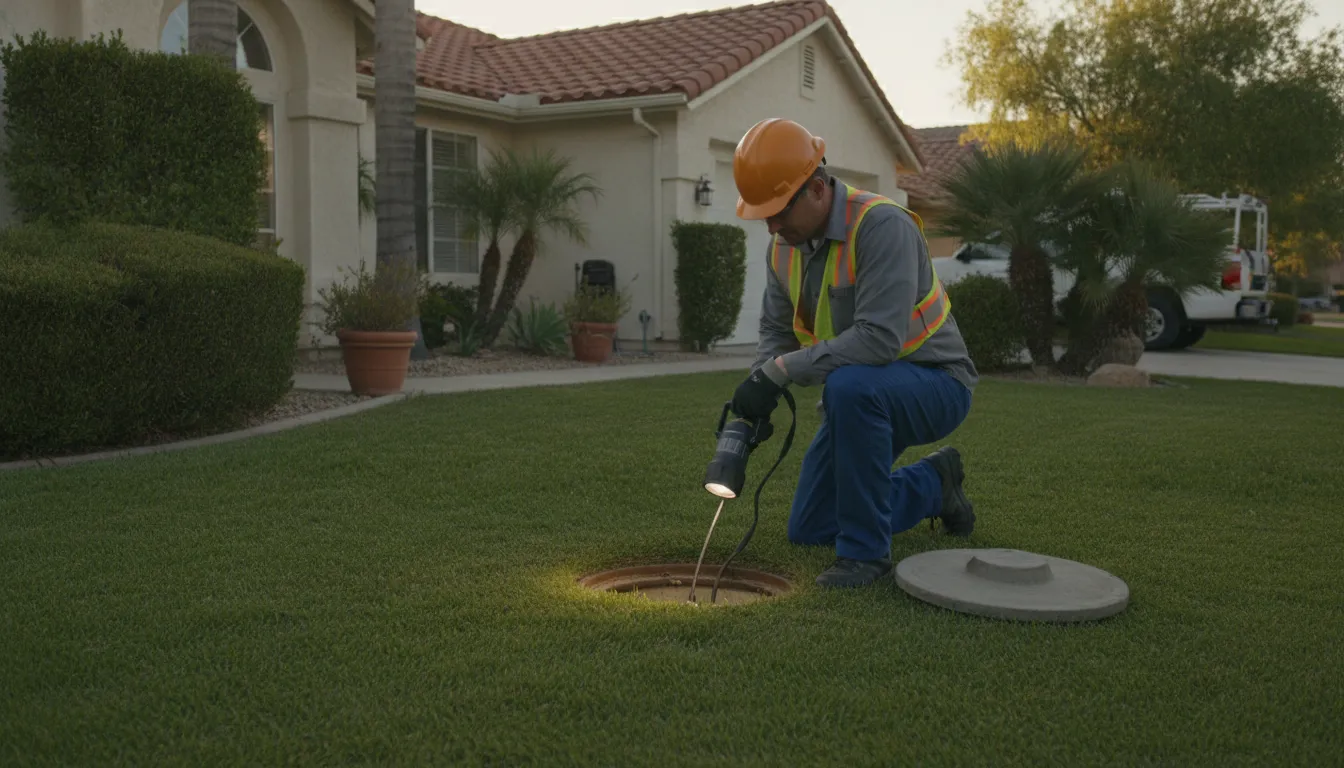
A sewer line inspection can use a camera to identify clogs, cracks, and other pipe damage before repair decisions are made. The findings help separate cleaning from repair, and a targeted repair from work on a larger section of line. That distinction matters because not every sewer issue requires full replacement.
What a camera inspection can reveal
During an inspection, the camera provides information about what is happening inside the line and where it is happening. It may show an obstruction, a crack, or another form of pipe damage. It can also help clarify whether the affected line is serving the property itself or whether the issue involves a connection farther downstream.
That information makes access planning more precise. If a technician knows the likely location of the defect. The repair plan can be based on the actual condition instead of broad excavation or an assumption about the cause. The property layout, available access points, and connection to the municipal system all help shape the next step.
Cleaning is not the same as repairing
Some blockages can be addressed through cleaning. High-pressure hydro jetting can remove grease, sludge, and debris from main sewer lines and may support preventative maintenance. However, cleaning does not correct a cracked or otherwise damaged pipe. If symptoms return after an obstruction is cleared, further diagnosis can help determine whether a structural repair is needed.
For a practical overview of symptoms that may call for closer attention, review these sewer cleaning warning signs. The goal is not to treat every recurring drain problem as a replacement project. It is to match the work to the condition found during evaluation.
Residential and commercial considerations
The basic diagnostic questions are similar for residential and commercial properties: where is the problem, what caused it, and what work will address it? The setting can change how access is coordinated. A home may require attention to household fixtures and private property access, while a commercial building may require planning around occupants, operating areas, and multiple connections. In either case, the sewer line serves as the route for wastewater leaving the property, so an accurate diagnosis supports a more orderly repair plan.
Starting with inspection gives the property owner a clearer basis for discussing cleaning, repair, or replacement. It also helps keep the scope connected to the observed condition rather than an unsupported assumption.
How Sewer Line Repair Works in Riverside and San Bernardino County
Sewer line repair is not a single preset job. The work can involve a residential property, a commercial site, a building lateral, or a connection to municipal sewer infrastructure. A practical process begins with understanding the property and ends with testing the completed work and restoring affected surfaces.
-
Evaluate the property and the sewer problem
The first step is an on-site evaluation. A plumber reviews the reported symptoms, the property layout, access points, and the location of the sewer line. This helps establish whether the work may involve a building lateral or another part of the private sewer system. Diamond House Plumbing provides residential and commercial sewer line repair and replacement, serving properties throughout Riverside and San Bernardino County. An evaluation is also the basis for an estimate that reflects the actual work scope rather than an assumed project.
-
Locate the affected section and the required access
Next, the repair team determines where work must take place and how the line can be reached. Sewer work may require trenching under existing structures or connecting a property system to municipal sewer infrastructure. Access planning matters because the line may run beneath a driveway, paved area, landscaped space, or part of a building. The goal is to define the work area before excavation or other repair activity begins, while accounting for the property’s use and surrounding conditions.
-
Select the appropriate repair or replacement path
Once the affected area and access requirements are understood, the plumber can identify the appropriate scope. That may mean repairing a damaged section, replacing a building lateral, or completing a broader sewer line replacement. The selected approach should match the observed condition and the connection involved. It should not assume that every sewer concern calls for the same solution. For a local property owner, this is the point to review the proposed work, access needs, and restoration expectations before the project begins.
-
Complete the sewer work with property care in mind
The crew then performs the approved work using professional equipment and practices appropriate to the site. Depending on the scope, this can include work on a building lateral, trenching, or a municipal connection. Diamond House Plumbing’s stated service standards include licensed plumbers, attention to local code compliance, professional equipment, and care for the property during underground work. For commercial properties, planning the work area and site access is especially important when normal operations continue around the repair.
-
Test the system and restore the work area
After the repair or replacement is complete, the system and the finished work area should be reviewed before the project is considered complete. Testing helps confirm that the repaired section is functioning as intended, while the final inspection checks the connection, surrounding work, and surface condition. Property care also includes surface restoration after underground work. If you are seeing recurring sewer problems or need to understand the next step, you can schedule a sewer line evaluation with Diamond House Plumbing.
Repair or Replacement: Which Sewer Solution Fits?
There is no single answer for every sewer line problem. A localized defect may be addressed without replacing an entire run, while widespread damage or a failed connection may require more extensive work. The right path depends on the pipe’s condition, the location and length of the affected section, access to the line, and how the work will affect the property.
A camera inspection and site evaluation help separate a maintenance issue from a structural repair. They also clarify whether the problem is in the building sewer, the lateral connecting the property to the public main, or another part of the system. That distinction matters for both residential properties and commercial sites where access, operations, and surface restoration must be planned carefully.
| Approach | When it may fit | Property considerations |
|---|---|---|
| Targeted repair | A limited crack, break, or damaged section is identified, while the rest of the line remains serviceable. | Work is focused on the affected area. The final method depends on pipe condition, access, and the location of the defect. |
| Lateral work | The building lateral, which connects the property to the public sewer main, needs repair or replacement. | Planning may involve the connection point, municipal requirements, structures, driveways, or other surfaces over the line. |
| Trenchless rehabilitation | The pipe and surrounding conditions are suitable for a method that uses existing openings or smaller insertion pits. | Compared with full excavation, trenchless work can reduce disturbance and restoration in appropriate conditions. It still requires careful evaluation and access planning. |
| Open-trench replacement | The existing pipe has extensive damage, or site conditions make direct excavation and replacement the practical solution. | Traditional dig-and-replace involves excavating along the pipeline, removing the existing pipe, and installing new pipe. Surface access and restoration become central parts of the plan. |
How the options are weighed
Trenchless rehabilitation is not automatically preferable, and open-trench work is not automatically excessive. Trenchless methods can use existing openings or smaller pits rather than excavation along the full pipe length. The U.S. Environmental Protection Agency notes that this can mean less disturbance and less restoration than traditional dig-and-replace methods. However, pipe condition, alignment, depth, access, and the intended rehabilitation method all affect feasibility.
Open-trench replacement may provide direct access to a damaged run and can be appropriate when the line has extensive deterioration or when other site conditions limit trenchless work. It can also require more coordination around landscaping, hard surfaces, structures, and connections. A focused repair may preserve more of the existing system when the damage is limited. But it should not be selected without confirming that nearby sections are suitable for continued service.
For a closer look at how site impact and restoration differ, review these trenchless sewer repair options. If the affected section is the building lateral, learn more about sewer lateral replacement. An evaluation gives the property owner a defensible repair plan instead of assuming that every sewer line issue calls for the same solution.
What Can Property Owners Do Before the Plumber Arrives?
When a sewer problem causes backed-up toilets, indoor flooding, or unpleasant odors. The safest first step is to reduce exposure and preserve useful information for the professional who will evaluate the line. An aging or damaged sewer line can produce several of these symptoms, but the visible problem does not identify the exact cause by itself. Avoid making repair decisions based only on what appears at one fixture.
Limit water use during a backup
Stop or sharply reduce activities that send more water into the drainage system. Pause laundry, dishwashing, showers, and other high-volume use until the situation has been assessed. Ask household members, tenants, or employees to follow the same guidance. If multiple fixtures are affected, continued water use can make the backup or overflow worse. Do not repeatedly flush a toilet that is already slow, rising, or unable to drain.
For a business or multi-unit property, identify which areas are affected and communicate the restriction clearly. Keeping water use low helps protect occupants and gives the plumber a more accurate starting point when evaluating the symptoms.
Keep people and pets away from wastewater
Block access to any area where wastewater has overflowed. Keep children, pets, tenants, and customers away from standing water or contaminated surfaces. Do not handle the water unnecessarily, and avoid moving furniture or belongings through it unless doing so is needed to prevent immediate damage. If the overflow is near electrical equipment, leave the area and alert the appropriate property manager or professional rather than entering it.
Follow the cleanup and safety guidance provided by qualified professionals after the source has been evaluated. The goal before arrival is containment and separation, not attempting to work on the line.
Document symptoms and prepare the property
Write down when the problem began, which fixtures are affected, whether the issue is recurring, and what happened immediately before the symptoms appeared. Note gurgling, slow drainage, odors, backups, or visible water. Photos or short videos can help document conditions that change before the appointment. Older Inland Empire homes may need closer attention to sewer clog prevention and warning signs, so information about previous incidents and maintenance can be useful.
Clear a safe path to affected fixtures, cleanouts, access points, and the area where the plumber may need to inspect. Gather any prior inspection reports or repair records. Ask what the inspection will cover, whether a camera inspection is appropriate, and how the findings will distinguish cleaning, targeted repair, lateral work, or replacement. A camera inspection can identify clogs, cracks, and other pipe damage before repair decisions are made. That evaluation-based process helps ensure the recommended next step matches the actual condition of the line.
How to Plan Sewer Line Repair for a Local Property
Planning sewer line repair involves more than identifying the damaged pipe. In Riverside and San Bernardino County, the work may affect driveways, landscaping, tenant access, parking areas, or a business’s daily operations. Start by identifying where technicians can enter the property and which areas may need to remain open. Residential owners should consider household access and pets. Commercial operators may need to coordinate with employees, customers, tenants, delivery schedules, and property managers.
Access planning is especially important when the sewer route passes beneath a structure, paved surface, or other improvement. Sewer work can include trenching under existing structures and connecting the property to municipal sewer infrastructure. An evaluation can help clarify the likely work area, the condition of the line. And whether the affected section is part of the building lateral or another portion of the system.
Coordinate the work before the repair begins
Ask what areas must be cleared, how access will be maintained, and what temporary measures may be needed while the work is underway. A Riverside commercial project completed by Diamond House Plumbing involved sewer repair and cleaning in a high-traffic setting, along with temporary restroom support intended to reduce operational disruption. The right plan depends on the property, the nature of the damage, and the needs of the people using the site.
Code considerations should also be addressed before work starts. Professional sewer line repair should account for local code compliance, appropriate equipment, and connections to existing infrastructure. Confirm who will handle any required coordination related to municipal connections or site conditions. These details help prevent avoidable delays and clarify the responsibilities included in the project scope.
Plan for property care and surface restoration
Discuss how the work area will be protected and how disturbed surfaces will be handled afterward. Depending on the repair method and location, restoration may involve soil, concrete, asphalt, landscaping, or other finished surfaces. Diamond House Plumbing identifies property care and surface restoration as part of its service standards. Ask what restoration is included, which existing conditions should be documented, and whether any specialty surfaces require separate coordination.
The practical next step is an on-site assessment rather than an assumption about the repair method. Diamond House Plumbing serves residential and commercial properties across Riverside and San Bernardino County and the Inland Empire. You can schedule a sewer line evaluation to discuss the observed problem, site access, code considerations, property protection, and the work scope. Estimates are based on the actual conditions found during the evaluation.
Frequently Asked Questions
How much does sewer line repair cost?
There is no reliable price without seeing the pipe and defining the work. The scope may involve cleaning, a targeted repair, lateral work, or replacement. Pipe condition, access, length, and surface restoration can all affect the plan. Diamond House Plumbing provides an estimate after an on-site evaluation, with pricing based on the actual scope.
Does homeowners insurance cover sewer line damage?
Coverage depends on your policy, the cause of the damage, and any endorsements or exclusions. Contact your insurer before assuming that repair or restoration will be covered, and ask what documentation they require. A plumbing evaluation can help identify the condition and location of the problem, but it does not determine insurance coverage.
Is sewer pipe relining worth considering?
Relining or another trenchless approach may be worth considering when the pipe condition, access points, layout, and local requirements make it suitable. Trenchless methods can use existing openings or smaller insertion pits instead of excavating the full pipe length, according to the EPA. An inspection should come before choosing a method.
Can I repair a sewer line myself?
Underground sewer work is not a safe trial-and-error project. Stop using affected fixtures, keep people and pets away from wastewater, and document symptoms and visible damage. A professional can use a camera inspection to identify clogs, cracks, or other pipe damage before recommending cleaning, repair, or replacement.
Ready to Plan Your Sewer Line Repair?
A clear evaluation can help identify the right next step for your Riverside or San Bernardino County property without assuming that every problem requires replacement. Schedule a sewer line evaluation with Diamond House Plumbing to discuss the observed issue and receive an estimate based on the actual work scope.

Leave a Reply