
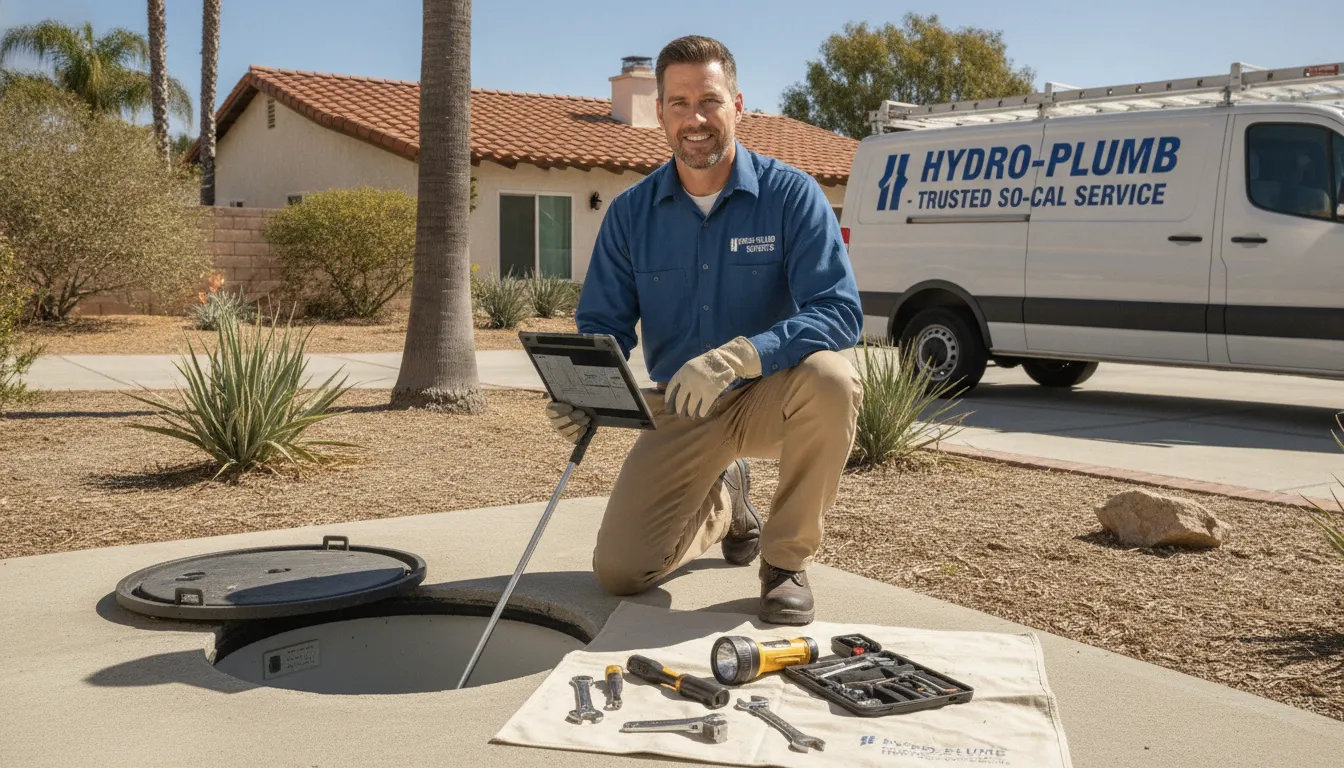
A slow drain or a wet patch of lawn can signal a major septic failure. Homeowners face a high-stakes choice between quick repairs and complete system overhauls. Making the wrong decision can cost thousands of dollars.
Schedule a professional septic inspection today to get a clear diagnosis and expert advice on whether repair or replacement is right for your home.
Septic system repair vs replacement is a major choice that depends on system age, the extent of the damage, and total repair costs. Minor issues like a broken baffle or a failed pump usually cost $500 to $5,000 to fix, making an expert repair the best path forward.
However, complete drain field failure or a cracked concrete tank that is over 50 years old will need a full, new system replacement. This major work can cost $15,000 to $35,000 or more, but it also provides your household with a fresh 30-year system lifespan. To find the right path for your own household situation, you can read our septic system repair vs replacement guide today.
Before you can choose between these two options, you must learn to recognize the warning signs your tank is sending. Knowing the Signs Your Septic System Needs Attention will help you catch small problems before they turn into emergencies. The diagnostic path begins with.
What Signs Indicate Your Septic System Needs Attention?
A septic system works underground and out of sight. Because of this, you may not see a problem until it becomes a big crisis. Property owners in Riverside and San Bernardino County must know what to look for to keep their homes safe. Spotting these issues early can help you decide between septic system repair vs replacement before costs get out of hand.
Common Warning Signs of Septic Failure
Your yard and plumbing will show clear signs of trouble when the system begins to fail. Homeowners should watch for six major signs of septic trouble:
- Slow drains: Sinks, tubs, and toilets that drain slowly often point to a clog in the main line or a full septic tank.
- Greener grass: Bright, lush green grass over your drain field means waste liquid is rising to the surface and acting as food for the lawn.
- Foul odors: Rotten egg or sewage smells around your tank or in your home are a strong sign of a leak or a backup.
- Water contamination: High levels of bacteria or nitrates in nearby wells can show that your system is not filtering wastewater well.
- Plumbing backups: Sewage backing up into your lowest household drains is a crisis that needs fast repair.
- Standing water: Puddles or damp mud forming near your tank or drain field show that the soil can no longer absorb water.
When you notice these symptoms, you must act quickly. Ignoring these signs that your septic system needs repair can lead to complete system collapse and high cleanup costs. A small leak or a simple clog is often easy to fix. Letting waste sit in your yard will ruin your soil and need a full replacement.
Preventing Issues with Routine Maintenance
Most septic system failures result from poor maintenance or bad design. You can prevent many of these problems by keeping a strict maintenance plan. The U.S. Environmental Protection Agency recommends that you have your tank pumped out every three to five years. Pumping removes solid waste before it can flow into your drain field and clog the soil pores. If you do not pump the tank, the solids will spill over and ruin the entire drainage area. Taking this simple step keeps your system working well and extends its lifespan.
Why Early Action Matters
Waiting to address septic issues only makes the problem worse. A minor pipe clog can quickly turn into a broken tank or a failed drain field. In the Inland Empire, hot weather can make sewage odors much stronger, which makes your yard hard to use. If you ignore the signs of failure, you risk polluting nearby water sources. An expert check will help you find the exact cause of the trouble. This is the first step to find out if your system needs a simple fix or a complete rebuild.
When Repair Is the Right Choice for Your Septic System
When you face septic issues, you must choose the best path forward. Choosing between septic system repair vs replacement depends on the health of your main parts. But a partial failure does not mean you must replace the whole system. If your tank and soil are still strong, simple repairs can save you money.
The Environmental Protection Agency notes that many septic system malfunctions stem from poor care or bad design. An expert check helps you know when to repair or replace your septic system. An expert will check the concrete walls and inspect the soil. If the main structure is still sound, you can avoid a full replacement.
Localized tank and part repairs
Many septic problems are tied to single parts inside the tank. A broken baffle guides sewage flow and keeps solid waste where it belongs. Fixing a broken baffle can cost between $800 and $1,500. If your system relies on a pump to move liquid waste, that pump can wear out.
To replace a failed pump costs about $800 to $2,500. You might also have a cracked lid or riser on top of your tank. These cracks let rain and dirt leak into the system. You can replace a cracked lid or riser for about $300 to $800.
If you notice plumbing issues, look for signs that your septic system needs repair before the damage spreads. Fixing these minor parts early keeps the entire system running smoothly for years. It also prevents raw sewage from backing up into your home. These quick fixes protect your home and your wallet.
Distribution box issues
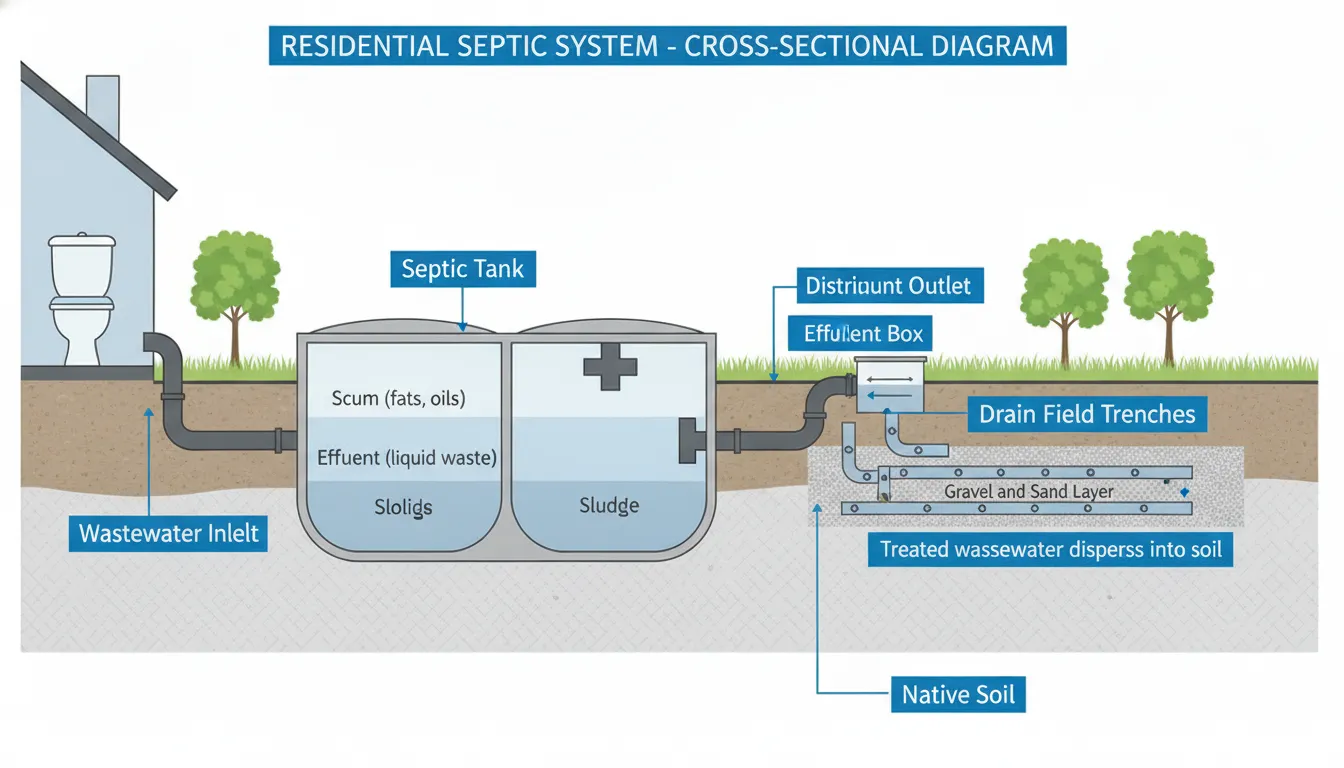
The distribution box splits the liquid waste and routes it to the drain field. Sometimes, this box shifts in the soil or gets clogged with sludge. This causes some pipes to receive too much liquid. Poor flow can lead to pooling water in your yard.
You do not need a new septic system for this issue. A skilled plumber can level, clean, or swap the box. To fix distribution box issues, you will pay about $1,200 to $3,000. This work protects your yard from poor waste flow.

Minor drain field treatment
A wet, smelly yard often points to drain field issues. This happens when soil gets clogged with waste solids. But a soggy yard does not mean you must dig up the whole lawn. If the soil clogging is minor, a skilled tech can use special treatments to restore drainage.
This process is called drain field treatment. It helps the soil absorb liquid waste once again. To treat minor wet soil, you will spend about $2,000 to $5,000. This simple option saves you from the huge cost of a full replacement.
When Does Septic System Replacement Become Necessary?
Many homeowners want to fix plumbing issues rather than buy a whole new setup. But there are times when a simple patch is no longer a smart choice for your budget. If your septic system is old or has major tank damage, replacing it is the only path forward. Replacing a failed system is a big expense up front, but it stops the endless cycle of costly repair bills.
Tank age and soil factors
Most home septic setups can last up to 30 years with proper care. Once a tank reaches this age, its core parts begin to break down. If you have an old concrete tank that is over 50 years old, it is highly likely to crack and crumble. For these older concrete systems, a full replacement is the safest, best choice.
Older systems were also built to different standards. Many of them have small tanks that cannot handle the water needs of a modern household. When your family grows or you use more water, an old tank will struggle. Replacing the tank gives you a larger system that meets current codes and prevents frequent backups.
Sometimes the ground itself makes a repair fail. Soil-based setups need the right type of earth to filter waste water safely. Poor soil, steep slopes, or a high water table can cause major issues. These soil and water conditions often trigger hydraulic failures that flood the ground. When the land cannot handle the waste, you must put in a new, modern system designed for your site.
Drain field failure costs
The drain field is the most vital part of your home waste water setup. When it fails, water can back up into your home or pool in your yard. A partial failure of the field might only need a partial replacement. This partial work usually costs between $5,000 and $12,000, based on the size of the area that needs work.
A complete drain field failure is a much larger issue. In this case, the soil can no longer absorb any water. A full replacement of the drain field will cost between $10,000 and $25,000. When facing these high costs, comparing septic system repair vs replacement shows that a new system is often the best long-term investment.
While these replacement costs are high, they end the need for constant service visits. Repeated repairs on a failing system can easily add up to thousands of dollars over just a few years. A new system gives you peace of mind and raises your home value. Investing in a new system now protects your property from future backups.
Septic System Repair vs Replacement: A Cost Comparison
Comparing Overall Costs
When you look at septic system repair vs replacement, the path you take depends on the damage. Simple fixes often cost about $500 to $5,000. But if you must build a new system, the price is much higher. A full setup can cost $15,000 to $35,000 or more.
These prices vary based on your local area and the tank size. In Southern California, soil conditions also play a big role in system costs. Homeowners who plan ahead can avoid high costs by catching issues early.
Some property owners think they must replace the whole system at the first sign of trouble. That is not always true. Often, a quick part swap can get the system back in shape. It is key to know what parts fail and what those fixes will cost.
Detailed Cost Breakdown
The U.S. Environmental Protection Agency (EPA) notes that most septic problems stem from poor care or bad layout design. This means regular inspections can save you from big replacement costs. If a part fails, you should act fast to keep the cost low. Knowing the typical cost of each job helps you plan your home budget.
| Job Type | Approach | Price Range |
|---|---|---|
| Baffle repair | System Repair | $800 – $1,500 |
| Pump replacement | System Repair | $800 – $2,500 |
| Cracked lid or riser | System Repair | $300 – $800 |
| Distribution box | System Repair | $1,200 – $3,000 |
| Drain field remediation | System Repair | $2,000 – $5,000 |
| Partial field replacement | System Replacement | $5,000 – $12,000 |
| Complete field replacement | System Replacement | $10,000 – $25,000 |
| Full system replacement | System Replacement | $15,000 – $35,000+ |
Long Term Cost Decisions
As the table shows, small repairs cost much less than a full replacement. Fixing a baffle or swapping a pump can solve your issues. But if your soil has poor drainage or the field has failed, you may need a new setup. A partial field replacement will cost $5,000 to $12,000, while a full field replacement can go up to $25,000.
A bad drain field cannot process waste water safely. When this happens, local rules require you to upgrade the system. This prevents water pollution and protects your yard. While the upfront price is high, a new field lasts for decades.
To make the best choice, you must weigh today’s cost against future years of use. A simple fix is great if the tank is in good shape. But if the tank is old and weak, putting money into repairs is just a short fix. Our team can help you check your system to find the best option for your home.
An expert septic check is the first step to take. A certified technician can run tests to see if the tank has structural cracks. They can also test how well the soil drains water. With a clear report, you can make a smart choice that keeps your home safe and saves you money over time.
What Factors Influence Your Repair or Replacement Decision?
The age of your septic system is a major factor in the choice between fixing the parts or replacing the whole setup. On average, a standard home septic system can last up to three decades if it receives proper care. If your system is close to thirty years old and starts to fail, a full replacement is often the smartest choice. Investing in big repairs for an old system may only delay the end of its life.
System Age and Past Maintenance
Your past maintenance habits and service records also play a key role. According to the United States Environmental Protection Agency (EPA), most septic system malfunctions stem from poor upkeep or bad design. If you have not cared for your tank over the years, simple repairs might not save a ruined drain field. When choosing septic maintenance vs repair, you must weigh the cost of ongoing fixes against starting fresh.
Soil Types and Property Slope
The physical land around your home shapes how well your septic system works. Soil-based designs rely on the ground to filter wastewater, but bad land can cause severe issues. In fact, inappropriate soils, steep slopes, or high groundwater tables can cause hydraulic failures. When these natural land factors work against you, a simple repair is rarely enough to fix the system.
In these tough cases, you may need a new, redesigned system to meet safety standards. If your soil cannot soak up water, it will cause sewage backups and standing pools on your grass. When facing these deep troubles, the choice of septic system repair vs replacement shifts toward replacement. A redesigned tank stops messy leaks and keeps your local drinking water clean.
Household Size and Daily Water Use
The size of your home and your daily water habits place a constant load on your septic system. A larger family makes more wastewater, which fills the tank much faster. The EPA notes that how often you pump depends heavily on the number of people in your home and your water use. If your family has grown, your current tank may simply be too small to handle the demand.
When your system is overloaded, repairs to a small tank will not solve the real issue. In this case, you should upgrade to a larger tank that matches your true household needs. But if your tank is the right size, you can extend its life by using simple water habits. Being careful with water will lower the strain on your system and stop future breakdowns.
The Importance of Professional Septic System Inspection
Homeowners face a tough choice when a septic system shows signs of distress. Deciding on septic system repair vs replacement is not something you should do by guessing. A professional septic system inspection is the only way to get a clear look at what is happening beneath your lawn. An expert can find hidden issues before they turn into major system failures. This process gives you the facts you need to make a smart choice for your home and your budget.
How Regular Inspections Protect Your System
To keep your septic system working well, you must check its health often. The U.S. Environmental Protection Agency recommends that you inspect your entire system every one to three years. This routine check helps find small issues before they become big, expensive problems. For instance, an inspector can check your tank walls, baffles, and pumps to make sure they work. Catching a cracked lid or a failing pump early can save you thousands of dollars.
Routine maintenance and routine care do more than just find failures. They also reduce the load on your system and add to its overall life. Over time, grease and solid waste build up inside the tank. If you do not pump them out, they will clog the soil in your drain field. Consulting an expert will help you know when to repair or replace your septic system based on real facts. This simple step can add years of life to your current setup.
Preventing Health and Safety Hazards
A failed septic system is more than just a big hassle. It can also pose grave health and safety risks to your home and family. If sewage backs up into your plumbing fixtures, you must avoid any contact with the waste. Sewage contains harmful pathogens that can cause severe illness. The EPA advises that you contact your local health department or regulatory agency right away if this happens.
Cleaning up after a backup requires great care and proper gear. Anyone who cleans up sewage must wear tough clothing to stay safe. You must disinfect all flooded areas with a mixture of ten percent household bleach and ninety percent water. After cleaning, you should dry the area fully. Do not use the space again until it has been dry for at least twenty-four hours to prevent mold and bacteria from growing.
Leaving system issues can also cause damage beyond your house. When a septic system fails, raw waste can pool in your yard or leak into the ground. This failure can contaminate nearby water sources and ruin local wells. By scheduling regular inspections, you prevent these hazards and protect both your family and your local ecosystem.
Finding Qualified Onsite System Professionals
Checking a septic system needs professional training and tools. You do not have to search for local help blindly. The EPA has online searchable databases of installers and service providers to help you find a professional in your area. Homeowners in Riverside and San Bernardino County can also rely on trusted local specialists. Working with a licensed team ensures you receive honest advice on septic system repair vs replacement. A true local expert will help you make a safe, long-term choice that keeps your home running smoothly.
Frequently Asked Questions
Is it better to repair or replace a septic system?
According to the EPA, many system failures stem from poor maintenance or bad design. If the damage is small, simple repairs often work. If the main parts are old or broken, you will need to replace the system. An expert inspection can help you choose the best option.
What is the average cost to repair a septic system?
Most septic system repairs cost between $500 and $5,000, according to data from ATS Environmental. The price depends on which part fails. For example, fixing a cracked tank lid or riser costs about $300 to $800. Replacing a broken pump can cost between $800 and $2,500.
How long does a septic system usually last?
A properly maintained septic system can last up to 30 years, according to HouseMaster. To reach this lifespan, you must pump the tank on a regular basis. The EPA recommends pumping the system every three to five years to stop solids from clogging your drain field.
Can a failed drain field be repaired?
It depends on the depth of the damage. Minor drain field wetness can sometimes be fixed with professional treatment. This process usually costs about $2,000 to $5,000, according to ATS Environmental. However, a full drain field failure needs a complete replacement, which can cost up to $25,000.
Ready to Schedule a Professional Septic Inspection?
Waiting to fix septic problems can lead to sewage backups, ruined yards, and high replacement costs. When you delay repairs, you risk complete drain field failure and foul leaks in your yard. An expert inspection now stops small issues from turning into major failures that require digging up your entire lawn. Our skilled team of local plumbers will find the root cause of the trouble and provide a clear, honest plan of action. We serve home and business owners across Riverside and San Bernardino Counties. Taking action today protects your home, keeps your drinking water safe, and saves you from major cleanup bills.
Ready to protect your property and ensure your septic system runs smoothly? Contact Diamond House Plumbing today to schedule a professional septic system inspection.
Leave a Reply