
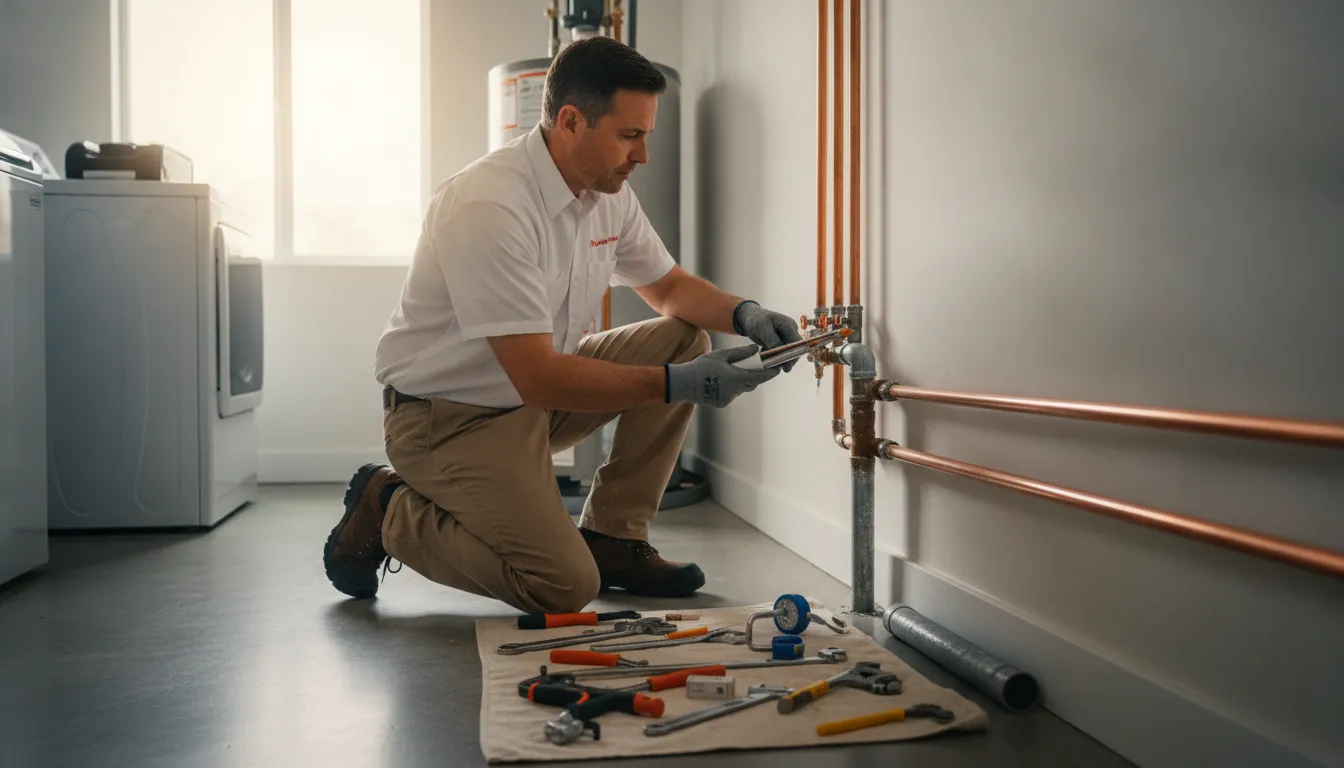
Plumbing pipe replacement is the process of removing a damaged, corroded, outdated, or incorrectly sized pipe and installing a new section or system. It can involve one accessible pipe, a group of connected lines, a main water line, or a whole-home repipe. For property owners in Riverside and San Bernardino County, the right scope depends on the problem’s location, its cause, the condition of nearby pipes, and how the plumbing serves the property.
Ready to discuss a suspected pipe problem? Call Diamond House Plumbing at 800-674-9440 or use the online contact form.
When does plumbing pipe replacement make sense?
Replacement is usually considered when a pipe cannot be reliably repaired, when repeated repairs no longer address the underlying problem, or when the pipe material and condition create a broader risk. A plumber should evaluate the affected line before recommending a replacement. A visible leak does not always identify the full source, and replacing a short section may not solve a system-wide issue.
Replacement may be appropriate when a pipe has extensive corrosion, cracks, severe scaling, recurring pinhole leaks, contamination concerns, or damage from shifting soil, roots, freezing, pressure, or prior work. It may also be considered during a remodel when existing lines cannot support the planned fixtures or when access to old piping will be limited after construction.
What are the warning signs of failing plumbing pipes?
Some pipe problems are obvious, while others develop behind walls, under floors, in crawlspaces, or below the property. Watch for patterns rather than relying on one symptom.
- Recurring leaks: A second or third leak in the same area can indicate that the surrounding pipe is deteriorating.
- Discolored water: Rust-colored or unusual water may point to corrosion, disturbed sediment, or another water-quality issue that needs diagnosis.
- Unexplained stains or damp areas: Bubbling paint, warped cabinets, musty odors, or persistently wet soil can signal a concealed leak.
- Reduced water pressure: A property-wide pressure change may involve the supply line, a pressure regulator, or restricted pipes. It should be tested before replacement is selected.
- Noisy pipes: Banging, whistling, or vibration can have several causes, including loose supports, trapped air, high pressure, or a failing valve.
- Slow fixtures throughout the property: If multiple fixtures are affected, the issue may be farther upstream than a single drain or faucet.
- Visible corrosion or bulging: Exposed pipe that is heavily rusted, pitted, swollen, or cracked deserves prompt professional attention.
Emergency symptoms deserve faster action. Shut off the nearest safe water supply if water is actively escaping, protect electrical equipment from contact with water, and contact a qualified plumber. Do not assume a temporary reduction in leaking means the pipe is safe to leave in service.
Which plumbing pipes may need replacement?
Pipe replacement decisions depend on the pipe’s location, material, age, condition, and function. Common categories include:
- Interior water supply pipes: These deliver hot or cold water to fixtures and appliances. A localized repair may be suitable when the surrounding system is sound, while widespread failures can point to a repipe project.
- Main water lines: The buried supply line between the street-side meter and the property shut-off has different access, responsibility, and restoration considerations. Diamond House Plumbing’s main water line repair guide covers that narrower scope.
- Drain and waste piping: Repeated backups, breaks, or structural damage may require replacement of a drain section or a larger sewer-related project. A sewer line or lateral should not be treated as the same project as interior water pipe replacement.
- Gas piping: Suspected gas leaks require immediate safety action and a properly qualified evaluation. Do not use a general water-pipe checklist to decide what to do with gas piping.
Pipe material is only one part of the decision. Copper, galvanized steel, CPVC, PEX, cast iron, clay, and other materials have different installation requirements and may be used in different parts of a property. The appropriate replacement material must fit the application, existing connections, local requirements, water conditions, and the planned service life. The goal is a safe, code-conscious installation, not a material choice made from a generic list.
How does a plumber diagnose a pipe replacement need?
A professional assessment starts by identifying the symptom and tracing the affected plumbing. Depending on the situation, the plumber may:
- Ask when the problem started, whether it is recurring, and which fixtures or areas are affected.
- Inspect visible pipes, shut-off valves, fixtures, crawlspaces, cabinets, ceilings, and accessible connections.
- Check pressure, flow, meter behavior, or other operating conditions that can narrow the source.
- Use targeted leak detection or inspection methods when the pipe is concealed or underground.
- Compare the condition of the failed section with nearby piping and identify whether the issue is isolated or widespread.
- Discuss repair, partial replacement, rerouting, or whole-home repiping based on the evidence and the property’s priorities.
This diagnosis also helps separate plumbing pipe replacement from other services. For example, a blockage may need drain cleaning, a buried supply issue may belong to the main water line, and a sewer lateral problem may require a different inspection and repair plan. Clear scope prevents an owner from planning the wrong type of work.
Should you repair one section or replace more of the plumbing?
A partial replacement can make sense when the failed section is clearly isolated, accessible, and connected to piping in good condition. It may also be the practical choice when the immediate objective is to stop an active leak and the rest of the system has been evaluated.
A broader replacement may deserve consideration when leaks recur, several materials or connections fail, corrosion is widespread, access will soon be closed, or the property has a history of repeated pipe repairs. Whole-home repiping is a distinct project, and owners should ask what areas are included, how fixtures will be protected, how water service will be managed, and what restoration is part of the plan. For a material-focused discussion, see Diamond House Plumbing’s guide to the benefits of PEX pipe for repiping. It should support the conversation, not replace a property-specific evaluation.
Use the following framework to organize the conversation with a plumber. It is not a substitute for inspecting the affected system, because the same symptom can come from different parts of a property’s plumbing.
| Situation. | Possible scope. | What to confirm. |
|---|---|---|
| One accessible leak. | Localized repair or section replacement. | Condition of nearby pipe and fittings. |
| Repeated failures in one area. | Broader section replacement. | Whether the pattern extends beyond the latest leak. |
| Several fixtures or branches affected. | Reroute or larger repipe review. | Which lines share the symptom and how access will work. |
| Buried supply or sewer issue. | Main water line or sewer project. | Exact line, responsibility, access, testing, and restoration. |
What happens during a plumbing pipe replacement?
The exact sequence varies by location and scope, but a well-planned replacement commonly includes these stages:
- Define the work area. The plumber confirms the affected pipe, access route, fixtures involved, and expected limits of the work.
- Plan shutoffs and protection: Water service is isolated as needed, and the work area is protected before access begins.
- Open only what is necessary: Walls, cabinets, flooring, soil, or other surfaces may require access. The access method depends on where the pipe is located.
- Remove the failed section: The damaged pipe and unsuitable fittings are removed while connected systems are protected.
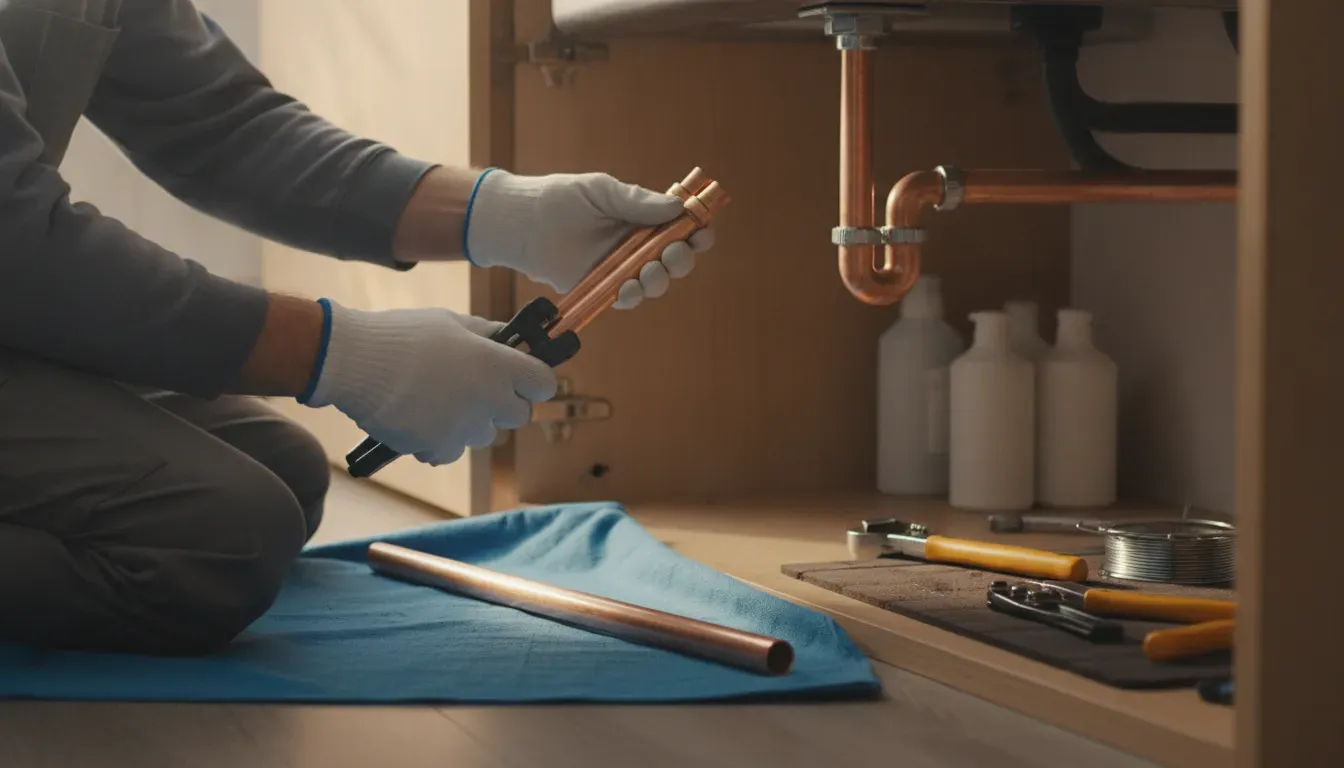
- Install and support the replacement: New pipe, fittings, valves, and supports are selected for the application and installed according to applicable requirements.
- Test the work: The system is checked for leaks, flow, pressure, drainage, or other relevant performance concerns before the area is closed.
- Restore the work area: The owner and plumber clarify what surface restoration is included and what may require a separate trade.
How should Inland Empire property owners plan for replacement?
Homes and businesses across Riverside and San Bernardino County can have very different construction, access, soil, and plumbing conditions. A replacement plan should account for the property’s layout and how the work will affect daily use.
- Identify the priority: Is the goal to stop an active leak, prevent repeated failures, improve service to fixtures, or address a larger system condition?
- Plan for access: Ask where the plumber expects to work and whether cabinets, drywall, flooring, landscaping, paving, or other surfaces may be affected.
- Discuss water-service interruptions: Confirm which fixtures or business operations may be unavailable and how the work will be sequenced.
- Clarify testing and restoration: Ask how the completed work will be tested and which restoration steps are included in the scope.
- Account for local requirements: The installation may involve jurisdiction-specific requirements, inspections, or coordination with a utility or property manager.
- Document the work: Keep the scope, installed material, accessible shut-off locations, and any maintenance recommendations with the property records.
Commercial properties may need additional planning to limit disruption to tenants, customers, employees, equipment, or scheduled operations. A residential property may instead focus on protecting finished spaces and coordinating access around the household. In both cases, a clear scope is more useful than a one-size-fits-all promise.
Have questions about repair versus replacement? Diamond House Plumbing can evaluate the situation, explain the practical options, and help you plan the next step. Call 800-674-9440 or use the online contact form.
How can you reduce future pipe problems?
Maintenance cannot prevent every failure, but it can help owners find problems earlier and make future service easier. Know where the main shut-off and key fixture shut-offs are located. Pay attention to changes in pressure, water color, dampness, unusual sounds, and water use. Address small leaks before they damage nearby materials or conceal a larger issue.
For drinking-water concerns in older properties, the US Environmental Protection Agency’s lead-in-drinking-water guidance explains why plumbing materials and corrosion matter and why testing is important. Do not make a health or water-quality decision based only on pipe appearance. Use appropriate testing and professional guidance for the property and concern.
Frequently asked questions about plumbing pipe replacement
How do I know if a pipe needs replacement?
Replacement may be appropriate when a pipe has extensive corrosion, repeated failures, structural damage, or a condition that a localized repair cannot reliably address. A plumber should inspect the affected system before deciding how much pipe to replace.
Can one section of plumbing pipe be replaced?
Yes, a partial replacement can be suitable when the failed section is isolated and nearby piping is in good condition. The plumber should also check connected areas so the repair does not overlook a broader pattern of failure.
Is plumbing pipe replacement the same as repiping a house?
No. A pipe replacement can describe one section or a defined part of a system. Repiping generally refers to replacing a larger network of interior supply piping. The scope should be defined by the property’s condition and the work plan.
Does plumbing pipe replacement always require opening walls?
Not always. Some pipes are accessible in cabinets, crawlspaces, utility areas, or exposed ceilings. Concealed pipes may require a planned access opening, and buried lines may require excavation or another access method.
How long does a plumbing pipe replacement project take?
Timing depends on the pipe location, the size of the affected area, access, permitting or inspection needs, material availability, and restoration. A plumber can provide a more useful schedule after evaluating the property.
What should I do if a pipe is actively leaking?
Shut off the nearest safe water supply if you can do so without risk, move belongings away from the water, and contact a plumber. If water is near electrical equipment, treat the situation as a safety concern and avoid contact with energized equipment.
Plan the right replacement scope
Plumbing pipe replacement is not one universal repair. The best approach matches the location, failure pattern, pipe function, access, and property needs. A careful diagnosis can help determine whether the next step is a targeted repair, partial replacement, main water line service, sewer work, or a broader repipe.
Contact Diamond House Plumbing at 800-674-9440 or use the online contact form to discuss plumbing pipe replacement for your Riverside or San Bernardino County property.

Leave a Reply