
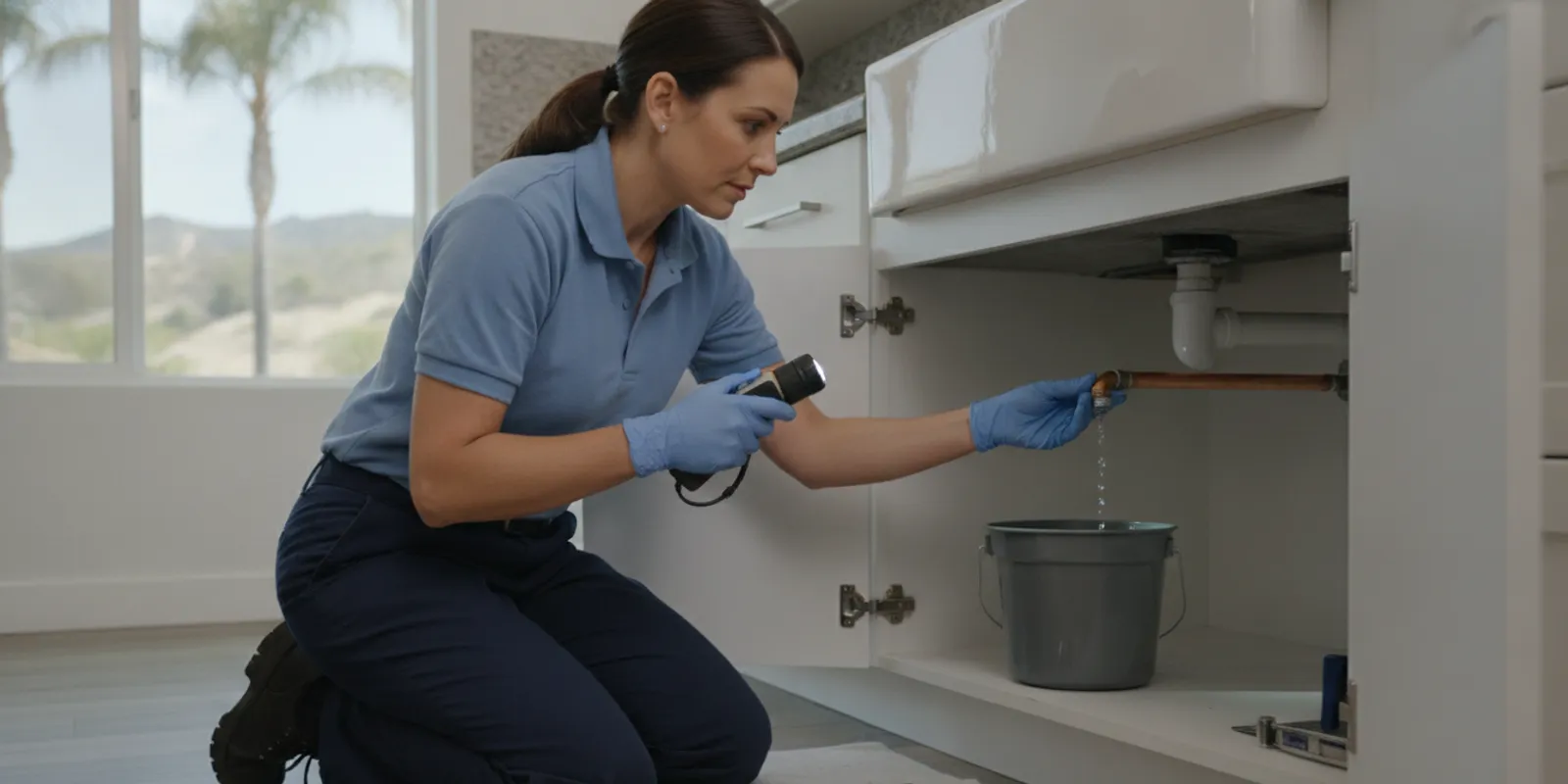
A small drip can be easy to dismiss, but water that keeps returning can damage cabinets, flooring, walls, or other building materials. A plumber for water leaks can help determine whether the source is an exposed supply line, fixture connection, drain, or less visible pipe. Knowing what to observe—and when to stop using water—helps you describe the problem clearly and choose a sensible next step.
Contact Diamond House Plumbing about a leak
When should you call a plumber for water leaks?
Arrange professional help when water continues to appear after you dry the area, the source is unclear, or the leak is hard to reach. A plumber can inspect accessible plumbing and determine whether the repair involves a fixture, connection, supply pipe, or drain. Prompt attention matters when water is spreading, returning repeatedly, or reaching a wall, ceiling, floor, electrical equipment, or stored belongings.
Call sooner if you see a steady flow or spray, hear water moving while fixtures are off, or notice a new wet patch without an obvious spill. A slow drip may not look urgent, but repeated moisture can affect surfaces and conceal a larger issue. Avoid waiting for a stain to grow before asking for help, especially if you cannot safely isolate the water.
Use a fixture or branch-line shutoff only if you can identify it and operate it safely. If water keeps flowing or you cannot isolate it, use the home’s main shutoff if you know its location and can reach it safely. Keep clear of wet electrical equipment. The U.S. Consumer Product Safety Commission provides consumer safety information; do not approach electrical devices or wiring in a wet area. If you rent, notify the property manager as well as arranging appropriate help.
Which leak signs need prompt attention?
Some leaks are obvious, such as water spraying from a split pipe. Others appear as recurring dampness or changes in how plumbing fixtures behave. Note these signs and tell the plumber what you observed:
- Water reappears after you dry a pipe, cabinet, or floor.
- A visible pipe, valve, connector, or fixture is dripping or spraying.
- A ceiling develops a wet patch, stain, or sagging area.
- Flooring, baseboards, or a cabinet becomes damp without a spill.
- You hear water running when fixtures are off, or notice an unexplained change in water use.
- A leak returns after a temporary measure or after a fixture is used.
- Musty odors or changes to a surface accompany recurring moisture.
These clues do not prove where the leak is. Water can travel along framing, pipe surfaces, or flooring before it becomes visible. A wet spot can therefore be some distance from the actual opening. Keep the affected area under observation, but do not open walls or dismantle plumbing to chase a suspected source. A safe, clear description is more useful than an improvised diagnosis.
What should you do before the plumber arrives?
Focus on safety, limiting water flow, and preserving useful information. You do not need to diagnose the plumbing system yourself. The steps below can help reduce confusion and make the service visit more productive.
- Stop or reduce the water flow. Close a fixture or accessible local shutoff if it is safe and you know which one controls the leak. If that does not work, shut off the main supply only if you can do so safely. Do not force a stuck valve; tell the plumber that it would not turn.
- Keep people clear of hazards. Avoid standing water around electrical equipment, cords, outlets, or appliances. Do not touch wet electrical equipment. If there is an immediate electrical danger, stay out of the area and contact the appropriate emergency or utility professionals.
- Move belongings if it is safe. Protect items that can be moved without stepping into unsafe water or disturbing electrical equipment. Do not climb onto a wet surface or move heavy items that could cause an injury.
- Contain a small accessible drip. A bucket or absorbent towels can limit mess around a minor drip. Do not create a trip hazard, conceal spreading water, or place a container where it could overflow unnoticed.
- Take clear photos from a safe position. Capture the visible water, nearby fixture or pipe, and the broader room. Do not remove panels or reach into an unsafe space to get a picture. A time-stamped photo can show whether the wet area has grown.
- Record timing and pattern. Note when you first saw water, whether it changes when a fixture runs, and whether it continues after you shut off a fixture or valve. Avoid repeatedly testing a fixture if doing so makes water spread.
- Share relevant history. Mention a previous leak, recent plumbing work, or any temporary measure already tried. If you rent or manage a property, keep the responsible person informed.
For a visibly split or burst pipe, the water leak plumber guide covers immediate considerations and information that may help you prepare. Limiting water is a temporary step, not confirmation that the pipe has been repaired. If the leak is active, explain what is happening when you request service.
How does a plumber evaluate a water leak?
The evaluation starts with the symptoms and the plumbing that can be safely accessed. Expect questions about where water appears, when it started, whether it changes with fixture use, and what steps you have already taken. A plumber may inspect visible piping, shutoff valves, fixture connections, and nearby surfaces, then investigate further if the source is concealed.
Different leak locations can produce similar symptoms. A damp cabinet might involve a faucet connection, supply hose, drain fitting, or water that traveled from elsewhere. A ceiling mark could relate to plumbing above it, but the stain alone does not identify the source. The inspection should distinguish visible damage from the suspected cause before a repair plan is discussed.
For example, if a cabinet floor becomes damp only after the sink drains, the timing is worth reporting. It may direct attention toward a drain component, but it does not establish that the drain is the cause. If moisture returns while the sink is unused, a different portion of the plumbing may need consideration. The plumber combines the pattern with what can be observed and tested safely.
Useful questions to ask during the visit include:
- What is the likely source, and what evidence supports that conclusion?
- Is the affected pipe or fitting visible, or does it require further investigation?
- What repair options fit the condition found?
- Will the proposed work require access through a cabinet, wall, ceiling, or floor?
- Is the work intended to address one failed connection or a wider section of piping?
- What should be monitored after the repair, and what would mean follow-up is needed?
For leaking pipes that may need repair or replacement, see the company’s residential plumbing information. If the leak involves a drain rather than a pressurized supply line, review the drain and sewer service information. These pages give context for the service areas; the cause and repair scope still depend on the actual inspection.
What can the leak location tell you?
The location offers a starting point, not a definitive diagnosis. A leak below a sink can appear around supply lines, shutoff valves, faucet connections, or drain components. Water near a toilet may involve its supply connection, tank components, or base area. A leak in a ceiling or behind a wall is less accessible and can require careful tracing before a pipe can be reached.
Timing can also help narrow the questions for an inspection. If water appears only while a particular fixture is running, report which fixture and what operation seems to trigger it. If dampness continues while fixtures are off, say so. These patterns help guide investigation, but they are not enough on their own to confirm a cause or justify opening a wall.
A leak beneath a slab or within a concealed space may need a different evaluation from a visible drip under a sink. If you notice warm or damp flooring, an unexplained wet area, or other signs that suggest a concealed pipe, describe exactly where and when you noticed them. The slab leak repair guide explains why hidden leaks call for source evaluation rather than a guess based on the surface mark alone.
How do repair paths differ?
The right approach depends on what the inspection finds: pipe material and condition, the point of failure, accessibility, and whether the problem appears limited to one connection or extends beyond it. This comparison describes possible evaluation paths, not a diagnosis or quote.
| Observed situation | Possible focus of evaluation | Practical next step |
|---|---|---|
| Drip at an exposed fixture connection | Connection, shutoff valve, hose, or fixture component | Limit use of the affected fixture if needed and arrange inspection. |
| Water from a visible pipe | Pipe material, opening, nearby joints, and water flow | Isolate water safely and describe whether the flow is steady or intermittent. |
| Recurring dampness with no visible source | Concealed plumbing and the path water may be taking | Record when dampness returns and request source evaluation before surface repair. |
| Leak appears when a fixture or drain is used | Fixture connections or drain components associated with that use | Limit use and tell the plumber exactly what activity precedes the leak. |
| Ceiling stain or water near electrical equipment | Potential concealed source and immediate safety concerns | Keep clear of electrical hazards, limit water if safe, and seek prompt guidance. |
| Repeated leaks in several places | Whether there is a broader piping or system condition | Share the location and history of each leak before discussing repair scope. |
A single dripping fitting and recurring leaks across multiple areas are not the same service question. The inspection may show that a localized repair is appropriate, or that broader piping condition should be discussed. Ask what evidence supports the suggested scope and what remains uncertain. If a larger repiping conversation is warranted, the whole-home repipe information can help you understand the service context, but it does not replace an assessment of your property.
How should you compare the repair plan and estimate?
Before authorizing work, make sure you understand what the proposed repair is meant to address. Ask whether the estimate covers locating the source, accessing the pipe, making the repair, and checking the area afterward. Those are separate parts of the work, and the answer may depend on whether the pipe is visible or concealed. Ask what is excluded or may require another decision once access is opened.
It can help to compare proposals by scope rather than only by the final number. One proposal might describe a fitting replacement, while another includes additional access or pipe work. Ask each provider to explain the condition found, the repair boundary, and any assumptions. If the source is not yet confirmed, ask what investigation is proposed before comparing repair costs. A cost guide such as water leak repair cost factors can help frame the variables, but no general article can determine the charge for a particular property.
For a hidden leak, clarify whether surface restoration is part of the plumbing work or handled separately. Plumbing repairs and repairs to drywall, paint, flooring, or cabinetry may involve different work. Confirm what will be left open, what will be tested, and what signs should prompt a follow-up. Clear expectations help you make an informed choice without treating a stain or a temporary reduction in water as proof that the underlying issue is resolved.
How can you avoid repeat problems?
After the leak is addressed, follow the plumber’s instructions for monitoring the area and restoring fixture use. A dry surface immediately after a repair is encouraging, but building materials can retain moisture. Follow any guidance about when to recheck, what to look for, or whether additional work is recommended. If moisture returns, document it and contact the service provider rather than covering the area or assuming the original source was the only issue.
Keep a simple record of the repair date, the location, and what was changed. If another damp spot appears, that record can help distinguish a repeat symptom from a separate leak. Avoid putting off a follow-up when water returns, especially if the wet area is expanding or the source remains uncertain. For broader questions about residential plumbing work, Diamond House Plumbing’s plumbing service overview describes its residential and commercial plumbing services.
Frequently asked questions
Can a small water leak wait?
A drip that stops and does not return may be less urgent than active water flow, but recurring moisture still needs a source check. If water spreads, reaches building materials, or is difficult to isolate, arrange service promptly. If you are unsure whether a wet area is growing, take a safe photo and note the time so you can describe the change.
Should I shut off the water before contacting a plumber?
If you can safely identify and operate the correct shutoff, reducing flow can limit further water release. Do not force a valve or enter an unsafe area. Tell the plumber what you shut off and whether water continued afterward; that detail can help frame the initial evaluation.
Does a stain show exactly where the pipe is leaking?
No. Water can travel before it becomes visible, so the stain may not be directly below the source. Photos, the timing of the water, and whether it changes with fixture use can help guide an inspection, but they do not prove where a pipe has failed.
What information should I give the plumber?
Share the location, when you first noticed water, whether a fixture was in use, how quickly it returns after drying, and what shutoff steps you took. Mention previous leaks or repairs in the same area, and whether the visible dampness has spread.
Arrange professional leak service
When water keeps returning, spreads beyond an accessible fixture, or has no clear source, a prompt inspection can help identify the cause and guide a practical repair decision.

Leave a Reply