
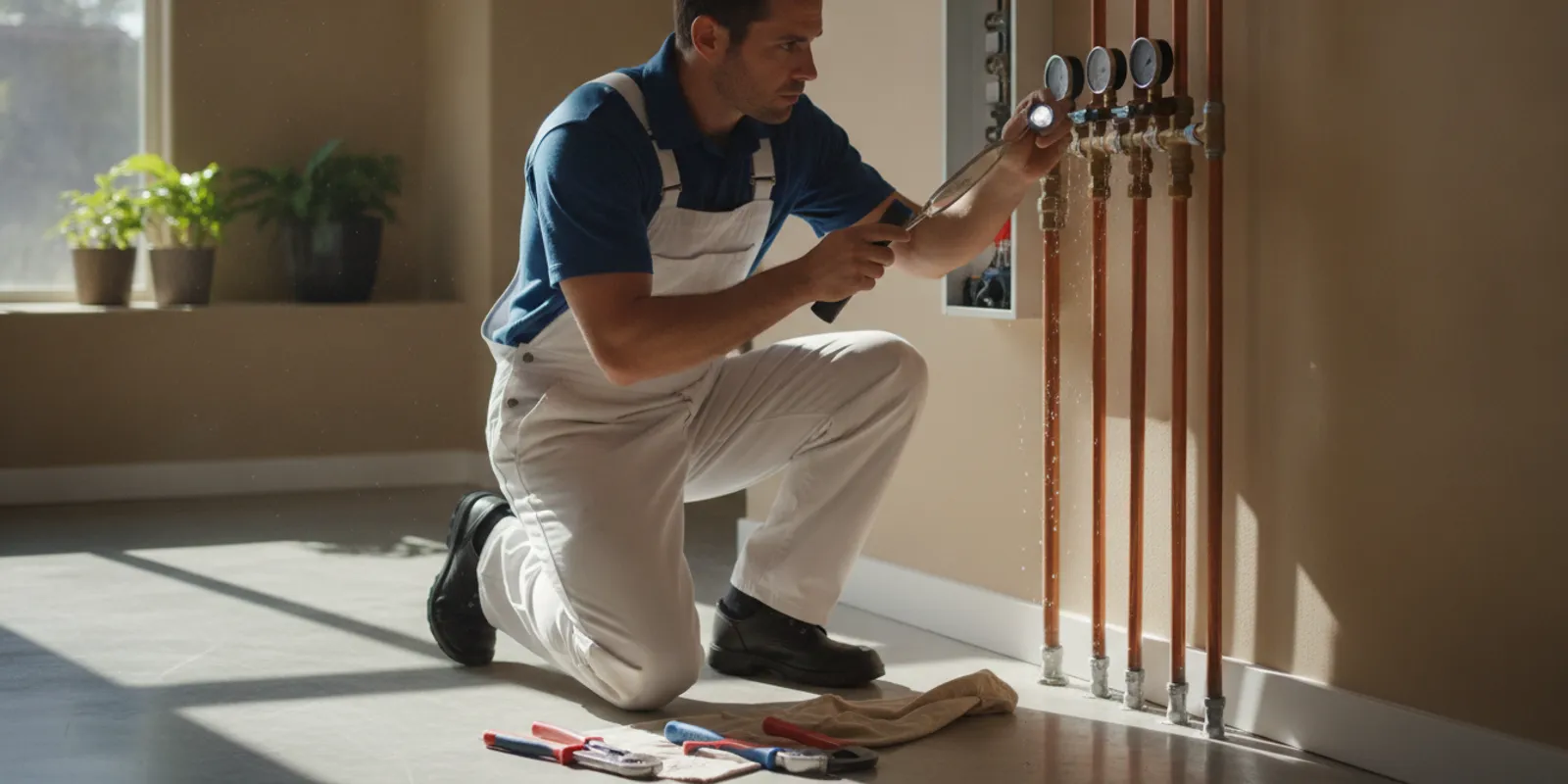
When you need pipe repair in Loma Linda, the first step is identifying where water is escaping and what is causing the damage. A damp cabinet, falling water pressure, or a sudden increase in water use can point to a supply pipe problem, while recurring clogs or odors may involve a drain or sewer line. The right next step depends on the pipe, its condition, and the scope of the leak.
In Loma Linda, a pipe problem may affect a single fixture, an interior water line, a buried service line, or a drain. This guide explains what a plumber may check, how repair and replacement decisions are made, and what to ask when reviewing an estimate. For broader help with a leak or plumbing concern, see the company’s residential plumbing information.
What pipe problems can affect a home or business?
Pipe issues do not all look the same. The location and behavior of the symptoms can help narrow down which system needs attention, but visible clues do not confirm the source on their own.
- Supply-line leaks: Water may appear under a sink, around a water heater connection, or at a wall or ceiling. A hidden leak can show up as a persistent damp area or unexplained water use.
- Corrosion or worn pipe: Older or damaged piping may develop recurring leaks, staining, or changes in water flow. The material, age, and condition of the pipe matter when choosing a remedy.
- Drain leaks or blockages: Slow drainage, gurgling, or recurring backups may point to a drain issue. A blockage and a leaking pipe are different conditions and need different diagnostics.
- Buried pipe damage: Wet ground, settling, or a leak that persists after indoor fixtures are shut off can warrant investigation of an underground line.
- Commercial plumbing concerns: A leak in a business can disrupt restrooms, kitchens, tenant areas, or operations. The affected branch and access conditions help determine a practical work plan.
Water near a pipe is not always coming from the pipe itself. Condensation, a fixture connection, roof or exterior water intrusion, and a drain leak can create similar signs. Finding the source before opening walls or replacing pipe helps keep the scope focused.
How does a plumber diagnose a pipe problem?
A good assessment begins with the symptoms and the layout of the affected plumbing. The plumber may ask when the issue started, whether it changes when water is running, and whether other fixtures are affected. Share any prior repairs or recurring trouble in the same area.
- Identify the pattern. Note which fixtures or rooms are affected, whether the problem is constant or intermittent, and whether water pressure or drainage has changed.
- Check visible connections. Accessible valves, supply lines, fittings, fixtures, and exposed pipe can provide clues. The plumber may also check for moisture or signs of deterioration.
- Isolate the system. Depending on the symptoms, testing may help distinguish a supply leak from a drain problem or an issue with a particular fixture or branch.
- Investigate hidden or buried sections if needed. The diagnostic method depends on access and the suspected location. A camera inspection may be relevant for some drain or sewer concerns, but it is not a universal test for every water leak.
- Explain the findings and options. Ask what evidence points to the proposed repair, what areas will need access, and whether more investigation is needed before finalizing the scope.
If the source is not clear, avoid treating the first visible damp spot as proof of the exact failure point. A focused diagnosis can help distinguish a localized fitting issue from a longer damaged section. For sewer or drain symptoms, the drain and sewer service page describes another part of the plumbing system that may need assessment.
When is a pipe repair enough?
A targeted repair may be suitable when the damaged section is identifiable, accessible, and otherwise in serviceable condition. For example, a single failed joint or a localized puncture may be addressed without replacing every connected pipe. The plumber should explain the repair boundary and how the affected section will be accessed.
Repair may be less straightforward when leaks recur at multiple points, corrosion extends beyond the visible failure, or the pipe material and condition suggest broader deterioration. In those cases, fixing only the latest leak may leave other vulnerable sections in place. The assessment should consider the overall condition rather than assume one solution fits every property.
When should replacement be considered?
Replacement becomes a reasonable option to discuss when a line has widespread damage, repeated failures, or a condition that makes spot repairs unlikely to address the underlying problem. A replacement can involve a limited section, a branch, or a larger run; the appropriate scope depends on what inspection reveals and how the plumbing is arranged.
Before agreeing to a larger project, ask whether the estimate separates the confirmed damaged section from recommended preventive work. Clarify what is driving replacement: observed deterioration, access constraints, repeated repair history, or another specific finding. If a pipe is behind finished surfaces or below grade, access and restoration can also affect the plan.
| Consideration | Localized repair | Section or broader replacement |
|---|---|---|
| Typical fit | One identifiable failure in otherwise serviceable pipe | Multiple failures, extensive damage, or deteriorated pipe |
| Work scope | Access and repair at the affected point | Replace a defined length, branch, or run |
| Key question | Is the damage isolated? | What evidence supports the replacement boundary? |
| Estimate details | Part, labor, access, and testing | Pipe length and material, access, connections, testing, and restoration exclusions |
This comparison is a discussion guide, not a diagnosis. A plumber should connect the proposed scope to the condition observed at your property. If work may affect a sewer lateral rather than a pressurized water pipe, review the distinct overview of a sewer lateral.
What should an estimate for pipe repair include?
An estimate should make the proposed work understandable before it begins. The exact format varies, but these questions can help a homeowner or property manager compare scopes rather than looking only at a bottom-line figure:
- What is the diagnosed problem? Ask for the location and the observations that support the diagnosis.
- What work is included? Confirm whether the scope covers isolation, removal of damaged pipe, fittings, reconnection, and testing.
- What access is required? Ask whether a wall, floor, ceiling, cabinet, or exterior area must be opened, and whether patching or finish restoration is included or excluded.
- What materials are proposed? Ask what pipe and fittings will be used and how they connect to existing plumbing.
- What could change the scope? Hidden damage, difficult access, or additional failed sections can affect work. Ask how those findings will be communicated before added work proceeds.
- Are permits or inspections relevant? Requirements depend on the work and local authority. Ask who will confirm whether they apply to the specific project.
For a business, also discuss access hours, which fixtures or areas may be unavailable, and how the work can be sequenced around operations. Do not assume that all repairs require the same amount of downtime or the same restoration work; those details depend on location and scope.
How can owners compare proposed pipe work?
When reviewing two scopes, compare what each includes rather than assuming similar labels describe identical work. One estimate may cover only an accessible leak, while another may include replacing a longer section or investigating a second symptom. Ask each provider to identify the pipe involved, the confirmed damaged area, and the tasks included from shutoff through testing.
Check whether the estimates make the same assumptions about access. A pipe in an open utility area may be reached differently from one behind a finished wall, beneath a slab, or under landscaping. If one proposal includes opening and restoring surfaces and another excludes that work, the totals are not directly comparable until you understand those exclusions. Confirm whether disposal, cleanup, and reconnection of affected fixtures are part of the described scope.
It can also help to separate urgent stabilization from permanent work. If water is actively escaping, the immediate plan may be to stop or contain it, while a later visit or additional investigation determines the permanent repair. Ask what is being done now, what remains unresolved, and what follow-up is recommended. That distinction helps prevent a temporary measure from being mistaken for a complete correction.
What can you do before the plumber arrives?
Keep people away from standing water near electrical equipment. If a leak is active and it is safe to reach the appropriate shutoff, closing the water supply can limit additional water release while you arrange service. If you are unsure which valve controls the affected area, do not force a stuck valve.
Make the visit more productive by noting when the issue began, which fixtures were in use, and whether the symptom has changed. Clear access to the affected area if possible, and point out previous repairs or locations where the problem has appeared before. Photos can help document intermittent signs, but they do not replace an on-site assessment.
In an apartment, managed property, or commercial space, notify the responsible property contact as appropriate. They may need to coordinate access, shutoffs, or approvals. Avoid covering up a damp area before the source has been checked, since that can make it harder to evaluate the condition.
What local details matter in Loma Linda?
Every property is different. A plumber may need to account for the building layout, pipe accessibility, the type of plumbing involved, and whether the issue is within the building or on a buried line. Older repairs, additions, and changes in use can also affect how the system is configured.
For properties with a sewer concern, the problem may involve a drain line or lateral rather than a water supply pipe. Keep the symptoms distinct when requesting service: describe whether water is leaking, drains are backing up, or both. Diamond House Plumbing provides plumbing and sewer lateral services in the Inland Empire; its company information gives additional background.
What safety and compliance questions should you ask?
Work involving potable water, drain piping, or a buried service line may have different technical and local requirements. Rather than assuming a permit is or is not needed, ask the contractor what rules apply to the precise scope and who will verify them with the relevant local authority. Keep the answer tied to the work described in the estimate, especially if the plan changes after a wall or ground is opened.
Ask how the repaired line will be tested before it is returned to service, and what signs you should watch for afterward. For a supply line, clarify whether the plumber will check for leaks at the new connection under operating conditions. For a drain line, ask how proper flow will be confirmed. The test should match the system that was worked on; a visual check alone may not answer every question about performance.
For commercial properties, include building access and occupant safety in the coordination plan. Identify which areas may be restricted during work, how occupants will be informed, and whether any fixtures need to remain available. If the repair affects a shared line, confirm who is responsible for coordinating with tenants or neighboring units. These practical details help avoid confusion while the plumbing is out of service.
How should you prepare for different pipe locations?
The location of the suspected failure changes what information is useful and what access may be needed. A leak below a sink, a wet patch on an exterior walkway, and a ceiling stain should not all be treated as the same job. Describe what you can see and avoid guessing at the hidden cause; the plumber can use that description to plan an initial assessment.
Under sinks and at fixtures
For a cabinet leak, remove stored items only if it is safe and the area is not electrically hazardous. Note whether water appears while the faucet runs, when the fixture drains, or even when no one is using it. Those timing details can help distinguish a supply connection from a drain connection. If water is only present after a fixture is used, report that pattern rather than assuming the pipe itself has failed.
Inside walls, floors, or ceilings
A stain or bubbling finish can show where moisture became visible, not necessarily where it began. Record whether the mark is growing, whether it appears after a specific fixture is used, and whether there are signs on another level of the building. Do not cut into a wall or ceiling to search for the source. Ask what evidence supports any proposed opening and whether the access point can be limited to the suspected area.
Outside or below grade
For a wet area outdoors, note its position relative to the building, meter, irrigation, and visible plumbing, along with whether it changes after watering or rain. Keep vehicles and heavy equipment away from saturated ground. A buried line may require different locating and access steps than an exposed interior pipe, so ask what investigation is planned before excavation and how the area will be protected.
What should happen after the pipe work?
Before the job is considered complete, review what was repaired or replaced and ask how the line was checked. The method should suit the system: a supply repair can be observed for leakage when water is restored, while a drain repair can be checked for flow under appropriate use. Ask the plumber to explain any limits to the test, especially if a section remains inaccessible or additional investigation was recommended.
Keep the estimate, any change approvals, and the description of completed work together. A short record should note the affected location, the pipe or branch involved, materials used if provided, and any follow-up that remains. This is useful if a similar symptom returns, and it gives a future service professional context without requiring you to rely on memory.
After service, watch for the original symptom rather than expecting every nearby mark to disappear immediately. If dampness returns, drainage remains slow, or water use seems unusual, note when it occurs and contact the provider to discuss the findings. Avoid assuming that a separate new symptom is covered by the same repair; clarify whether it relates to the completed scope.
How can a property manager coordinate the visit?
In a multi-unit building or workplace, a little coordination prevents avoidable delays. Identify the unit or room where the issue was first noticed, who can provide entry, and whether the relevant shutoff affects only one fixture or a shared area. Let occupants know what is known and what is still being investigated, without promising a repair duration before the scope is assessed.
Ask the plumber to specify which areas need to be clear and whether water service will need to be interrupted for testing or repair. If multiple businesses or residents rely on the affected line, arrange a contact person who can relay updates and approve work under the property’s normal process. For a business, consider whether a restroom, kitchen, or customer area should be temporarily redirected while work proceeds.
Record the sequence of events: when the first report came in, what fixtures were affected, what immediate steps were taken, and when access was provided. If there are multiple reports, keep each location distinct instead of combining them into one broad description. That simple record can help determine whether there is one shared plumbing issue or several unrelated fixture problems.
Frequently asked questions
Can low water pressure mean there is a pipe leak?
It can be one possible clue, but pressure changes can have other causes, including a fixture, valve, or supply issue. Note whether the change affects one fixture or multiple areas and share that pattern during the assessment.
Does every leak require opening a wall?
No. Some problems are accessible at a fixture, cabinet, or exposed pipe. If a hidden section is suspected, the access plan depends on where the evidence points and what diagnostic steps are appropriate.
Is pipe repair the same as sewer lateral repair?
No. A water supply pipe carries water to fixtures, while a sewer lateral carries wastewater away from a property toward the public sewer connection. Symptoms and inspection methods differ, so describe the issue clearly when arranging an assessment.
Should I choose repair or replacement based only on age?
Age is useful context, but it does not establish the condition of a particular pipe. The material, visible state, leak history, and extent of damage should inform the recommendation.
Contact Diamond House Plumbing about your pipe concern
A clear diagnosis and a written scope help you understand the problem and choose a practical next step for your Loma Linda property.
For applicable pipe work, California’s plumbing provisions are part of the state building standards; the California Building Standards Commission code resources provide an official starting point for checking current requirements. Confirm the rules for the specific project with the local authority before work proceeds.

Leave a Reply