
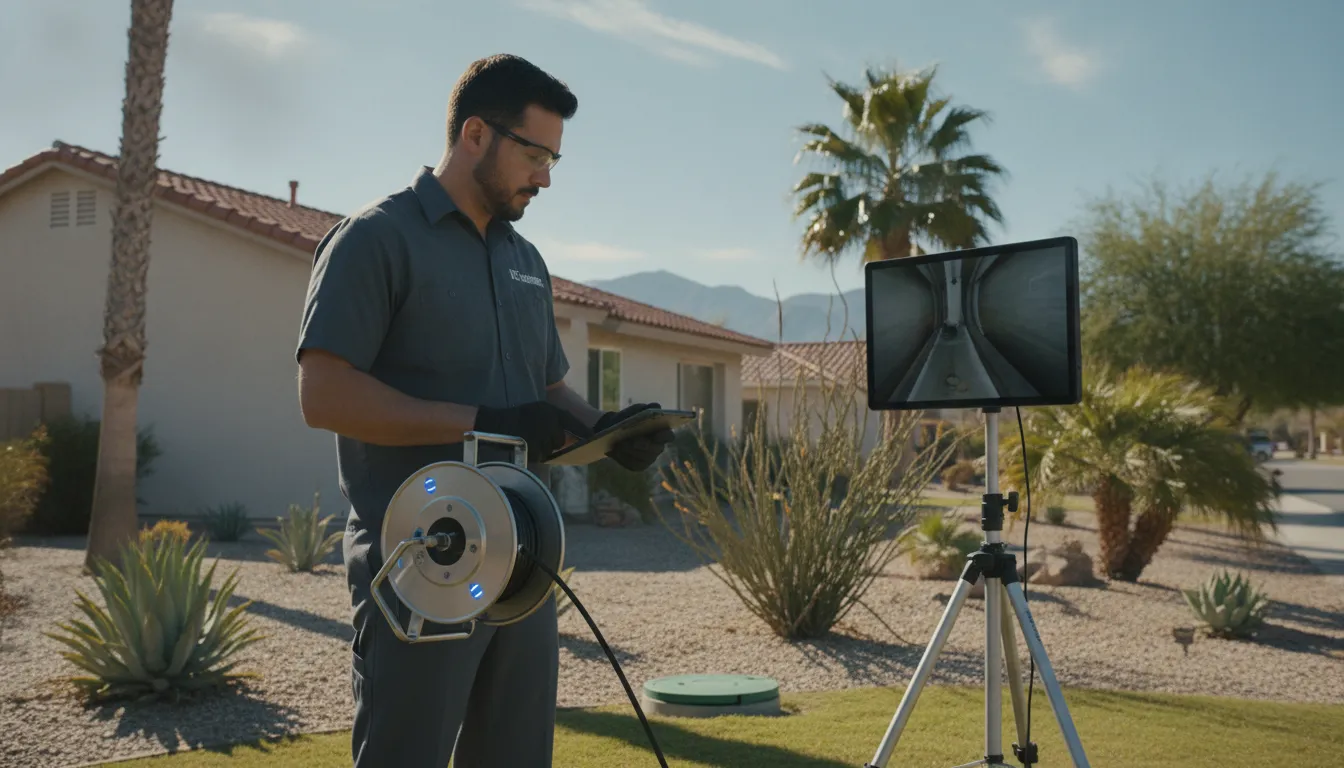
Slow drains or damp patches in your yard often point to major pipe problems hidden underground. Leaving these early warning signs alone can lead to messy, expensive sewer line backups that disrupt your home.
A professional sewer line inspection Inland Empire homeowners can count on uses small, waterproof cameras to see inside your underground plumbing pipes. By putting a flexible camera into your main sewer clean-out, trained plumbers can check the whole pipe length without digging up your yard. This camera scope service is very helpful if your home has slow drains, clogs that keep coming back, or wet spots in the grass. According to local water experts at the Santa Ana Watershed Project Authority, camera checks are the best way to find underground pipe damage. These clear inspections show you what is wrong so you can make smart choices about your home plumbing system.
If you are dealing with messy drain issues, you might wonder how these camera checks actually work. Knowing what happens during the plumbing visit helps you prepare for the service and feel confident. We can start by explaining What Is a Sewer Line Inspection?
Sewer Line Inspection Inland Empire: What Is a Sewer Line Inspection?
A sewer line inspection is a process that lets experts see the inside of your home’s main waste pipe. Technicians use this tool to check the health of your plumbing and see if you need repairs. If you live in Southern California, getting a professional sewer inspection is a smart way to keep your home safe. It is vital to perform a sewer line inspection Inland Empire homeowners can trust when buying a home or facing slow drains.
This service is helpful because most waste pipes run deep underground. Homeowners cannot see problems without digging up their yards. In the past, finding a leak meant digging long trenches. Now, experts use a fast and clean method to spot issues.
Waterproof camera technology
Modern pipe checks rely on Closed Circuit Television (CCTV) technology. A plumber attaches a small, waterproof camera to a long cable. This high-resolution camera sends live video to a screen above ground. The camera travels through the line to show the pipe walls in real time. It can spot tiny cracks, grease build-up, and tree roots before they cause a flood.
These waterproof cameras can handle the wet and dirty space inside sewer pipes. They provide clear images that help plumbers find the exact spot of any blockage. By seeing the interior of the pipe, crews can tell if you need a quick clean or a full repair. This takes the guesswork out of plumbing work.
How technicians access your pipes
To start the inspection, crews must find a way into your plumbing system. Plumbers do not have to break your walls or dig up your lawn. Instead, they insert the sewer camera through open clean-outs or roof vents. Clean-outs are short pipes with a cap that connect directly to your main sewer line. They are often found in your yard, basement, or near the foundation.
If a home does not have a clean-out, plumbers can use a roof vent to reach the sewer line. This access point lets the camera slide down the stack to inspect the system. Once the camera is in the pipe, the operator pushes it along the line. They watch the screen to map your system and find structural damage.
Certified plumbing standards
Using camera technology requires special training to understand the video feed. A professional sewer check should be done by an operator with proper training. In the United States, experts follow guidelines set by the National Association of Sewer Service Companies (NASSCO). Operators who have this training know how to spot and grade pipe defects.
They use the Pipeline Assessment and Certification Program (PACP) to give you an honest review of your sewer line. This high standard of training ensures that you get a clear and correct report. A certified plumber will not misread a simple smudge as a major crack. They can tell the difference between normal grease and a broken pipe. Having a trained professional check your lines protects your home from extra repairs and gives you peace of mind.
How a Sewer Camera Inspection Works
If you need a sewer line inspection Inland Empire experts from Diamond House Plumbing are ready to help. We do not guess when we check your sewer pipes. Instead, our crew uses advanced sewer camera scopes to see deep inside your lines. This step-by-step process is quick, clean, and highly precise. It shows you the exact state of your plumbing without any yard damage.
Preparing the pipe for scanning
Before the camera goes in, the line must be ready. Proper setup ensures the plumber can see every inch of the pipe wall clearly. Clean pipes are the key to a great scan. If a line is full of grease, tree roots, or waste, the camera lens will get dirty and block our view.
The step-by-step camera inspection
- Pre-cleaning the line. Techs must clean the sewer line by removing all debris before the camera goes in. This matches standard CCTV sewer guidelines. Clearing out waste makes it easy to find cracks, joints, and root blocks. Plumbers often use hydro-jetting to wash away any grease first.
- Finding the entry point. Our crew finds an existing path into your plumbing. Plumbers insert the camera through clean-outs or roof vents to access the sewer system without any digging. Clean-outs are pipe access points located outside your home or in your basement.
- Feeding the camera. A plumber pushes a high-resolution, waterproof camera into the sewer line. The camera sends a real-time video feed back to a monitor above ground. We watch the screen to see inside the pipe as the lens moves forward.
- Tracking with radio signals. Modern sewer cameras have built-in radio transmitters. This tech helps plumbers track the exact depth and location of any pipe damage from the surface. We run a receiver over the ground to pinpoint where the camera is located in real time.
- Checking the pipe slope. The plumber checks the slope of the lines. A proper sewer pipe must slope down to let wastewater flow naturally with gravity. If a pipe has a sag or a bad slope, water will pool and cause frequent clogs.
- Drafting the final report. After the scan, you get a full report of the findings. We base our reviews on NASSCO PACP standards to give you a clear, certified assessment of your system. This report lists all cracks, roots, or breaks in detail.
Reviewing your pipe report
Once the scan is complete, you will receive a detailed report of the findings. Our team provides a professional sewer inspection to map your pipes and point out any root blocks or cracks. This report helps us decide if you need a simple spot fix or more work. We walk you through the video feed so you can see the pipe condition yourself.
Signs You Need a Sewer Line Inspection
Sewer line issues can start small but turn into big problems fast. For local homeowners, a sewer line inspection Inland Empire from Diamond House Plumbing is the best way to find pipe flaws early. If you notice slow drains, strange noises, or bad smells, your pipes may have a major block.
Drainage and Odor Warning Signs
Slow drains in your sinks, tubs, or showers are often the first sign of a clog. If only one sink is slow, the clog is likely in that branch line. But if all your drains are slow, the main sewer line is the issue.
You may also hear a gurgling sound from your toilets when you run the tap. This happens when air gets trapped in the pipes as water tries to flow past a block.
Another major red flag is a bad smell near your home or yard drains. A sewer pipe is a closed system that should trap gas. If you smell sewage, there is a leak or a crack in the line. You can read more about these warning signs in our guide on sewer line inspection services.
Lawn Dampness and Root Issues
A broken line can also show up in your yard. If you see wet, soggy spots in your grass when it has not rained, you may have a sewer leak. These wet spots often smell bad and can draw pests like rats, flies, and bugs. The extra water and waste can also make your grass look green and lush in just one spot.
Tree roots are a common cause of these leaks. Roots seek out moisture and can find small cracks in your pipes. Once inside, they grow fast and block the flow. This root intrusion can crack, shift, or collapse your line over time.
Technicians use special cameras to find these blockages. They follow guidelines from groups like the Los Angeles County Public Works department.
Structural Risks and Pipe Sags
Aging pipes are a big issue for Inland Empire homeowners. Many homes in this area still use old clay or cast iron lines. These older materials are prone to cracking and shifting as the ground moves. When clay pipes crack, they let roots in and allow sewage to leak into the soil around your foundation.
A leak under your home can cause foundation cracks over time. Water from a broken sewer line can wash away the soil under your concrete slab, making it sink and crack. You might see cracks in your walls or floors inside the house. If you notice these signs, you need an inspection right away.
An inspection can also find a pipe belly, which is a sag in the sewer line. A belly happens when a section of the pipe sinks into the ground, trapping waste and causing clogs. A camera scope is the only way to find a sag without digging up your entire yard. Finding this issue early lets you fix it before the pipe collapses.
When to Schedule a Sewer Line Inspection
Booking a sewer line inspection Inland Empire is a vital step for any home owner. Many home owners wait until a major clog occurs to call for help. But waiting too long can lead to severe system damage.
Timely sewer checks help you find small issues before they grow. For instance, routine sewer checks can prevent emergency, large-scale sewer line collapses. These pipe collapses are costly to fix and can disrupt your life. Taking care of your pipes early keeps your system running well and protects your home.
Buying or selling a home
Buying a new property is a major step. It is wise to check the sewer pipes before you close the deal. A pre-purchase sewer check can save buyers in the Inland Empire from high, surprise repair costs. These pre-purchase checks are highly advised if you buy a home that is more than twenty years old.
Older systems are much more likely to have cracked or broken pipes. You do not want to face a broken sewer system after you move in. If you are selling your home, a clean scan can also show buyers that your lines are in good shape. This can speed up the sale and give buyers peace of mind.
Dealing with mature trees
Mature trees add beauty to your yard, but their roots can cause big sewer problems. Tree roots always search for moisture and can easily find small cracks in your pipes. Once inside, they grow fast and block the flow of water.
Over time, these roots can crack and break solid pipe walls. Home owners with mature trees should get preventative checks to catch roots early. If your home sits in an area with high tree density, a yearly camera scan is a smart choice to keep your lines clear. Finding roots early allows for simple cleaning rather than costly digging.
Sewer backups and recurring clogs
A sewer backup is a big plumbing problem that needs quick action. If you have slow drains or clogs that keep coming back, do not wait for a full backup. These signs mean there is a deep issue in your sewer line.
Instead, schedule a sewer line camera inspection to find the exact cause of the trouble. Getting a clear look inside the pipe is the best way to choose the right repair. For safety and to be sure, local standards like the Los Angeles County sewer CCTV guidelines suggest using trained experts to check your lines. A proper check ensures you do not waste money on short-term fixes that fail to solve the real problem.
Common Sewer Line Problems Found in the Inland Empire
Older plumbing systems in Southern California face unique local challenges. The dry soil and mature trees in Riverside and San Bernardino counties put extra strain on buried lines. If you own a home in these areas, you should watch for sewer system warning signs. An expert sewer line inspection Inland Empire service can find these issues early before they cause costly backups.
Aging pipes and old materials
Many homes in our area were built decades ago. These older properties often have sewer lines made of weak or outdated materials. Sewer inspections for Inland Empire homeowners often reveal aging clay or cast iron pipes that become brittle and prone to cracking. Ground shifts and weight from the soil can cause these pipes to crack or break apart.
Older homes in the Inland Empire built before 1970 may have Orangeburg piping. These old pipes consist of wood pulp and coal tar, making them prone to sudden failure. They are weak and flatten or collapse under pressure. When Diamond House Plumbing finds these pipes, we tell you to replace them to avoid a major sewer backup. Here is a quick guide to common pipe materials found in the area:
| Pipe Material | Common Age | Typical Lifespan | Key Weakness |
|---|---|---|---|
| Clay / Vitrified Clay | Pre-1980 | 50-60 years | Cracks from root pressure; joints leak |
| Cast Iron | Pre-1970 | 50-75 years | Rust and corrosion from inside |
| Orangeburg (pulp) | Pre-1970 | 30-50 years | Collapses when wet; soft and weak |
| PVC | 1980-present | 100+ years | Less common; crack at joints if soil shifts |
To find these pipe issues, experts use special camera gear. Local government agencies like the Santa Ana Watershed Project Authority also use CCTV sewer inspections to check their own main lines. This high-tech camera method lets plumbers see the exact state of your pipes without digging up your yard.
Tree roots and shifting soil
Trees make our neighborhoods look great, but they are a big threat to sewer pipes. Many Inland Empire sewer systems were built with materials that decay over time and let roots inside. Thirsty tree roots grow deep to search for moisture. If your sewer line has even a tiny crack, roots will find it and grow inside the pipe.
As roots grow, they block the flow of waste. They also catch hair and grease, which makes the clog much worse. In some cases, the pressure from growing roots will split the pipe apart. If you have mature trees near your sewer line, you should book sewer line inspection services to check for early root growth.
Shifting soil in the Inland Empire is another common problem. When the dry ground moves, it can cause buried pipes to sag. This sag, called a pipe belly, traps water and solid waste to cause slow drains and clogs. Camera inspections are the only way to find a pipe belly deep underground.
Grease and waste build-up
Even if your pipes are strong, daily use can still cause big clogs. Sewer lines in the Inland Empire often deal with debris, grease, and hair buildup over time. Pouring warm fat down the sink is a bad idea, as it cools and sticks to the pipe walls. Over the years, this grease layer gets thicker and catches other debris.
This buildup slows down the flow of water and leads to clogs. Hard water minerals can also stick to the grease, making a tough crust that is hard to clear. Plumbers use camera scopes to check the level of buildup. This step helps them see if your lines need hydro-jetting to clear the waste.
What Happens After the Inspection
Once our crews finish a sewer line inspection Inland Empire homeowners receive a clear view of their piping system. You do not have to guess about the state of your buried lines. Instead, you get a full look at what is going on below your property. This knowledge helps you make smart choices for your home plumbing before any minor issues turn into costly leaks.
The Video Report and Pipe Diagram
A major benefit of a professional sewer inspection is the detail it gives. Our team hands you a full video report that shows the inside of your pipes. This report often includes a pipe map or diagram of your system layout. These tools show exactly where any issues are located near your home. You can see the exact spot of every crack or root block. A camera helps our team tell the difference between a simple clog and a major structural issue. For instance, a block of grease or hair is easy to clear. A cracked, shifted, or collapsed pipe needs another plan. The video shows the exact path and depth of these problems so you can make an informed choice.
Understanding Your Repair Options
If our team finds damage, you do not always need to replace the whole pipe. A camera helps us find the exact section of pipe that is broken. This means you can opt for a targeted repair instead of a complete sewer line replacement. This focused approach saves you both time and money. It avoids the high cost of replacing pipes that are still in good shape. Professional camera crews follow strict codes. Under county public works guidelines, sewer inspections should be done by crews with PACP training. This training ensures that every fracture or pipe sag is found and logged with care.
Trenchless Methods and Verification
Modern plumbing offers ways to fix pipes without digging up your yard. If our camera finds damage, we can often suggest trenchless repair options. These high-tech methods can fix a pipe from the inside. We can line or coat the pipe without digging deep trenches. This protects your lawn and yard from heavy digging tools. After any repair is complete, we run our camera through the line once more. A post-repair camera run is the best way to prove that the work was done right. It shows that your sewer line is fully open, has the correct slope, and is ready for years of trouble-free use.
Frequently Asked Questions
Will a standard home inspection include a sewer scope?
No, standard home checks do not look at the main sewer pipe. Home buyers in the Inland Empire should book a separate camera scope to find hidden cracks or blocks. According to Diamond House Plumbing, a pre-purchase sewer check can save buyers thousands of dollars in sudden repair bills. This is very smart for any home that is more than twenty years old.
Can a sewer camera find a collapsed pipe?
Yes, a high-resolution camera can easily find serious pipe problems like a collapse. The waterproof camera goes directly into the sewer line to show its condition in real time. According to Diamond House Plumbing, sewer camera scopes can locate cracks, pipe sags, and tree roots. This helps us find the exact spot that needs fixing so we can avoid digging up your lawn.
Do sewer lines need to be cleaned before an inspection?
Yes, proper sewer inspection steps usually need the line cleaned first. Clearing out grease, dirt, and waste lets the camera get a clear view of the pipe walls. According to sewer standards from the Los Angeles County Public Works, pipes should be cleaned to remove buildup before scoping. This helps our team find small cracks, pipe shifts, or tree root blockages.
How do technicians find a sag or belly in a sewer line?
Technicians use a sewer camera to check the slope of your pipes. A belly is a sag where the pipe has sunk over time, which traps water and waste to cause major blocks. According to industry data from Lasting Legacy, a camera scope shows these sags clearly. Finding a belly early lets our team fix the exact section before it leads to a full backup.
Why is a sewer line inspection in the Inland Empire so important?
Many local sewer systems were built with older materials that decay over time. According to Diamond House Plumbing, tree roots and shifting soil frequently damage these lines in Riverside and San Bernardino counties. A camera inspection finds these problems early to help you avoid messy, expensive sewer backups in your yard.
Ready to Schedule Your Sewer Line Inspection?
Ignoring minor sewer line issues now can lead to costly backups and messy water damage in your home later. Over time, a small crack or tree root clog can grow into a major pipe collapse that requires digging up your yard. Scheduling a professional camera check today lets you catch these problems early, saving you both time and money. Our local team has years of experience helping homeowners across Riverside and San Bernardino County. We are ready to bring you peace of mind with fast, honest, and expert service. You can also view our sewer lateral repair signs page to learn more about common warning signals.
Ready to schedule? Call (800) 674-9440 to schedule a sewer line inspection with Diamond House Plumbing.
Leave a Reply