
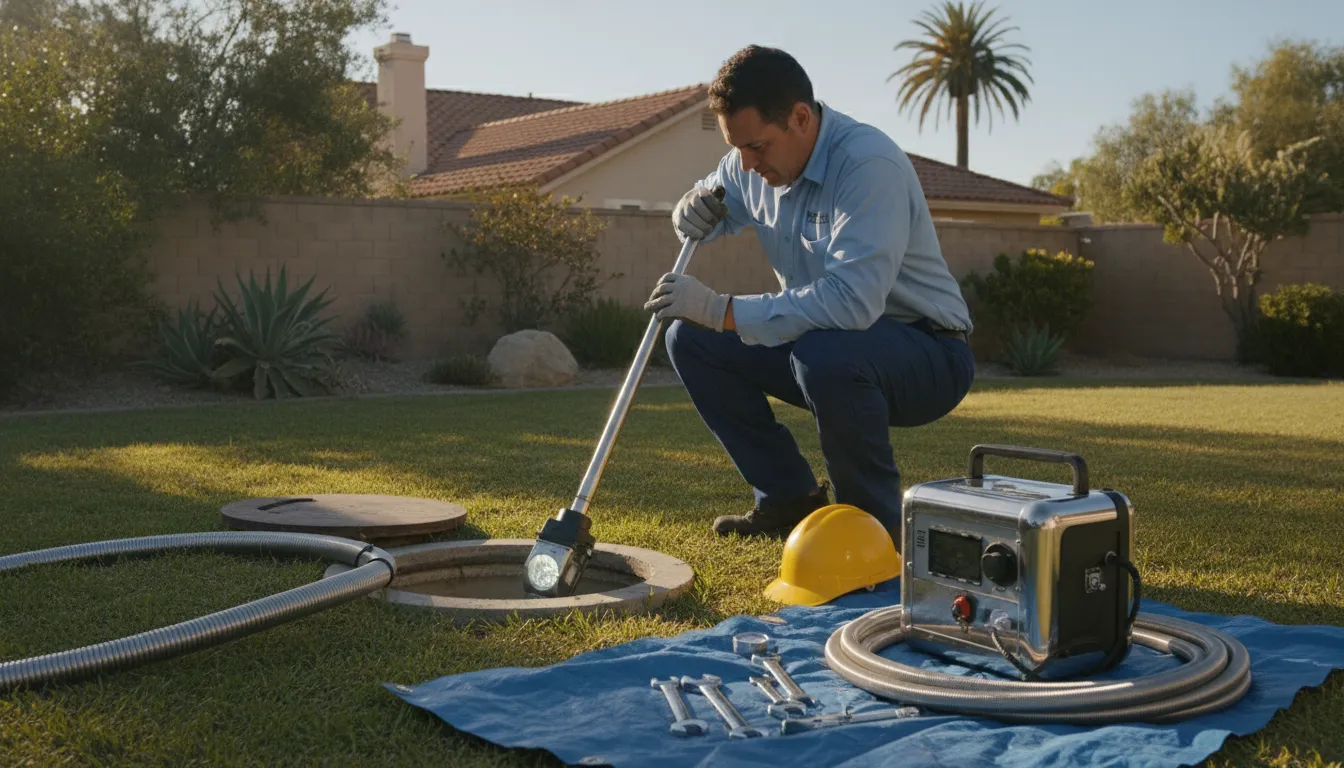
A septic problem rarely starts with a dramatic failure. More often, property owners notice a slow drain, an unusual odor. Or a soggy area near the system and wonder whether the issue is temporary or signals a larger concern. In Riverside and San Bernardino County. Both homeowners and commercial operators need a clear way to evaluate those warning signs without disturbing the system or putting people and property at risk.
Septic tank repair addresses a specific problem affecting the tank, connected components, drainage, or overall system performance. The right solution depends on a professional evaluation of the system’s condition, not on one symptom alone. A qualified provider can identify the source, explain the available options, and clarify whether repair, maintenance, or a more extensive project is appropriate.
Understanding what this service includes makes it easier to respond calmly and protect your property. Start with the basic distinction between routine septic care and corrective work, then consider how diagnosis guides the next step.
What Is Septic Tank Repair?
Septic tank repair is the professional process of identifying and correcting a problem that prevents a septic system from working safely and effectively. The work may involve troubleshooting tank components, inlet or outlet connections, pumps, pipes, drainage, or other parts of the onsite wastewater system. The correct repair depends on the condition of the system and the cause of the problem. So a qualified professional should evaluate the property before recommending a scope of work.
For homeowners and commercial property operators in Riverside and San Bernardino County, repair can address issues such as a damaged component. A leaking connection, restricted flow, or a performance problem affecting the tank or drainfield. A service visit should focus on diagnosis rather than assumptions. The provider may assess system history, inspect accessible components, look for leaks, and evaluate signs that wastewater is not moving or being treated as it should.
How Repair Differs From Pumping
Pumping removes accumulated solids and liquids from the tank. It is an important maintenance service, but it does not automatically correct a damaged pipe, failed pump, faulty outlet component, leak, or drainage problem. The Environmental Protection Agency says a provider should inspect for leaks and examine the scum and sludge layers during septic service. Pumping frequency varies with factors such as household size, wastewater volume, solids, and tank size. If symptoms continue after pumping, further evaluation may be necessary.
How Repair Differs From Replacement
Replacement removes and installs a major part of the system, or in some cases the entire septic tank or related infrastructure. Repair is generally considered when the system has a correctable issue and the surrounding components remain suitable for continued use. Replacement or an upgrade may be considered when damage is extensive, drainage performance cannot be restored, or the system no longer provides a safe and reliable solution. An inspection helps establish which path is appropriate without committing the property owner to unnecessary work.
Diamond House Plumbing provides septic system services for residential and commercial properties throughout the Inland Empire. Whether the concern is slow drainage, a sewage backup, an alarm, or an unexplained change in system performance. Professional diagnosis can clarify the next step while protecting the property and surrounding site.
What Are the Signs You May Need Septic Tank Repair?
Septic problems often develop gradually, then become much more disruptive when wastewater can no longer move through the system normally. A single symptom does not identify the failed component, but a pattern of changes around the home or commercial property deserves prompt attention. In Riverside and San Bernardino County, property conditions, system age, usage, and soil drainage can all affect what a professional finds.
Slow drains, backups, and wastewater returning indoors
Drains that become slow throughout the property may indicate a septic issue, especially when sinks, showers, toilets, and other fixtures are affected at the same time. Repeated toilet backups, sewage odors indoors, or wastewater rising through a low drain are more urgent signs. These symptoms can involve a full tank, a blockage, a pump problem, restricted flow, or a drainage failure. They should not be treated as a routine fixture clog without considering the septic system.
If sewage is backing up, keep people and pets away from the affected area and avoid contact with wastewater. Do not open or enter a tank, disturb buried components, or attempt to repair electrical or pumping equipment. A qualified professional can assess the situation without turning a sanitation concern into a larger property or safety problem.
Odors, wet ground, and unusually green growth
Persistent sewage odors near the tank, drainfield, or plumbing fixtures can point to a leak, poor flow, or another system condition that needs evaluation. Wet or unusually soft ground over part of the septic system may also indicate that wastewater is not dispersing as it should. A patch of grass that is noticeably greener or taller than surrounding areas can be another clue, particularly when it appears near the tank or drainfield.
These outdoor signs are not proof of a specific failure. Irrigation, recent weather, grading, and normal landscaping can create similar conditions. A professional inspection can look for leaks, examine the tank’s scum and sludge layers, and evaluate the system’s drainage and performance. The septic system inspection guide explains why that evaluation matters before selecting a repair.
Pump, float, or alarm concerns
Systems with pumps, electrical controls, float switches, or alarms may show warning signs that differ from a conventional gravity system. An alarm, pump that runs continuously, unusual motor noise, or a sudden change in normal operation should be evaluated rather than ignored. The EPA notes that systems with electrical, pumping, or mechanical components generally need inspection more often, often annually. Repeated alarms may reflect a component issue, high water level, blocked flow, or a broader drainage concern.
Professional diagnosis is important because the same symptom can have several causes. The right response may be maintenance, a component repair, pumping, drainage work, or a more extensive solution. Recording when symptoms began, where they occur, and whether water use or weather changed can help the service provider understand the problem.
How Professionals Diagnose a Septic Problem
Effective septic tank repair starts with diagnosis, not guesswork. Symptoms such as slow drains, odors, wet ground, or sewage backup can come from different parts of the system. A professional evaluation narrows down the cause while protecting the property, the people nearby, and the system itself. The goal is to identify the condition of the tank, connected components, and drainage area before anyone recommends a repair.
A qualified provider should also limit unnecessary disturbance. Septic inspections are intended to minimize disruption to system function and the surrounding site. Here is what a careful evaluation generally covers:
- History and current symptoms. The provider begins by asking when the problem started, whether it is getting worse, and what you have observed. Useful details include recent backups, slow fixtures, unusual odors, standing water, alarm activity, recent pumping, and changes in water use. Maintenance records can show previous repairs, pumping dates, and recurring trouble spots. This history helps distinguish a sudden component issue from a longer-term drainage or capacity concern.
- Safe access and system layout. The provider locates the tank, access points, outlet route, distribution components, and drainfield area using available property information and appropriate inspection methods. You should not open a tank, enter a septic space, or attempt to expose buried components yourself. Septic gases and structural hazards can be dangerous, and professional access protects both the occupants and the system.
- Tank and component condition. The evaluation may look for leaks and assess the scum and sludge layers. The provider also checks relevant components, such as the inlet and outlet connections, outlet tee, baffles, pump, floats, alarms, or electrical equipment when those parts are present. The outlet tee helps keep solids from traveling toward the drainfield, so a damaged or missing component can affect downstream performance. The appropriate inspection method depends on the system design and the reported symptoms.
- Drainage and surrounding conditions. Tank condition alone does not explain every septic problem. The provider considers how wastewater is leaving the tank and whether the drainfield or related piping shows signs of poor performance. Surface moisture, unusually lush growth, odors, or backup patterns may provide useful clues, but they do not establish a diagnosis by themselves. The inspection should consider site conditions without creating unnecessary damage or disruption.
- Documented scope and next steps. After the evaluation, ask for a clear explanation of the findings, recommended repair, and any areas that need further testing. The EPA’s septic care guidance says a service report should document completed repairs and tank condition. A useful report gives the property owner a record of what was observed, what work is proposed, and whether maintenance or monitoring is needed afterward. That documentation supports informed decisions for homes and businesses across Riverside and San Bernardino County.
Professional diagnosis does not always lead to the largest repair. It provides the information needed to address the actual failure, protect the surrounding property, and plan work responsibly.
Which Septic Tank Repairs Are Common?
Septic tank repair can address a single failed component, a damaged connection, or a larger drainage problem. The visible symptom does not always identify the source. A slow drain may relate to tank conditions, piping, or the drainfield, so the appropriate repair depends on a professional inspection rather than a quick assumption.
Tank leaks and structural concerns
An inspection may look for evidence that the tank is leaking, damaged, or no longer maintaining its intended separation of solids, liquid, and wastewater. The condition of the tank matters, including the material, access points, surrounding soil, and extent of any damage. Minor component work may be appropriate in one situation, while a severely compromised tank may require a larger correction. The EPA notes that a septic service provider should inspect for leaks and examine the scum and sludge layers during service.
Outlet, baffle, and pipe problems
Outlet tees, baffles, and connected pipes help direct wastewater through the system. The tank outlet tee helps keep sludge and scum from traveling into the drainfield. If an outlet component is damaged, displaced, blocked, or improperly functioning, the system may not move wastewater as intended. Repair work may involve correcting the affected component or addressing a pipe connection, but the method should follow the inspection findings and the system’s existing design.
Pumps and electrical components
Some septic systems include pumps, floats, alarms, control panels, or other electrical and mechanical components. These systems need a different evaluation from a gravity-flow setup. A pump that is not operating properly may affect wastewater movement, while an alarm can indicate a condition that needs prompt attention without identifying the exact cause. Qualified service personnel can evaluate the components safely and determine whether the issue involves the pump, controls, wiring, or another part of the system. The EPA recommends more frequent inspection for systems with electrical, pumping, or mechanical components.
Drainfield-related findings
A tank can be functioning while the system still has a drainage or drainfield problem. Inspection may consider how wastewater leaves the tank, how the soil area is receiving it, and whether site conditions are contributing to poor performance. Wet areas, unusual surface changes, backups, or persistent drainage concerns should not be treated as proof of one specific failure. They are reasons to evaluate the complete system. Septic work may include troubleshooting components, assessing drainage, and deciding whether repair or replacement is appropriate.
For property owners in Riverside and San Bernardino County, septic system services can include diagnosis, repair, pumping, or replacement planning. A written service report should identify the tank condition and repairs completed, giving homeowners and commercial operators a clearer record of the work.
When Is Repair Better Than Replacement?
Choosing between septic tank repair and replacement depends on what an inspection finds, not simply on the system’s age. A localized problem may be corrected while the rest of the system remains serviceable. More extensive damage, repeated failures, or drainage problems may point toward replacement or an upgrade. A qualified evaluation should consider the tank, connected components, soil and drainage conditions, and how the system is being used.
| Repair may be appropriate when | Replacement may be appropriate when |
|---|---|
| The issue is limited to an identifiable component, connection, or isolated defect. | Damage is extensive, recurring, or affects the tank and other major parts of the system. |
| The tank and drainfield continue to perform adequately after the problem is addressed. | Drainage or treatment performance remains inadequate, even after appropriate corrective work. |
| The existing layout can be accessed and repaired without creating unreasonable site disruption. | Site constraints, changes in use, or compliance needs require a different design or installation approach. |
Condition and extent of damage
The first question is whether the defect is isolated or part of a broader failure. A damaged connection, outlet component, or other serviceable part may support a repair decision when the tank and drainage area remain functional. By contrast, structural damage, persistent leakage, or multiple failing components can make replacement or an upgrade the more responsible long-term direction. The condition of the tank should be documented rather than assumed from symptoms alone.
Age, drainage, and site constraints
Age matters as context, but it is not a diagnosis. Older systems can have difficult access, outdated layouts, or underground conditions that affect the scope of work. Diamond House Plumbing has experience with challenging underground infrastructure, including systems more than 50 years old. As well as complete tank replacement, seepage pit upgrades, traffic-rated installations under driveways, and surface restoration.
Drainage performance is equally important. An inspection should determine whether wastewater is moving and being treated as intended, or whether the drainfield and surrounding site limit the value of a tank-only repair. Work also has to account for driveways, landscaping, building use, access, and the need to minimize disruption. For a commercial property, planning may require additional attention to maintaining operations while the system is evaluated.
Compliance and documented scope
Where a system is not adequately protecting public health or the environment, the appropriate outcome may be repair, replacement, or an upgrade. Local requirements can affect the design and approval process, so the contractor should explain the observed condition, recommended scope, and any compliance considerations before work begins. The EPA also recommends keeping maintenance records, including completed repairs and tank condition. For a brief overview of the decision points, see this repair versus replacement guide.
How to Reduce the Risk of Future Septic Problems
Once septic tank repair is complete, consistent maintenance helps you catch changes before they become a larger disruption. The right schedule depends on the system, the property, and how much wastewater it handles. So use general intervals as a starting point rather than a substitute for professional evaluation.
Set an inspection and pumping schedule
The EPA generally recommends having a septic tank inspected every one to three years and pumped every three to five years. Systems with pumps, electrical controls, or other mechanical components may need inspection about once a year. Household size, wastewater volume, solids accumulation, and tank size also affect how often pumping is appropriate. For more detail on planning service in the area, review this guide to septic tank pumping frequency.
Ask the service provider to check for leaks, evaluate the scum and sludge layers, and record the tank condition and completed work in a service report. Keeping those records makes it easier to identify changes over time, schedule the next service, and provide useful history if a new symptom appears. The EPA’s septic maintenance guidance also explains why routine care supports system performance and helps protect health and the environment.
Use water efficiently and watch for leaks
Large or sudden volumes of water can place unnecessary strain on a septic system. Repair dripping fixtures and running toilets promptly, spread laundry and other high-water activities across the week. And avoid sending more water into the system than the soil and drainfield can absorb. A single leaky or running toilet can add as much as 200 gallons of water per day, according to the EPA. If drains become slower, odors develop, or wet areas appear near the system, arrange an evaluation instead of assuming the issue will resolve on its own.
Protect the tank and drainfield
Dispose of household waste as directed by local guidance and keep items that do not break down out of the plumbing. Do not treat the toilet as a disposal route for wipes, grease, harsh chemicals, or other materials that can interfere with system operation. Keep vehicle traffic, heavy equipment, and structures away from the drainfield unless the system was specifically designed for that load. Maintain suitable ground cover and direct roof, driveway, and surface runoff away from the drainfield so it is not overwhelmed by additional water.
For residential and commercial properties in Riverside and San Bernardino County, a written maintenance history. Efficient water use, and careful drainfield protection provide a practical foundation for reducing repeat septic problems.
Frequently Asked Questions
How much does septic tank repair cost?
The cost depends on what the inspection finds, such as a damaged component, leak, pipe issue, pump problem, or drainfield concern. The property’s access, system design, and repair scope also affect the work. A professional evaluation is the best way to receive a clear, site-specific scope rather than relying on a generic figure.
Can septic tanks be repaired?
Many septic tanks and related components can be repaired, but the appropriate solution depends on condition, drainage, system performance, and the extent of the damage. An inspection should determine whether repair, replacement, or an upgrade is the responsible option. Do not attempt to enter a tank or perform hazardous work yourself.
What are the most common septic tank problems?
Common concerns include slow drains, sewage backups, unpleasant odors, leaks, damaged outlet components, pump or electrical issues, and drainage problems. A service provider can inspect for leaks and examine the scum and sludge layers, then document the tank condition and completed repairs in a service report. EPA guidance
Can a cracked concrete septic tank be repaired?
Sometimes, but a crack does not automatically mean that sealing it is the right solution. The evaluation should consider the crack’s location and severity, tank condition, surrounding soil, leakage, and the performance of the rest of the system. A professional can explain whether a repair, replacement, or broader system upgrade is appropriate.
Contact Us to Plan Your Septic Evaluation
A professional evaluation can help identify the source of septic problems and clarify the next step for your Riverside or San Bernardino County property. To request an assessment, contact Diamond House Plumbing and share what you have noticed with the system. Our team can help outline an appropriate path for residential or commercial needs.

Leave a Reply