A sudden blast of freezing water in the middle of a hot shower is a clear sign that your water heater is struggling. This frustrating event, known as a cold water sandwich, often points to mineral scale buildup choking your system’s heat exchanger.
Are you experiencing sudden water temperature drops or low water pressure in your home? Don’t let stubborn mineral buildup ruin your comfort. Schedule a professional descaling service with Diamond House Plumbing today to restore your hot water flow and system efficiency.
Tankless water heater descaling is the essential maintenance process of circulating an acidic solution through the heating unit to dissolve stubborn calcium and magnesium scale. This procedure is critical for maintaining high thermal efficiency, preventing sudden temperature fluctuations, and expanding the operational lifespan of your system. According to the U.S. Department of Energy, regular maintenance and scale removal preserve the remarkable energy efficiency of these units, which can be 24% to 34% more efficient than standard storage tanks. Neglecting this simple service can lead to restricted water flow, high energy bills, and permanent heat exchanger damage. For homeowners in hard water regions, scheduling this service annually with the certified team at Diamond House Plumbing is necessary to prevent complete system failure and ensure consistent hot water flow throughout your house.
Understanding how hard water compromises your plumbing is the first step in protecting your home investment. To see why local water supplies are particularly tough on modern tankless systems, we must look at the specific geological factors in our region. The discussion of Why Mineral Buildup and Hard Water Matter in Southern California begins with a closer look at our local groundwater.
Why Does Mineral Buildup Matter for Southern California Homeowners?
Southern California is famous for its warm weather and great views, but it also has a less well known trait: very hard water. Most homes in the region deal with high levels of minerals in their water supply. While these minerals are safe to drink, they can be tough on your home’s plumbing. This is a major concern for clients of Diamond House Plumbing across Riverside and San Bernardino County. To preserve your plumbing, check out our complete list of services, and rely on a trusted Southern California plumbing contractor for all your residential and commercial plumbing solutions.
The nature of hard water in the Inland Empire
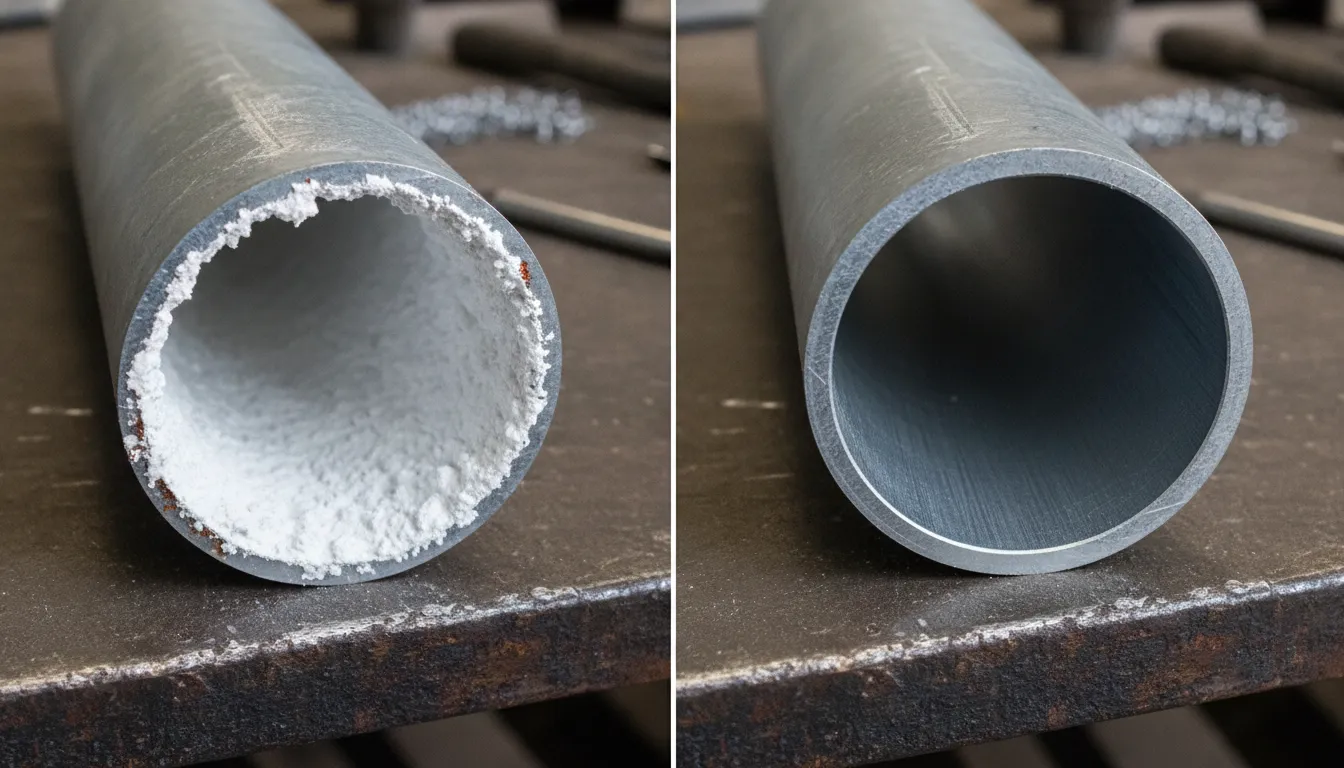
Hard water contains high levels of dissolved minerals, mostly calcium and magnesium. In the United States, more than 85 percent of homes have hard water. The Inland Empire is a prime case of this issue. Ground water in this area has high mineral levels. It often has more than 180 milligrams per liter of calcium carbonate, which makes it very hard.
When this water enters your home, the minerals do not just stay in the liquid. As the water gets hot inside your heater, these minerals turn into a solid form. This solid is known as calcium carbonate scale. It is the main cause of buildup in local water systems. Over time, this scale forms a thick, white crust inside your tankless unit. This crust can block the small pipes that carry water. It also clings to the sensors that control the heat. This makes the system fail more often over time.
How mineral scale impacts your heater
In a tankless unit, water flows through a narrow part called a heat exchanger. This part must move heat from a gas burner to the cold water. When scale coats the heat exchanger, it acts as a thick barrier. This layer prevents heat from moving easily into the water. Scale buildup in water heaters reduces energy efficiency and slows down the heating process.
This buildup also causes hard stress to your system. Because the scale is a barrier, the burner must fire hotter and longer to get the water to the right temperature. This leads to thermal stress on the unit’s parts. The metal can warp or crack under this extra heat. Without scheduling regular expert water heater solutions with Diamond House Plumbing, the heat exchanger may overheat or fail for good. Regular descaling is the only way to remove these tough deposits and keep the unit running well.
The hidden cost of lost maintenance
Scale does more than just damage the heater. It also hits your wallet. Even a thin layer of scale can make your water heater work much harder. Research shows that scale buildup can increase your water heating costs by a large amount. This is because the unit uses more gas or power to push heat through the mineral crust. You may notice your gas bills creep up month after month. Regular tankless water heater descaling ensures you keep the high efficiency that these modern systems are known for.
What Are the Common Symptoms of Tankless Water Heater Scale Buildup?
Mineral scale is a major threat to plumbing in the Inland Empire. Hard water carries calcium and magnesium that stick to the inside of your pipes. Over time, these minerals form a hard crust that acts like a blanket on the heating elements. Without regular professional tankless water heater maintenance, your unit works too hard, leading to major breakdowns. Spotting signs early and calling Diamond House Plumbing for urgent plumbing repairs saves you from a major breakdown. We regularly publish guides on our local plumbing blog to help you identify these warning signs early.
Sudden Water Heat Changes
One sign of scale is a change in water heat. You might feel hot water, then a burst of cold, then hot again. This is a “cold water sandwich.” It happens because mineral scale coats the heat exchanger inside your unit. This buildup blocks the smooth flow of heat into the water. The unit struggles to keep the heat steady as water moves through the system.
When scale gets thick, it slows down how fast the unit can heat the water. Your heater has to fire longer and hotter to get the job done. This puts a lot of stress on the metal parts inside the unit. If your hot water is not steady, you likely need tankless water heater descaling. This keeps your showers hot and your bills low.
Lower Water Flow and Pressure
Minerals do not just coat the heating parts. They also build up inside the narrow paths where water flows. As scale grows, the space for water to pass through gets smaller. This blocks water flow and lowers your home’s water pressure. You might notice that your shower head does not spray as hard. Tubs may also take longer to fill. This drop in flow is a physical sign that scale is clogging your system.
Low pressure is more than just a problem. It forces your unit to run more often to meet the demand. This leads to higher energy costs and more wear on the pump. Regular care keeps these paths clear and keeps your unit running well. Keeping the water moving freely ensures your unit stays in top form for many years.
Noises and System Error Codes
A healthy tankless unit should run quietly. If you hear ticking, knocking, or rumbling, you likely have scale. Small pockets of water can get trapped inside the mineral crust on the heat exchanger. As the unit heats up, this water turns to steam and tries to escape. This creates the popping and rumbling sounds you hear during a hot water cycle. These noises mean the scale is thick enough to trap moisture and air.
Modern units also use smart sensors to track how well they heat the water. If the sensors find that the heat is not moving into the water fast enough, they will trigger an alert. You might see codes like “LC” or a “scale” light on your control panel. Units may shut down if they get too hot. These codes warn that you need a deep clean to remove the mineral crust.
| Common Symptom | Direct Cause | Required Action |
|---|---|---|
| Cold Water Sandwich. | Scale coats the heat exchanger. | Full unit descaling. |
| Low Water Pressure. | Minerals clog narrow paths. | Flush the water system. |
| LC or Scale Error Code. | Sensors find low heat transfer. | Professional service call. |
| Popping or Rumbling Noises. | Water vapor in scale pockets. | Immediate descaling. |
| Flame or Ignition Failure. | Scale buildup on burner sensors. | Expert sensor cleaning. |
Supplies and Tools Used in Professional Tankless Water Heater Maintenance
To do a safe professional tankless water heater maintenance job, you need certain tools and supplies. Using the wrong items can damage the copper parts or leave tough scale behind. The experts at Diamond House Plumbing choose professional-grade gear that ensures a full flush without harming your system. You can read what our clients say about our careful attention to detail and safe procedures. This work is vital in the Inland Empire. The water here has many minerals and is often very hard. Without the right gear, you cannot fully clear the scale that builds up on the heating parts.
Choosing the Right Cleaning Liquid
The choice of cleaning agent is the first step in the tankless water heater descaling process. Many makers suggest using four gallons of straight white vinegar to clean the unit. This food-grade acid is mild and safe for home use, but it may take longer to break down thick scale.
For fast and deep results, experts use heavy-duty chemical liquids. Products like Hercules Haymaker are made to strip away calcium and magnesium fast. These liquids are mixed with water at set rates to be strong but safe for the metal parts. Using a professional grade agent ensures that even the tough layers are removed during the service.
Special Pumps and Service Hoses
A standard bucket and gravity are not enough to clear a tankless system. Experts use special submersible pumps to move the cleaning liquid. These pumps push the liquid through the narrow paths of the unit at a steady rate. Heavy-duty hoses with color marks link the pump to the heater. These hoses keep the flow tight and leak-free during the 30 to 45-minute cycle. Using a professional pump ensures that the descaling agent reaches every part of the heating coil to remove all buildup. This steady flow is key to breaking loose the scale that slows down your hot water.
Safety Valves and Filter Tools
Proper water heater maintenance depends on splitting the heater from the rest of the home. Safety valves allow the plumber to shut off the water supply to the house while keeping the heater open for the flush. This prevents the cleaning liquid from entering your drinking water lines. Since hard water has many minerals like calcium, these tools are vital for guarding your whole system.
Experts also use small brushes and tools to clean the cold water inlet filter. This filter catches sand and rust before it can enter the unit. Checking the pressure relief valve is another key part of the job. This ensures the unit stays safe and works at its best.
What Does a Professional Tankless Water Heater Descaling Service Include?
An expert tankless water heater descaling service is more than a quick rinse. It is a precise task that clears out hard mineral buildup. These minerals often clog pipes in the Inland Empire due to local hard water. A plumber uses special tools to make sure every part of the unit is clean and safe. By following a set list of steps, they help your unit run at its best.
The cleaning process
Our certified technicians at Diamond House Plumbing follow a meticulous, safety-first procedure to ensure your heating unit is thoroughly cleaned and fully optimized. Check out our portfolio of residential water heater services to see the quality of our service.
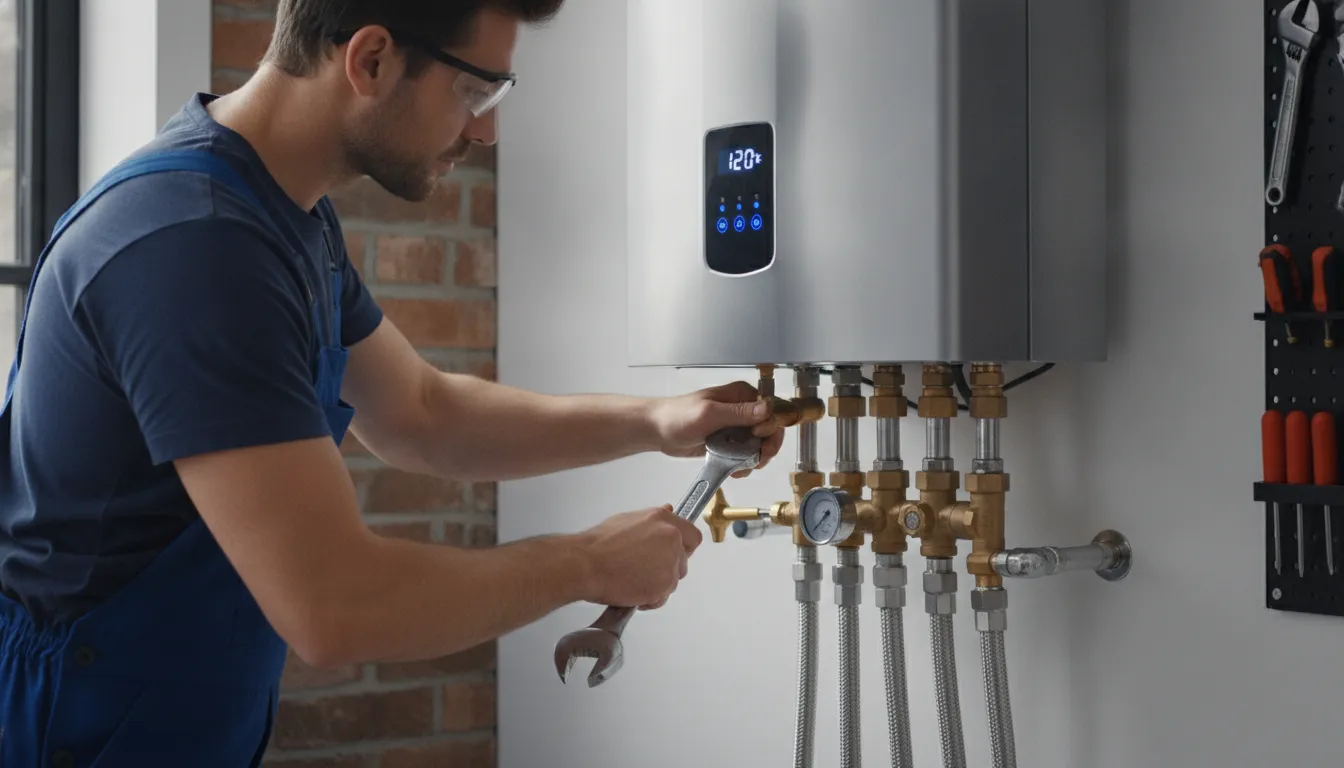
- Closing off the water heater: The plumber starts by turning off the power or gas to the unit. They close the water valves to keep the cleaning mix away from your home’s main water lines.
- Hooking up the pump and hoses: The tech connects two hoses to the service ports on the heater. One hose links the pump to the cold water port, and the other runs from the hot water port back into a bin.
- Running the cleaning mix: The pump moves a cleaning mix through the heat exchanger for 30 to 45 minutes. This time lets the mix break down scale that has built up over the year.
- Flushing with fresh water: After cleaning, the system gets a fresh water flush for 3 to 5 minutes to clear out all loose bits. This step is key because leaving acid behind can damage the copper pipes.
- Cleaning the water inlet filter: The plumber takes out the cold water filter to clear out sand, rust, and scale. A clean filter keeps a steady flow and stops the system from working too hard.
- Testing the pressure relief valve: The tech checks the safety valve to make sure it opens and seals without leaks. Experts at Energy.gov suggest this test to show the valve works for proper safety.
System safety and power
A full flush does more than just clean the unit. It also lets a plumber check for signs of wear that you might miss. For example, checking the pH level of the flush water helps show that all the mix is gone. Goal levels between 6 and 8 show that the water is safe for your home pipes. Routine water heater maintenance helps you avoid sudden breaks and high repair costs.
Expert care keeps your tankless water heater descaling on track. Plumbers have the right pumps and tools to do the job without harming the heat exchanger. This work keeps your unit fast and helps it last for many years. It is the best way to protect your home from the effects of hard water.
How Often Should You Schedule Tankless Water Heater Descaling?
Most makers say you should clean your tankless unit once each year. This task keeps the heat exchanger clear of hard minerals. If you skip this care, the unit can lose its efficiency and break down early. Regular cleaning also keeps your warranty active for many years.
Keeping a set plan for professional tankless water heater maintenance helps your home stay comfy. It also lowers your energy bills. A local technician from Diamond House Plumbing can check your water quality and customize a maintenance plan that ensures your system runs at peak performance all year long. We also share advice through helpful plumbing articles on our website.
Standard Guidelines for Yearly Care
In most homes, a yearly flush is enough to keep the system running well. This basic step clears out the minerals like calcium and magnesium that build up over time. These minerals form a hard layer called scale inside the unit.
This scale layer acts as a blanket that stops heat from moving into the water. As shown by the U.S. Department of Energy, even a small amount of scale can make heating costs go up by 15% or more. By flushing the unit every twelve months, you help the system work well and last longer.
Why Inland Empire Water Changes the Rules
Local water quality plays a big role in how often you need to flush your unit. In the Inland Empire, the groundwater is very hard. Data from the CDC shows that water in Riverside and San Bernardino often has over 180 milligrams per liter of calcium carbonate.
This level is much higher than what many other parts of the country see. Because the water is so hard, minerals build up twice as fast in your pipes and heat exchanger. This rapid buildup means a yearly visit may not be enough to protect your home.
If your water is very hard, you should descale your unit every six months instead of once a year. Heat exchangers in these areas can get too hot if scale gets too thick. This thick scale layer traps heat inside the copper tubes.
This extra heat puts stress on the metal parts and can cause them to crack or fail. By setting up a service visit twice a year, you protect your system from local water. Regular care helps you avoid a sudden loss of hot water and stops costly repairs.
Protect Your Hot Water System Today
Don’t wait for complete heating failure or high energy bills to take action. Diamond House Plumbing is your trusted local contractor for all water heater maintenance and installations across Riverside and San Bernardino County. Book your professional water heater descaling service today and keep your home’s hot water flowing perfectly.
When a Unit Needs Professional Repair Rather Than Maintenance
While routine flushing keeps your tankless water heater running efficiently, certain symptoms indicate a mechanical or structural failure that descaling cannot solve. Homeowners must distinguish between regular mineral buildup and serious component damage that requires a licensed technician’s diagnostic intervention from Diamond House Plumbing. Review complete water heater service options to see our success in full heater rebuilds and replacements. If your heater is actively leaking, contact our 24-hour emergency plumbing support team immediately. Attempting to flush a broken unit will not fix underlying physical defects and may worsen some issues.
Identifying Structural Failures and Cracked Heat Exchangers
The heat exchanger is the most critical and expensive part of any tankless water heater. Severe thermal stress from chronic scale buildup can cause the copper heat exchanger to overheat and crack. According to Rinnai manufacturer specifications, heat exchanger failure due to scale buildup is typically excluded from active warranty coverage and requires a full unit replacement. A cracked heat exchanger often manifests as water leaking from the bottom of the heater cabinet. Which is an immediate safety hazard that requires turning off both the water and power supply.
Burner Malfunctions and Gas Supply Complications
Another area where simple maintenance falls short is burner chamber damage. Professional plumbers inspect gas connections, burner flame patterns, and venting paths during a complete maintenance visit to ensure everything operates safely. If the burner flame is yellow or unstable instead of a crisp blue, or if the exhaust venting is blocked, a simple flush will not resolve the issue. These combustion and ventilation problems require professional adjustments to gas pressure valves or replacement of the ignition electrodes to prevent carbon monoxide hazards.
Recognizing Warning Signs of Internal Component Damage
Internal leaks, faulty sensors, and failing control boards also fall strictly under repair rather than routine maintenance. If your heater displays persistent error codes like ignition failure even after a thorough descaling, the issue is likely a damaged internal component. Corroded wiring, broken flow sensors, or failing gas valves cannot be descaled and must be physically replaced by a professional technician. Promptly addressing these structural repairs protects your home from potential water damage and ensures your tankless system operates safely and reliably for years to come.
Frequently Asked Questions
Is it better to use vinegar or a professional descaling solution?
Both options work well to remove scale. Pure white vinegar is a safe and common choice that many experts suggest. However, a professional cleaning fluid can break down tough mineral deposits faster. The right choice depends on how much scale has built up in your system. If you have not cleaned your unit in years, a stronger fluid might be the best way to restore full flow and heat.
Can I descale a tankless water heater myself?
No. While some homeowners might consider descaling a DIY task, manufacturers and safety codes strongly recommend against it. Descaling involves working with specialized chemical solutions, high-volume submersible pumps, and sensitive gas or electrical connections. Attempting this process yourself can void your manufacturer’s warranty, damage the expensive copper heat exchanger, or lead to dangerous gas and water leaks. It is always safer and more cost-effective to hire a licensed team like Diamond House Plumbing to handle your descaling service.
How long does the tankless water heater descaling process take?
The core part of the process, where the solution pumps through the unit, usually takes 30 to 45 minutes to finish. You should also plan for extra time to set up your gear and flush the system with fresh water when you are done. In total, most people should set aside one to two hours for the entire job. Taking your time ensures that all minerals are gone and the unit is safe to use again for your home.
How do I flush the system after descaling a tankless water heater?
Once you finish the cleaning, you must flush the unit with fresh water for at least five minutes. Close the flush valves and open the cold water inlet. This step is key to remove any leftover vinegar or cleaning fluid from the heat exchanger. It also pushes out loose bits of scale that could clog your pipes or faucets later. According to Rinnai, good flushing keeps your water clean and your heater safe.
Ready to Protect Your Tankless Water Heater?
Ignoring hard water scale in your unit leads to low heat and early system failure. This buildup blocks the flow and makes your heater work much harder. Fixing a broken heater costs much more than simple care. If you wait too long, you might need to buy a whole new unit for your home. Start today to keep your water hot and your energy bills low.
Our local team helps homes in Riverside and San Bernardino stay in top shape. You can save money and avoid the stress of cold showers by taking this small step now. We provide the expert care you need to keep your system safe and clean. Do not let scale ruin your home when the fix is so simple.
Ready to book? Contact Diamond House Plumbing to schedule a professional tankless water heater maintenance and descaling service today.

Leave a Reply