
Soggy soil pooling above a backyard leach field is a clear sign of septic failure. In the Inland Empire, homes built during the 1980s and 1990s are reaching the end of their system lifespans.
The average septic tank repair cost in Southern California ranges from $200 for minor line repairs up to $5,000 for severe structural tank damage. According to data from the Environmental Protection Agency, repairing or replacing a malfunctioning conventional residential system can cost between $5,000 and $15,000 on average. These wide plumbing price fluctuations depend on several local variables, including concrete tank material, regional municipal permits, and the structural integrity of your drain field. To avoid these extreme expenses, local homeowners must prioritize regular system pumping and professional septic inspections before small pipe leaks escalate into total system failures. Our experienced team at Diamond House Plumbing delivers honest consultation-based pricing to help you manage these essential home maintenance tasks without predatory sales pressure.
Navigating these unexpected sewage and plumbing expenses can feel overwhelming for local property owners throughout Riverside and San Bernardino counties. To help you budget effectively, we will answer the question: What is the average septic tank repair cost in Southern California? The path begins with
What is the average septic tank repair cost in Southern California?
When your toilet backs up or your yard smells like sewage, you need to know what you will pay to fix it. The average septic tank repair cost varies based on what has failed inside your system. While basic maintenance is cheap, structural repairs can quickly become expensive. Citing national averages can help you start, but local realities in Riverside and San Bernardino counties often change the final price.
National estimates versus local costs
The United States Environmental Protection Agency (EPA) notes that regular septic maintenance costs between $250 and $500 every three to five years. You can view their guidance on the EPA septic website. If you neglect these tasks, fixing a malfunctioning conventional system can cost between $5,000 and $15,000. Alternative septic systems often incur even higher repair costs.
National averages do not always match local market rates. In Southern California, factors like labor, permits, and specific soil types drive prices up. Many local homes were built in the 1980s and 1990s, meaning their systems are now at a prime age for failure. If you suspect a problem, a sewer camera inspection will find the exact issue.
Southern California and Inland Empire cost factors
Local factors dictate your final bill. Soil conditions in Riverside and San Bernardino counties can complicate excavation work because heavy clay does not absorb water easily. This issue places extra strain on your leach field and can shorten its lifespan. If your tank sits under concrete or mature trees, labor costs will rise.
System age is another primary cost driver since older steel and concrete tanks can crack over decades of use. Sometimes, continued repairs do not make sense. A municipal septic-to-sewer conversion can be a more cost-effective option for long-term savings. Our team at Diamond House Plumbing offers Inland Empire septic and sewer services to help you weigh these choices.
Comparing repair levels and options
Septic problems range from simple component fixes to complete system rebuilds. While minor pipe repairs are fast to resolve, moderate jobs like pump replacement require more labor. Major work involves fixing broken tank walls or treating a failing leach field. The comparison table below helps you evaluate your options.
| Repair Level | Estimated Cost | Typical Services | Key Considerations |
|---|---|---|---|
| Minor Repair | $200 – $1,500 | Fixing broken pipes, replacing tank lids, or clearing minor clogs. | Quick fixes that prevent larger issues down the road. |
| Moderate Repair | $1,500 – $4,000 | Replacing the effluent pump, repairing baffles, or fixing electrical parts. | Requires professional diagnostic tools to restore system function. |
| Major Repair | $4,000 – $8,000 | Sealing tank cracks or performing partial leach field repairs. | Soil conditions and system age will dictate repair success. |
| Replacement Level | $5,000 – $15,000 | Installing a brand new conventional septic tank and leach field. | High upfront cost but avoids ongoing, expensive repair bills. |
These price ranges are estimates and not final quotes. Accurate pricing depends on a professional on-site inspection of your system. If you face a backup, our team provides 24/7 emergency response for critical failures. We focus on transparent, consultation-based pricing to help you find the most cost-effective solution for your home.
The repair factors that move your estimate up or down
Diamond House Plumbing evaluates septic tank repair cost by checking the failure point, tank condition, access needs, soil conditions, and urgency of the service call. This on-site approach gives Inland Empire homeowners a clearer estimate than phone-only pricing because septic repairs depend on what is happening underground.
When your septic system fails, you need to know what you will pay. Your final septic tank repair cost depends on several details that we can only find on site. A remote quote often misses these critical issues. An on-site assessment is the best way to get a fair price.
The role of diagnostic testing
First, we must find the exact location of the damage. A plumber will use a sewer camera inspection to look inside the pipes. This step shows if you have a simple clog or a broken line. Knowing the true state of the pipes saves you money, and it guides our repair plan. If waste backs up into your home, we also must check for cracks in the tank walls.
Tank material and structural damage
The material of your tank plays a large part in the repair bill. Plastic and concrete tanks require different repair tools. If the tank has heavy structural damage, you might need a full replacement. According to the U.S. Environmental Protection Agency, repairing or replacing a conventional septic system can cost between $5,000 and $15,000. Alternative systems that use advanced treatment methods can cost even more to fix.
Smaller parts also affect your final bill. Baffles, risers, and lids are cheaper to fix than the main tank, but they are vital. For example, broken baffles can let solid waste slide into your leach field. If solids clog the leach field, the system will fail, and you will face a much higher bill.
Site access and regulatory permits
Getting to the tank is another factor that moves the estimate. If trees or patios block the tank, our crew must use special equipment to reach it. Hard access points increase the hours we spend on site. We must also secure municipal building permits before we can begin digging. These local fees vary by county and will add to your total project cost. Our team offers expert septic system services to handle these complex steps safely.
Critical issues do not wait for business hours. If raw sewage backs up into your home, you need immediate help. Our team is ready to respond to these emergencies, but an urgent callout can raise the overall price of the job.
When we evaluate your system, we look at several core details:
- System damage: Large cracks in the tank or a clogged leach field are costly to fix.
- Access ease: Patios, heavy trees, or deep soil over the tank will require more labor.
- Part needs: Replacing simple baffles or lids is much cheaper than replacing a full tank.
- Permit rules: Local counties require building permits for any major digging work.
- Timing: Emergency repairs on weekends or holidays carry extra service fees.
You should avoid quick phone quotes that promise a fixed price without seeing the system. Every septic system is different, and we must see the damage firsthand to give a fair price. Schedule an inspection with a local professional to get an honest quote.
When repair is enough and when replacement makes more sense
Diamond House Plumbing helps homeowners compare repair, replacement, and septic-to-sewer options based on system age, damage severity, property conditions, and long-term value. A targeted repair can be the right move for isolated damage, while repeated failures may make replacement or sewer connection more practical.
Deciding whether to patch your septic system or buy a new one is a major choice. Many Inland Empire homes built in the 1980s and 1990s have reached an age where septic systems start to fail. Homeowners face a clear choice. You must weigh immediate fixes against long term value.
Proper care is the first step to avoiding a total system failure. According to the EPA, regular septic system maintenance typically costs between $250 and $500 every three to five years. This small investment keeps your system running and helps you avoid sudden breakdowns.
Signs of a targeted repair
A targeted repair is often enough when the main tank remains in good shape. For example, you can replace a broken pipe, a clogged baffle, or a failed pump without replacing the whole tank. Your total septic tank repair cost will depend on details like tank material and structural damage.
A specialist can perform a sewer camera inspection to find the exact issue. This direct view helps find the problem before you agree to any work. Reliable local contractors recommend on-site visits because remote quotes cannot account for every unique detail.
Indicators for full replacement
When a system has structural damage or a failing leach field, a repair may not be enough. Severe issues can lead to groundwater backups, toxic leaks, or groundwater pollution. According to the EPA, repairing or replacing a conventional septic system costs between $5,000 and $15,000. If your system is old, putting money into multiple repairs is often a waste.
You should watch for clear signs of major system decline. These red flags often indicate that you need a full replacement rather than a quick fix:
- Frequent sewage backups into your home drains.
- Large pools of standing water over your leach field.
- Cracks or structural failure in an aging concrete tank.
Investing in a new septic system can protect your property and health. A broken system will lower your home value. It can also create legal issues. Spending money on a timely replacement protects your land and ensures long term safety.
The sewer conversion option
For some homeowners, connecting to a public sewer line is the best option. A septic-to-sewer conversion project is often more cost effective than fixing an old system that keeps breaking down. You will no longer need to worry about pumping the tank or maintaining a leach field. This shift removes the burden of managing waste treatment on your own land.
In Southern California, a sewer connection is not always a choice. Some local cities make sewer conversion a mandatory requirement for homes near public lines. Working with a skilled Inland Empire septic and sewer services provider ensures you meet all local rules. An expert team will guide you through the steps and help you transition smoothly.
What happens during a professional septic repair estimate?
During a professional estimate, Diamond House Plumbing reviews maintenance history, inspects accessible components, uses diagnostic tools when needed, explains the likely cause, and outlines repair options. The goal is to replace guesswork with clear findings so homeowners understand the work before approving the repair.
Homeowners often worry when they need a septic repair. You might wonder how a technician evaluates your system and determines the final septic tank repair cost. A professional visit is a structured process designed to find the exact issue without guesswork. Experienced technicians use advanced tools to check every part of your system before they suggest any work.
Preparing for the on-site visit
Before the technician arrives, you should gather any past maintenance records. These files help the specialist understand the history of your system. When the team arrives at your home, they will start with a friendly discussion about your current issues. This intake phase helps them narrow down where the malfunction might be.
Six steps of a professional septic estimate
- Step 1: The initial consultation. The team discusses your system history and any active problems like slow drains or odors. This initial conversation helps technicians understand what to look for during the physical check.
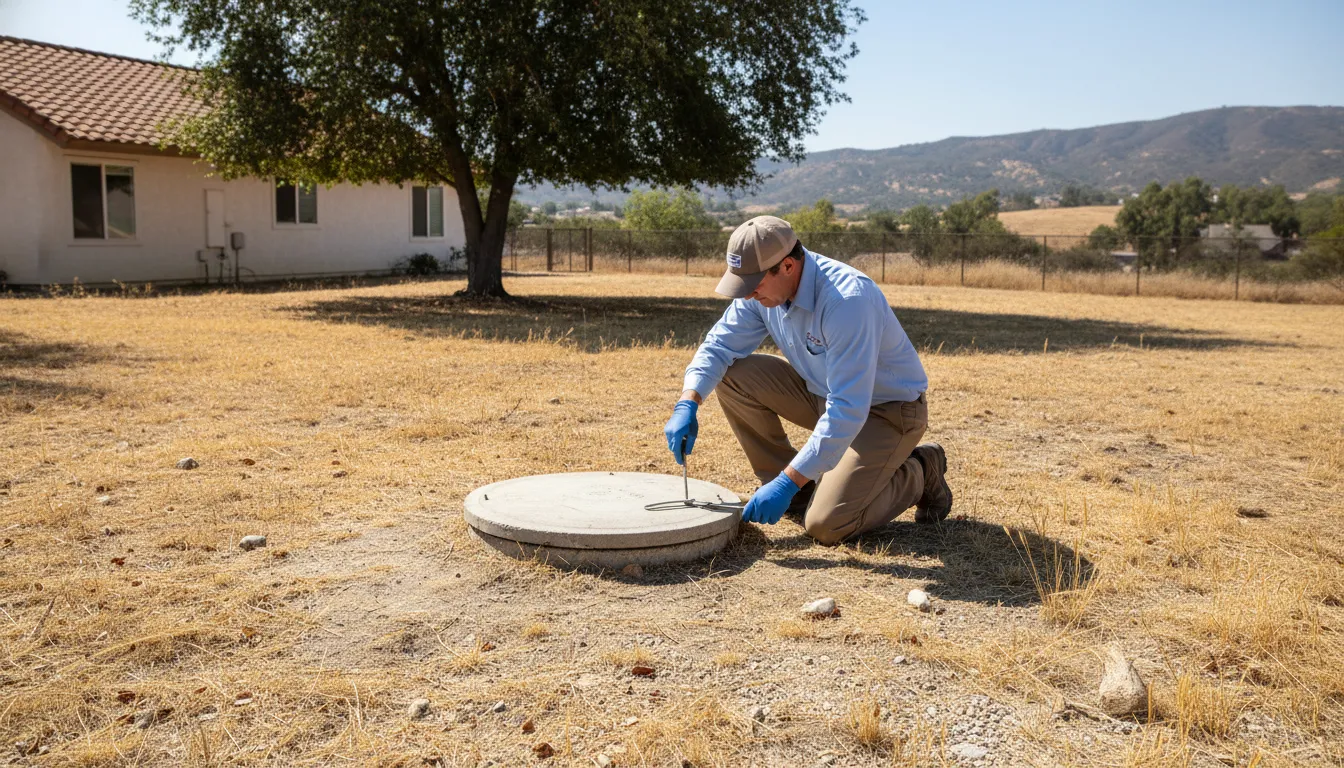
- Step 2: Locating the septic tank and components. Technicians use electronic locators or soil probes to find the exact spot of your underground tank. They will also locate your lid and the leach field to prepare for a full diagnostic review.
- Step 3: Conducting a sewer camera inspection. A technician feeds a high-resolution camera into your sewer lines to check for cracks, roots, or blocks. A detailed sewer camera inspection shows the internal condition of your pipes without any digging.
- Step 4: Assessing the tank and effluent levels. The specialist opens the tank lids to inspect the liquid levels and check the baffle walls. Under federal guidelines, you must get regular inspections to check how your tank handles waste. The tank must hold wastewater for at least 24 hours to separate solids properly, as noted on the EPA website.
- Step 5: Defining the scope of septic repairs. Once the inspection is complete, the plumber finds which parts need immediate attention. They will outline whether you need a simple pipe repair, a new baffle, or a more extensive fix.
- Step 6: Providing a transparent price quote. The technician gives you a written cost sheet that details labor and parts. Local specialists suggest getting an on-site consultation because remote quotes cannot account for unique soil or tank variables.
Understanding your repair choices
A professional evaluation should always offer options instead of a single forced path. If your tank has severe damage, the specialist may talk about a septic-to-sewer conversion. In some Southern California neighborhoods, this conversion is a municipal requirement rather than a voluntary homeowner choice. An expert contractor will help you navigate local rules and find the most cost-effective solution for your home.
Reputable plumbing companies build trust with local homeowners through honest, consultation-based pricing. They avoid high-pressure sales tactics and explain the actual septic tank repair cost before any work begins. If you live in Riverside or San Bernardino counties, you should work with an Inland Empire septic and sewer services provider. A local specialist will make sure your repairs meet county standards and keep your home safe.
How can homeowners avoid expensive septic repairs?
Diamond House Plumbing recommends routine pumping, early inspections, careful water use, and fast response to odors, backups, or soggy soil. Preventive septic care usually costs far less than emergency excavation, leach field restoration, or full tank replacement.
Homeowners are responsible for the upkeep and operation of their home wastewater systems. Failing to maintain your system can lead to massive expenses. While a standard septic system services plan keeps things running, neglect can force you to pay for full restoration. Indeed, a major septic tank repair cost can range from $5,000 to $15,000 for a conventional design. Spending a small amount on prevention now keeps thousands of dollars in your pocket later.
Routine inspections and pumping
Regular checkups are the first line of defense against system breakdown. The EPA states that a standard maintenance check costs about $250 to $500 every three to five years. During this visit, an expert will measure the sludge and scum layers to see if your tank needs pumping. This service is a major bargain compared to replacing ruined pipes or dealing with back-ups.
Pumping frequency is not a guessing game. It depends on your household size, water use, and your tank size. In the Inland Empire, many homes built in the 1980s and 1990s face high risks of system failure. If you neglect periodic pumping, solids will clog your leach field. Having an Inland Empire plumbing specialist look at your system is the best way to determine your pumping schedule.
Water conservation and flushing habits
Your septic tank needs time to do its job. A septic tank must retain wastewater for at least 24 hours to allow solids to settle. Overloading your system with heavy water volume pushes solids out of the tank before they can settle properly. This untreated waste can ruin your soil and drain field. You can conserve water by using efficient showerheads and fixing leaky faucets.
Your drain is not a trash can. Homeowners must ensure that household waste does not harm the helpful bacteria inside the tank. Flushing plastic, diapers, or chemicals kills these micro-organisms. If these microbes die, solids will build up and clog your pipes. Avoid pouring cooking grease, gasoline, or strong cleaners down your sink.
- Cooking grease and fats
- Baby wipes and paper towels
- Paints and harsh household chemicals
- Feminine hygiene products
Keep a trash can in your bathroom to make safe disposal easy for your family.
Early warning signs and property value
Ignoring small plumbing issues can turn minor blockages into a costly disaster. If you notice pooling water on your lawn, foul odors, or slow drains, you should call for help right away. A quick sewer camera inspection can find blockages before they cause sewage to back up into your home. Acting quickly prevents groundwater contamination and keeps toxic waste out of local streams.
A failing system does more than create health hazards. It can also hurt your wallet by decreasing your home value and creating legal liabilities. If your system is old and failing, a septic-to-sewer conversion project may save you money over time. Scheduling an on-site expert consultation is the safest way to get an accurate estimate for your home.
Southern California septic cost mistakes to avoid
Southern California homeowners can keep septic tank repair cost under control by avoiding remote quotes, delayed service, unverified contractors, and assumptions about local sewer requirements. Diamond House Plumbing provides local guidance for Riverside and San Bernardino County properties where soil, permits, and access can change the final estimate.
Risks of remote estimates and delayed repairs
Many homeowners in Riverside and San Bernardino counties want quick pricing when they spot system issues. But accepting a phone-only quote is a major risk. A septic tank repair cost depends on site-specific issues like tank material and structural damage. Accurate estimates require an on-site consultation to see actual system conditions. Professional contractors cannot see underground problems without being on your property.
Delaying service after you smell foul odors or see wet spots also drives up costs. A small leak or block can quickly turn into a total system failure. Fixing a broken conventional system can run between $5,000 and $15,000 according to the U.S. Environmental Protection Agency. Acting fast when you see signs of trouble helps you avoid these large bills. Watch for these common warning signs that require immediate action:
- Slow-draining sinks, tubs, and toilets in your home.
- Gurgling sounds coming from your home drainage pipes.
- Pooling water or soggy spots in the grass near your tank.
- Bad odors rising from the yard or drain fields.
Comparing quotes without clear project scope
Comparing estimates without a clear project scope is another common error. Some local contractors offer low rates to get started. They might only cover basic pumping but miss the structural repairs you actually need. You should always ask for a written list of what is in the bid. That way, you know you are comparing actual repair work rather than just basic pumping.
To find hidden problems, you should get a professional sewer camera inspection. This tool shows the exact state of your pipes and tank on a screen. This helps you avoid paying for repairs that are not needed. By using these clear scans, ethical contractors can build honest and accurate quotes. You will get an accurate picture of what needs to be fixed before any work starts.
Leach fields and municipal sewer lateral realities
Many property owners focus only on the tank and ignore the leach field. But a clogged field stops the whole system. It can cause wastewater to pool in your yard or back up into your home. Replacing a leach field is often the most expensive part of a repair. Ignoring soil health and system load will make these costs worse.
Finally, you must consider septic-to-sewer realities. In Southern California, some cities require you to connect to the public sewer. In these cases, a septic-to-sewer project is a mandate rather than a choice. We can help you evaluate your options and provide specialized Inland Empire septic and sewer services to meet local codes. Making these decisions early will protect your property and keep your costs down.
Frequently Asked Questions
What are the signs of septic tank failure?
Common signs include pooling water over your drain field, slow-draining toilets, and foul sewage odors in your yard. Inside, you may notice persistent plumbing backups. According to the EPA, failing systems can release untreated sewage that contaminates groundwater, threatening local water quality. Neglecting these warnings can lower your property value and create severe legal liabilities.
How can I prevent expensive septic repairs?
You can avoid high repair costs by scheduling regular septic inspections and professional pumping. The frequency of pumping depends heavily on your household size and system usage. Homeowners should also monitor what materials go down their household drains to protect the system’s biological balance. Spending between $250 and $500 every few years on septic system maintenance will prevent catastrophic system failure.
When should I hire a professional for septic repair?
Homeowners should hire a professional plumber the moment they notice slow drains, wet patches in the yard, or gurgling pipes. An on-site inspection is necessary because remote quotes cannot account for unique system variables. Experienced technicians use advanced diagnostics like camera inspections to find the exact source of damage. If you face a backup, you must contact an Inland Empire plumbing specialist immediately for emergency assistance.
Ready to schedule a professional septic system evaluation?
Ignoring minor septic tank leaks on your Southern California property can quickly lead to messy yard flooding, biohazards, and complete system failure. Scheduling a professional inspection today helps you prevent these minor underground issues from destroying your entire leach field or ruining your residential landscape. Our experienced local specialists will find the exact problem to keep your Inland Empire home safe, clean, and fully functional for many years to come.
Ready to book? Please schedule a septic system evaluation to protect your property and secure peace of mind. Our family-owned plumbing team is ready to deliver honest, reliable service throughout all of San Bernardino and Riverside counties. Contact us today to get started.

Leave a Reply