
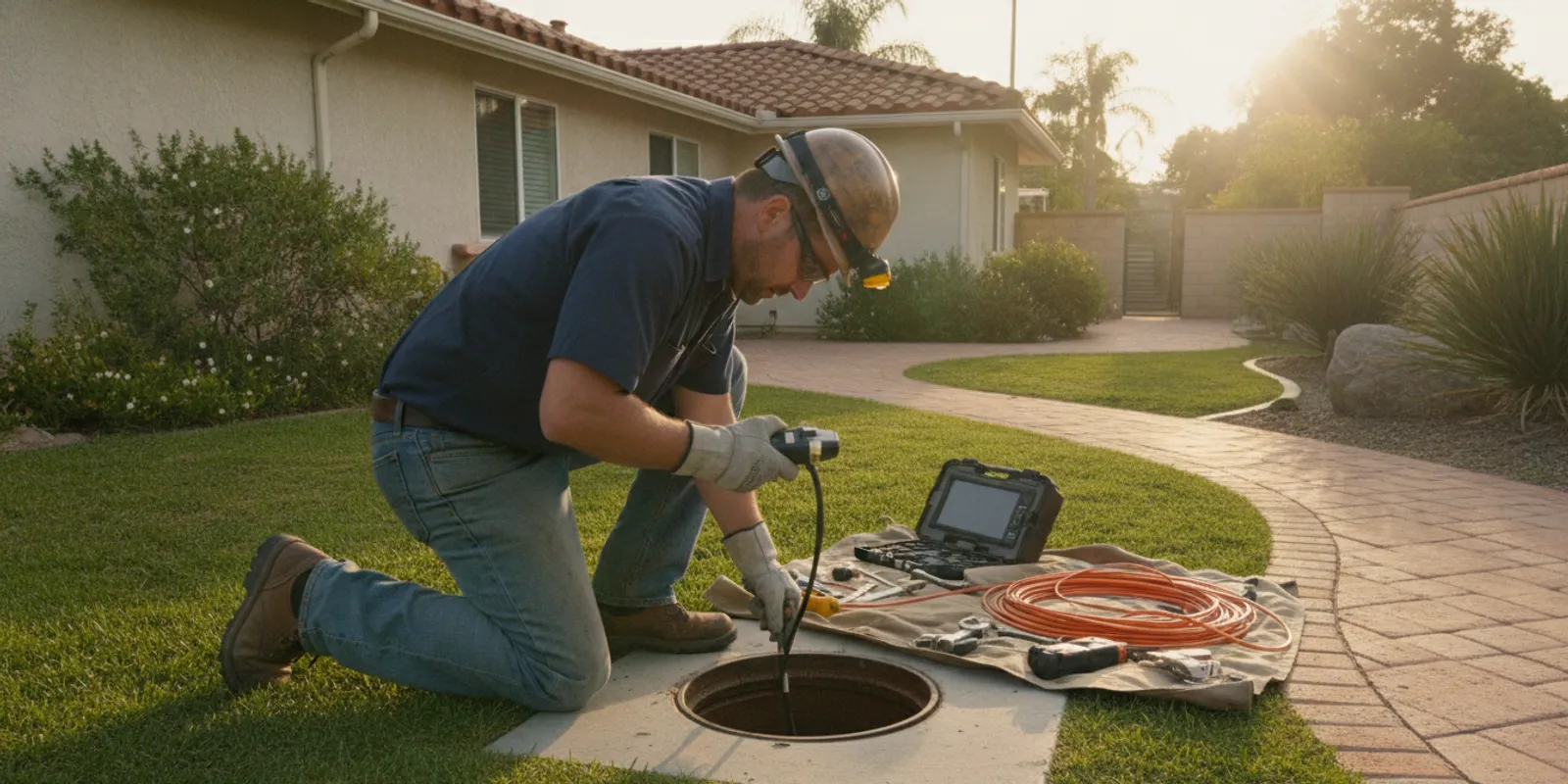
A sewer lateral problem can turn urgent when wastewater backs up into a building, a pipe releases sewage outdoors, or several drains stop working at once. If you need emergency sewer lateral repair, focus first on limiting exposure and stopping avoidable water use. Then give the plumber clear information about what happened and where you see symptoms. A fast response can help protect the property, but the right repair depends on the line’s condition and the location of the failure.
Contact a plumber about the sewer problem
What makes a sewer lateral problem an emergency?
A sewer lateral carries wastewater away from a property and toward the public sewer connection. Its route and the division of maintenance responsibility vary by property and local agency. A blockage or damaged section can affect one fixture, multiple drains, or the building’s sewer connection. The visible symptom alone does not identify the exact fault.
Consider the situation urgent if wastewater is backing up through a floor drain, tub, toilet, or other low fixture; sewage is escaping into a building or yard; or multiple fixtures are draining poorly at the same time. A strong sewage odor or a wet area that appears to contain wastewater also deserves prompt attention. Keep people and pets away from suspected sewage, especially where it has contacted indoor floors or frequently used outdoor areas.
A single slow sink may have a local fixture or branch-drain cause instead. But if other fixtures begin to gurgle or back up, the problem may be farther along the shared drain path. Do not assume the lateral is broken until it has been evaluated. A professional may need to inspect the pipe to distinguish a blockage, a defect, or another plumbing issue.
Consider the pattern, not just the most visible symptom. If a toilet flush is followed by water rising in a nearby tub, the fixtures may share a restricted drain path. If plumbing throughout the property is affected, the obstruction or failure may be farther downstream, though only an inspection can confirm that. If an outdoor wet patch appears without an indoor backup, do not conclude the line is harmless; avoid the area and report what you see. A plumber needs to compare fixture behavior and visible conditions with the layout and inspection findings.
For multi-unit buildings or commercial sites, tell the property manager and check whether neighboring spaces have the same symptoms. A shared line can affect more than one tenant, and coordinated water-use restrictions may prevent additional discharge. Do not delay calling for help while trying to establish whether the issue is confined to one suite.
What should you do while waiting for help?
- Stop adding water to the system. Ask occupants to avoid flushing toilets, running sinks, using showers, and operating appliances that discharge water. Continued use can add wastewater behind an obstruction or into a damaged line.
- Keep people away from sewage. Do not touch or attempt to clean wastewater without appropriate training and protective equipment. Keep children and animals clear of affected rooms or yard areas. If sewage has reached an occupied interior space, avoid walking through it.
- Make the area accessible without disturbing it. Move vehicles or loose items only if it is safe and does not require walking through wastewater. Do not dig, lift a heavy access cover, or enter a pit or confined space. Leave the suspected line and access points for the responding professional.
- Note what changed. Record which fixtures are affected, when the issue began, whether it followed heavy water use or other work, and whether water is still appearing. Photos taken from a safe, dry position can document visible conditions.
- Call for professional assessment. Describe any active backup or release clearly so the company can understand the urgency. If you believe the public sewer main or another utility is involved, contact the relevant local agency as well as a plumber; responsibility and reporting procedures vary by location.
Avoid pouring chemical drain products into a backed-up fixture or lateral. They may not reach the cause, and chemicals left in standing water can create an additional hazard for anyone who later opens or services the line. Do not keep testing the plumbing by running water after a backup has started.
What details help the plumber respond?
A short, accurate description helps the service team prepare for the visit. Share the property address, the best entry point, and a callback number. Then explain the symptoms in order: which fixture first showed trouble, which other fixtures are now affected, whether wastewater has entered the building, and whether the condition is getting worse.
- Say whether the property is residential or commercial and whether people are currently using the affected area.
- Identify any visible pooling, odor, wet ground, or backup, and note its location without approaching it.
- Tell the plumber if the issue began after recent plumbing, landscaping, construction, or sewer work.
- Mention any known cleanout or prior inspection, but do not open access points yourself.
- Ask what access the crew will need and whether occupants should avoid all water use until the visit.
For a business, also explain which restrooms, kitchens, or work areas are affected and whether normal operations have stopped. This helps the team understand the site constraints. Keep employees and visitors away from affected spaces, and follow any property safety procedures while waiting.
How is an emergency sewer lateral repair assessed?
The first visit is about identifying the immediate condition and finding a safe, workable response. The plumber may ask about the backup, check accessible fixtures and cleanouts, and determine whether the symptoms point toward a branch drain, building drain, lateral, or another part of the system. The inspection method depends on access, the observed conditions, and the equipment appropriate for the line.
A sewer camera inspection can help show the interior of an accessible pipe and locate issues such as an obstruction, separation, deformation, or root intrusion. It does not automatically establish every cause or the full extent of damage. The camera’s view can be limited by standing water, debris, pipe configuration, or access. When appropriate, the plumber can explain what the images show and whether further testing or exposure is needed.
Before work begins, ask the plumber to explain the immediate problem, the proposed action, and what remains uncertain. If temporary measures are suggested, clarify what they do and do not resolve. A temporary step may restore limited drainage or reduce an immediate risk, but it should not be confused with permanent repair when the pipe itself remains damaged.
When considering repair methods, ask how the condition, pipe material, depth, access, and location affect the options. A comparative test by IKT discusses testing of injection and top-hat methods for repairing sewer lateral connections. That is useful context about specific connection-repair approaches, not a rule that one method suits every lateral: read the IKT comparative test. The plumber should relate any proposed technique to the observed defect and conditions at your property.
How do emergency responses and permanent repairs differ?
Emergency response and permanent correction are connected, but they are not always the same task. The urgent priority is to address active wastewater movement or loss of drainage and identify the likely source. The lasting solution may require a more complete inspection, repair planning, access work, or coordination with a property manager or local agency.
| Stage | Main purpose | Questions to ask |
|---|---|---|
| Initial response | Understand the active backup or release and identify immediate risks. | What should occupants stop using? Is there an immediate safety concern? |
| Diagnosis | Locate the affected section and distinguish a blockage from pipe damage or another cause. | What evidence identifies the location? Is the inspection complete or limited? |
| Temporary measure, if appropriate | Address an urgent condition while a full repair is planned. | What does this resolve, what remains, and what follow-up is needed? |
| Permanent repair planning | Select a repair scope based on the confirmed condition and site constraints. | Which methods are suitable, what access is required, and what work is included? |
| Closeout | Confirm the work performed and clarify any remaining monitoring or restoration. | What was repaired, what was tested, and what should prompt another call? |
Ask for the proposed scope in writing before authorizing non-emergency follow-up work. The description should identify the portion of the line involved, the planned method, access or excavation needs, and any work that is not included. If conditions change after access is gained, ask the plumber to explain the new finding and obtain approval for a revised scope before proceeding.
A trenchless approach may be considered in some circumstances, but the label does not make a method appropriate for every pipe or defect. Access, pipe condition, line geometry, and the repair objective all matter. Compare the explanation of the recommended method with the actual inspection findings. For broader context on options, see this guide to trenchless sewer line repair and the overview of sewer lateral replacement.
What can affect the response and repair plan?
Several practical details can shape how quickly the source is found and what work is possible. The distance from the access point to the suspected issue, depth of the line, landscaping or hardscape above it, and proximity to a building or public area can affect access. Pipe material and condition also matter. A camera inspection may reveal a defect, but the crew may need additional access to confirm its extent.
Property type affects coordination. A homeowner may need to arrange access to a yard or interior cleanout. A commercial property may need a plan that accounts for customer areas, operating hours, shared facilities, or a property manager. If the suspected issue crosses a boundary or involves public infrastructure, confirm which agency or party must be involved rather than assuming the same rules apply everywhere.
Conditions in the field can differ from what a surface symptom suggests. A blockage may be upstream of the lateral, while a damaged lateral may allow wastewater to escape without an obvious indoor backup. The assessment should connect the symptom to evidence from the affected plumbing, rather than treating every sewer odor or slow drain as proof of a lateral failure.
How can you choose the right next step after the emergency?
Once the immediate issue is under control, keep the written findings and any inspection images or video provided. Ask what section was examined, what defect was observed, and whether the inspection reached the property connection or only part of the route. If the service was limited to restoring flow, ask whether a separate evaluation is recommended to determine why the problem occurred.
Check the proposed repair against the documented condition. A clear estimate should distinguish diagnosis from repair work and state what access, restoration, and follow-up are included. If the cause or scope is uncertain, ask what further inspection would clarify it and what decision depends on that information. You can also ask whether the line should be rechecked after the repair and what signs merit another call.
For service context, Diamond House Plumbing provides drain and sewer services and information about its septic services. A lateral connected to a public sewer is different from an onsite septic system, so explain which type of property connection you have when requesting help. If you are uncertain, share the property details and symptoms rather than guessing at the system type.
Frequently asked questions
Should I keep using water if only one drain is backing up?
Stop using the affected fixture and avoid unnecessary water use until the cause is clearer. If multiple fixtures become affected or wastewater appears elsewhere, treat the situation as more urgent and contact a plumber. Do not repeatedly flush or run water to test a suspected blockage.
Can a camera inspection confirm a broken lateral?
A camera can provide useful visual evidence inside an accessible pipe, but the view may be limited and may not show the entire condition or its cause. Ask what portion was inspected, what the footage demonstrates, and whether further assessment is needed before selecting a repair.
Is every sewer backup the property owner’s responsibility?
No single responsibility rule applies to every property. The line’s location, local agency requirements, property arrangement, and cause can matter. Ask the local sewer provider or relevant agency about its responsibility boundary if the problem may involve public infrastructure, and have a plumber identify the affected section.
What information should I get before approving a lasting repair?
Request the diagnosis, location and extent of the defect, recommended method, access needs, work included, and any limitations. If the initial visit addressed only an active backup, ask whether a separate inspection or written scope is needed for permanent work.
Request help with a sewer lateral concern
When wastewater is backing up or escaping, limit water use, keep people clear of affected areas, and get a professional assessment. A documented diagnosis can help you distinguish an urgent temporary response from the permanent work the property may need.

Leave a Reply