
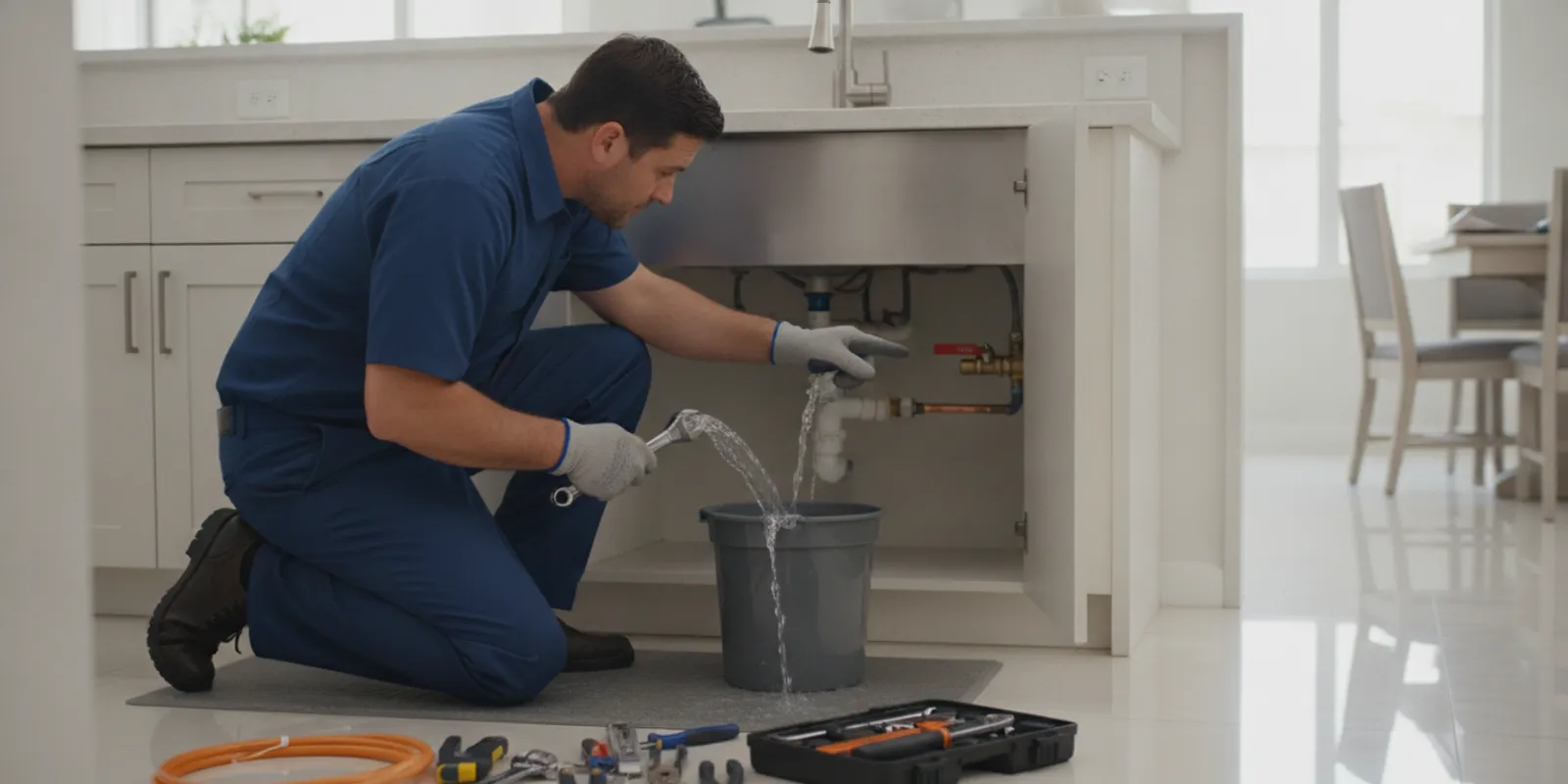
Emergency plumbing services address active failures that threaten people, property, sanitation, or essential water use. A burst pipe, sewage backup, or leak that is spreading usually needs prompt attention; a contained drip or fixture that can be safely isolated may be scheduled less urgently. The key is to assess what is happening now, what could worsen, and whether you can safely limit further water or wastewater flow.
What counts as an emergency plumbing problem?
A plumbing problem is urgent when water or wastewater is moving where it should not, a system failure is worsening, or the building cannot safely use essential plumbing. The fixture involved is only part of the picture. The speed of change, the extent of the affected area, and the ability to contain the issue all help determine priority.
Situations that commonly call for prompt professional attention include:
- A burst or rapidly leaking supply pipe that cannot be stopped at an accessible fixture valve.
- Water spreading across floors, into walls or ceilings, or toward electrical equipment.
- Sewage or wastewater backing up through a toilet, tub, floor drain, or other fixture.
- A sudden loss of water at several fixtures, especially when paired with a visible leak or known plumbing failure.
- A water-heater or plumbing-equipment leak that is actively flooding the surrounding area.
- A commercial plumbing failure that has made a restroom, work area, or essential fixture unsafe to use.
Not every inconvenient plumbing issue is an emergency. One slow faucet drip, a running toilet that can be shut off, or a clogged fixture while other drains work may allow time for a scheduled visit. But the priority can change. A small leak that reaches a cabinet or floor, a blockage that begins affecting more fixtures, or a fixture that cannot be isolated deserves a fresh assessment.
For residential plumbing concerns that are not actively worsening, see the overview of residential plumbing services. When the problem involves a shared drain, sewer, or recurring backup, the drain and sewer service page explains the relevant service area.
Which warning signs should you take seriously?
Look beyond the fixture where the symptom first appeared. Several slow drains at once may suggest a shared drainage issue rather than separate fixture clogs. Wastewater returning through a low drain, repeated toilet backups, or a sewage odor alongside other symptoms warrants prompt attention. For a property on a septic system, a backup or unusual wet area can also require assessment; repeated flushing or heavy water use may add to the problem.
Use the table below to organize what you observe. It is a prioritization aid, not a remote diagnosis. A plumber may need to inspect the affected plumbing before determining the source or repair.
| Situation | Priority clue | Useful next step |
|---|---|---|
| Small leak at one fixture | Flow is slow, contained, and stopped by a local valve | Limit use of the fixture and arrange service; monitor for change |
| Active pipe leak or flooding | Water continues spreading or the shutoff is unclear | Stay clear of electrical hazards and request prompt plumbing help |
| Drain or toilet backup | Wastewater affects multiple fixtures or returns after use | Stop using affected fixtures and describe each symptom when calling |
| No water at several fixtures | Interruption affects much of the property or accompanies a leak | Check whether the issue is limited to the property, then seek an assessment |
| Water-heater leak | Water is actively releasing or damaging the surrounding area | Avoid hot or electrical components and request service |
Pay attention to changes over time. Note whether the water is still flowing, whether an affected drain improves or worsens when another fixture is used, and whether the problem has happened before. These observations help a plumber understand the situation without requiring you to identify its cause.
What should you do before help arrives?
Focus first on personal safety and limiting further water use. Do not take risks to reach a valve or equipment in a flooded, contaminated, hot, or electrically unsafe area. If you suspect an immediate danger from electricity, gas, or structural damage, move away and contact the appropriate emergency utility or public-safety service.
- Keep people away from hazards. Move children and pets away from standing water, sewage, damaged areas, and hot equipment. Avoid walking through water if it may be contaminated or near outlets, cords, appliances, or a service panel.
- Stop using affected plumbing. Do not flush, run taps, or operate appliances that drain into a backed-up line. If wastewater is returning through one fixture, using another connected fixture may worsen the overflow.
- Shut off water only when safe. If a readily accessible fixture valve can stop a local leak, turn it off gently. If flow continues or the valve is inaccessible, do not force a fitting. A main shutoff may stop water to the building, but operate it only if you can reach it safely and know how.
- Protect belongings without entering danger. Move items only from a dry, safe area. Take photographs from a safe location if useful for your records, but do not handle sewage-contaminated items or approach electrical hazards.
- Give a clear description when you call. State what is leaking or backing up, when it began, whether the flow can be isolated, which fixtures are affected, and whether the property uses a septic system.
For a fuller arrival checklist, read what to do before an urgent plumber arrives. If symptoms suggest a blockage beyond one fixture, the main sewer line guide can help you recognize which observations to share. These pages are informational; follow the immediate safety advice given by relevant emergency services when hazards are present.
Sewage and contaminated water should be treated cautiously. The Centers for Disease Control and Prevention provides public-health information and guidance on its official website. Avoid contact with wastewater, and ask appropriate public-health or emergency services for guidance if a person may have been exposed.
How do you decide whether to call now or schedule service?
Consider four questions together rather than relying on a single symptom:
- Is damage actively increasing? A continuing flow, expanding wet area, or wastewater overflow raises urgency. A stable, contained drip may be handled differently if you can keep the area dry and monitor it.
- Can the problem be isolated safely? A closed fixture valve may contain a local leak. If water continues, the valve is difficult to reach, or you are unsure whether it is safe to operate, explain that when requesting help.
- Are multiple fixtures or areas affected? Several drains backing up or water loss throughout a building can indicate an issue beyond one fixture. Report the pattern and avoid using affected plumbing while waiting.
- Does the situation create a health, safety, or access concern? Sewage, standing water near electrical equipment, or loss of essential plumbing changes the practical priority, particularly in a business or a home with occupants who need accessible facilities.
For example, a slow leak under a sink that stops when its valve is closed and remains within a dryable cabinet is different from water continuing to run into a wall. In the first case, keep the fixture out of use and arrange an appropriate visit. In the second, treat the active spread as urgent, avoid the wet area if electrical hazards are possible, and tell the plumber that the leak continues despite attempted isolation.
Similarly, one toilet that clogs while other drains work is not the same symptom as a toilet that backs up while a tub or floor drain also shows wastewater. Stop using the affected fixtures and describe the full pattern. Do not assume the cause is a main line or septic system until an inspection confirms it.
How does urgency differ by property and plumbing system?
The same visible symptom can have different effects depending on where it occurs. A leak in an unused storage area that has been safely isolated is different from water spreading above an occupied room, even if both began at a pipe connection. Describe the location and who uses the area, as well as the plumbing symptom itself.
In a home, consider whether the problem affects a bathroom, kitchen, or another fixture needed by occupants. If one toilet is unavailable but other plumbing works and there is no active overflow, the situation may be manageable while arranging service. If wastewater is returning into living space or several drains are affected, stop using those fixtures and request prompt assessment.
In a business, the impact may extend beyond the damaged pipe. A restroom closure, active leak near electrical equipment, or wastewater in a customer or staff area may require the affected zone to be closed while the issue is assessed. Avoid directing people through a wet area. Tell the plumber what has been taken out of use and whether other parts of the building remain accessible.
For a property served by septic, explain that detail at the start of the call. A backup, unusual wet area, or change in how the system is operating may need a different assessment than a fixture-only clog. Avoid assuming the tank is the source or repeatedly running water to test the system. Clear observations and a description of the system help guide the next question.
What happens during an emergency plumbing visit?
The first objective is to understand the immediate condition and make the area safer. The plumber will ask what happened, which fixtures are involved, when symptoms began, and what actions have already been taken. An inspection helps identify which part of the plumbing is affected and what practical next step is appropriate.
Depending on the reported problem, the assessment may involve:
- Locating the active leak or point where water or wastewater is escaping.
- Checking nearby fixtures or connected drains for related symptoms.
- Determining whether the immediate problem can be contained and whether further testing is needed.
- Explaining what has been observed, what remains uncertain, and the repair options before work proceeds.
Ask whether the recommendation addresses the immediate symptom, the underlying cause, or both. If additional evaluation is proposed, ask what question it is intended to answer. For example, a sewer camera inspection may be relevant when an internal sewer-line assessment is appropriate. It is not necessary for every drain or plumbing problem.
If the symptoms point toward a septic system, describe the system and any recent changes in use or maintenance. The septic services overview provides more information about that area of plumbing work. For a water-heater issue, use the separate water-heater service page as a reference, while avoiding contact with hot water, electrical connections, or equipment that appears damaged.
How can you prepare for a service call?
A few precise details can make the initial conversation more useful. Write down when symptoms began, whether they are constant or intermittent, and which fixtures or rooms are affected. Mention prior repairs, recurring backups, unusual sounds or odors, and any steps already taken to shut off water or stop fixture use. If a chemical drain product or another substance has been added, report what it was and when.
If it is safe, clear a path to the affected fixture or a known plumbing access point. Do not open equipment, remove covers, enter a flooded area, or disturb plumbing components to prepare. Keep photographs and notes available, but do not delay a call to document a problem that is actively worsening.
For a commercial property, identify the affected restroom, floor, work area, or drain. Consider whether normal use should pause in that zone, and keep staff and customers away from wet or contaminated areas. Tell the plumber whether the issue affects one fixture or a shared area and whether the business can continue operating safely elsewhere.
How can property owners reduce the chance of another urgent problem?
No maintenance routine prevents every plumbing failure, but good records and early attention can make changes easier to spot. Keep notes about recurring slow drains, past leaks, repairs, and system assessments. A symptom that returns repeatedly deserves attention rather than being treated as a series of unrelated inconveniences.
Use drains for their intended purpose; avoid putting grease, wipes, or unsuitable material into plumbing. Learn where accessible shutoff valves are before a leak occurs, and make sure household members or relevant staff know how to report a problem. Do not force a valve that is stuck or damaged. If a property is on septic, follow guidance applicable to its system and seek assessment when backups or other warning signs recur.
For broader sewer concerns, review the company’s drain and sewer information. For general home plumbing needs, the residential service overview is a useful starting point. These resources can help you identify the right conversation, but the actual source of an urgent failure can only be determined from the conditions at the property.
Frequently asked questions
Should I call a plumber for a small leak?
A small, contained leak may not require the same priority as active flooding, but it should not be ignored. If it worsens, cannot be isolated safely, or begins damaging a cabinet, wall, or floor, request prompt help. If it remains contained, limit use of the fixture and arrange service.
What if more than one drain is backing up?
Stop using affected fixtures and report which drains are involved and whether wastewater is returning. Several affected fixtures can point to a shared drainage concern, but inspection is needed to establish the cause. Avoid repeated flushing or trying multiple products while the line is backed up.
Should I use a drain product while I wait?
Avoid adding chemicals to a backed-up or unfamiliar plumbing problem. They may create a hazard for anyone who later opens or services the line, and they do not establish why the blockage occurred. Tell the plumber what products, if any, have already been used.
Can a septic-system symptom be a plumbing emergency?
It can be urgent when wastewater backs up into the property, an active leak affects the area, or plumbing cannot be used safely. Limit water use, keep people away from wastewater, and state clearly that the property has a septic system when requesting an assessment.
What details should I have ready when I call?
Share the location of the problem, when it began, whether it is getting worse, which fixtures are affected, and whether you can safely stop the water or avoid using the drain. Mention any known septic system, prior recurrence, or action already taken. Observable details are more useful than a guess about the cause.
Contact Diamond House Plumbing about your plumbing concern
When water or wastewater threatens people or property, put safety first, limit further use, and explain clearly what you see. For a contained issue, timely scheduling and a careful assessment can help determine the next appropriate step.

Leave a Reply