Chalky white crust on your faucets is the first sign that hard water is attacking your plumbing system. These mineral buildups narrow the space inside your pipes and force your water heater to work much harder.
Schedule a professional hard water diagnostic inspection today to protect your pipes and appliances from costly mineral damage.
Hard water damage to plumbing occurs when minerals like calcium and magnesium build up as rock-hard scale inside your pipes and water heater. This mineral buildup restricts water flow, reduces pressure, and causes appliances to fail early. For Inland Empire homeowners, detecting and clearing this scale early prevents major leaks and costly repiping.
Many local homeowners deal with these plumbing issues without knowing why the water in our region is so tough on pipes. You might see the signs on your dishes, but the real trouble stays hidden behind your walls. We will start by looking at What Is Hard Water and Why Is It Common in the Inland Empire? Let’s explore how these minerals shape our local water supply.
Hard Water Damage To Plumbing: What Is Hard Water and Why Is It Common in the Inland Empire?
Hard water is a term for water that has high amounts of minerals in it. These minerals are mostly calcium and magnesium. While it is not a health risk to drink, it is a major nuisance for home systems. This mineral content can cause many issues for your pipes and fixtures over time. If you live in the Inland Empire, you likely deal with these problems every day.
The Science of High Mineral Content
When water flows through the earth, it picks up small bits of rocks and soil. In many parts of Southern California, the ground is rich in limestone. This leads to a high amount of dissolved solids in the local water supply. When this water enters your home, those minerals do not just disappear. They can stay behind and cause hard water damage to plumbing systems.
One common sign of this is soap scum. Soap reacts with the calcium in the water to form a sticky film. You might see this on your shower walls or dishes. It can also leave your laundry feeling stiff or rough. While these signs are annoying, the real trouble often happens where you cannot see it. Inside your water heater, these minerals can turn into solid scale when the water gets hot. This can lead to the need for expert plumbing services in the Inland Empire to clean out your system.
A Regional Concern for Local Homeowners
Inland Empire cities like Riverside and San Bernardino are known for having very hard water. This is due to the local water sources and the path the water takes to reach your tap. For residents, this means a higher risk of scale buildup in their home systems. This scale can lower the life of your equipment and raise your monthly heating costs. It also makes your appliances work much harder than they should.
Many people find that their soap and cleaners do not work well in hard water. You may need to use more soap just to get a good lather. This is a common issue for families across the region. You might notice these common signs of hard water in your house:
- White spots on your glasses and dishes after you wash them.
- A chalky white film on your faucets and shower heads.
- Dry skin or hair after you take a bath or shower.
- A drop in water pressure when you use more than one tap.
To keep your system running well, you should have a pro check your lines. A plumber can use tools for identifying internal plumbing damage from scale. These checks can help find issues before they turn into big repairs.
Aging Homes and Critical Maintenance
The age of local homes also plays a big role in plumbing health. Many houses in our area were built in the 1980s and 1990s. These homes are now at an age where they need more care. After years of use, the mineral buildup can become a major threat. Pipes that have been in use for 30 or 40 years often have thick layers of scale inside them.
This buildup can lead to low water pressure and slow flow. It can also cause clogs that are hard to clear. For owners of these older homes, knowing the state of your pipes is vital. Scale can make your pipes fail sooner than they should. Taking action now can save your whole plumbing system from a total break. Regular service helps keep your home safe and your water flowing fast.
Core Symptoms: How to Spot Hard Water in Your Home
You may not see the minerals in your water, but you can see what they leave behind. Hard water is a common issue for many people living in the Inland Empire. Most local water has a high amount of dissolved minerals like calcium and magnesium. While these minerals are not a health risk, they can lead to costly hard water damage to plumbing over time.
Knowing the signs of hard water helps you act before your pipes fail. Many local homes were built in the 1980s or 1990s. These older systems are prone to mineral buildup that can clog your lines. If you spot these signs early, you can save money on big repairs.
White buildup on fixtures
One of the first signs of hard water is a white, crusty layer on your faucets and showerheads. This is called limescale. It forms when minerals stay behind after water dries. This scale is more than just an ugly mess. It can block the small holes in your showerhead and slow down your water flow.
You might also see these spots on your glass shower doors. They look like white clouds that will not wash away with just water. Over time, this buildup can eat away at the finish on your fixtures. If you need help, you should look for expert plumbing services in the Inland Empire to check your pipes.
Issues with soap and cleaning
Hard water makes it hard for soap to do its job. In hard water, soap reacts with calcium to form a sticky gray film known as soap scum. You will often find this in your tub or on your bathroom tiles. It feels like a waxy layer that is hard to scrub off.
Your laundry and dishes can also show symptoms of mineral issues. Hard water can make your clothes feel stiff or look dull. It can even cause white spots on your clean glasses. These spots are just mineral bits that did not rinse away. While these issues are a bother, they show that minerals are also building up inside your walls where you cannot see them.
- Check your kitchen and bathroom faucets for any white, chalky crust around the spout.
- Look at your clean glassware under a bright light for foggy spots or streaks.
- Feel your bath towels after they dry to see if they are rough or stiff.
- Test how well your soap or shampoo bubbles in the shower.
- Watch for a thin, waxy film on your skin or hair after you wash.
Signs of pipe and heater damage
The most serious signs of hard water happen inside your plumbing system. When water is heated, it forms solid mineral bits inside your water heater. This scale makes the heater work harder to get the water hot. This can lead to higher power bills and can even cause the heater to fail years too soon.
You might also notice that your water pressure is getting lower. This happens because scale builds up inside your pipes and leaves less room for water to flow. If your home has aging pipes, this buildup can in the end lead to a full clog or a leak. Keeping an eye on these symptoms can help you protect your home from long term harm.
Mineral Scale Damage to Plumbing Fixtures and Piping
Hard water is a very common issue for many homes in our area. It has high levels of minerals like calcium and magnesium. These minerals are not a risk to your health, but they can be a real pain in your daily life.
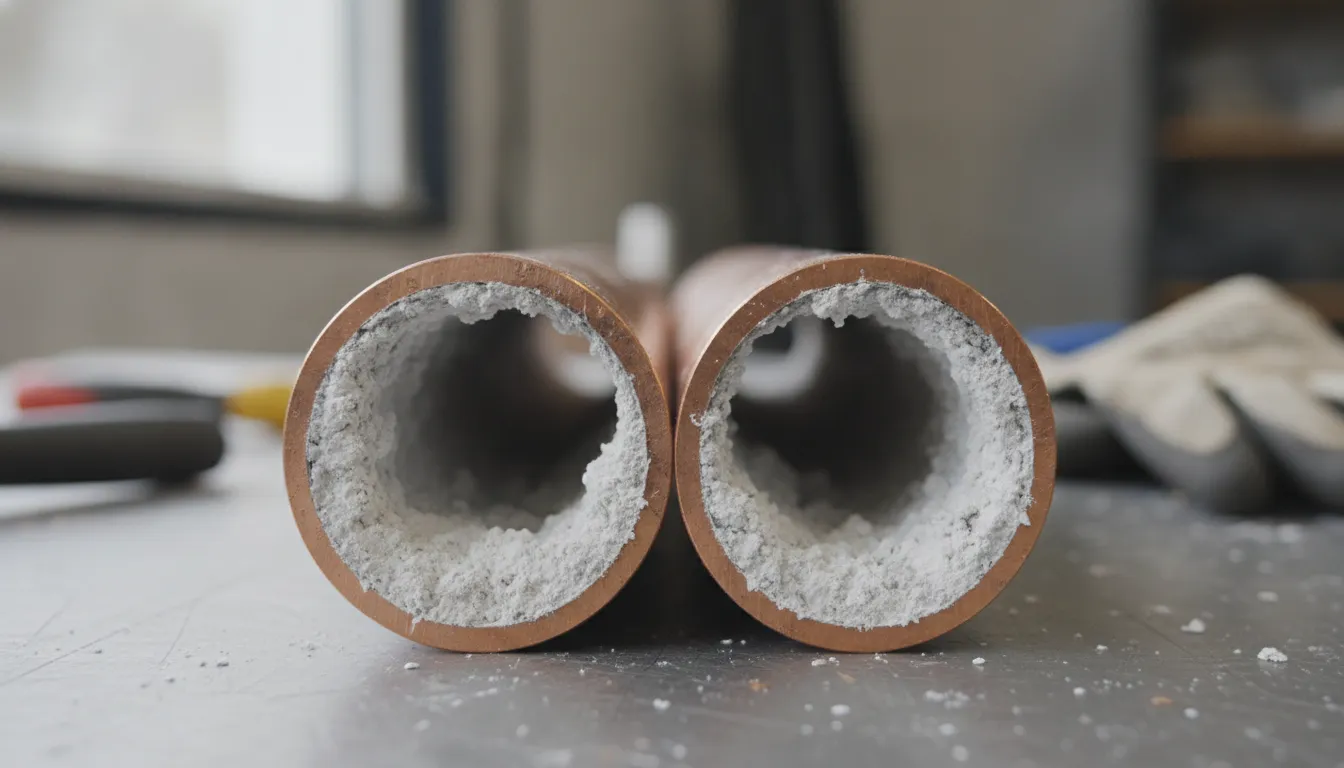
Over time, these minerals form a hard, crusty layer called scale. This scale builds up inside your pipes and on your shower heads. It can cause serious hard water damage to plumbing if you do not find a way to stop it soon.
Lower water flow and pressure
When minerals stay inside your pipes, they take up space. This mineral scale makes the path for water much smaller than it should be. As the path shrinks, you will feel the flow of water start to drop.
This can lead to a daily struggle with weak showers and slow sinks. In fact, scale buildup is one of the top low water pressure causes in the Inland Empire. If you do not clear the pipes, the scale can grow until the water can barely pass through the line.
Damage to fixtures and machines
Scale does more than just slow down your water flow. It also leaves white, chalky spots on your metal taps and glass shower doors. These spots are hard to scrub away and can ruin the look of your home.
Inside your house, your units face even bigger risks. When you heat hard water, it forms solid deposits of calcium carbonate inside your water heater. This layer of scale acts like a blanket that keeps heat away from the water.
This makes your water heater work much harder to do its job. It lowers the unit’s life span and raises your monthly energy bills.
Aging pipes and local systems
In the Inland Empire, many homes were built in the 1980s and 1990s. These houses are now at a time where they need more care. The mineral scaling in pipes can cause them to wear out much faster than normal.
This is a major concern for aging systems in our local cities like Riverside and San Bernardino. If your home has old metal pipes, the scale can lead to tiny holes or even large breaks.
Our team can check your system to ensure your pipes stay clear and safe for a long time. We offer expert help to find these hidden issues before they turn into large leaks.
The Hidden Impact: Water Heater Efficiency and Energy Bills
Hard water has high amounts of minerals like calcium and magnesium. When you heat this water, these minerals form solid layers called scale. This scale builds up on the heating parts of your water heater. It acts like a coat of rock that stops heat from moving into the water. This is a common type of hard water damage to plumbing in our area.
How Scale Traps Heat
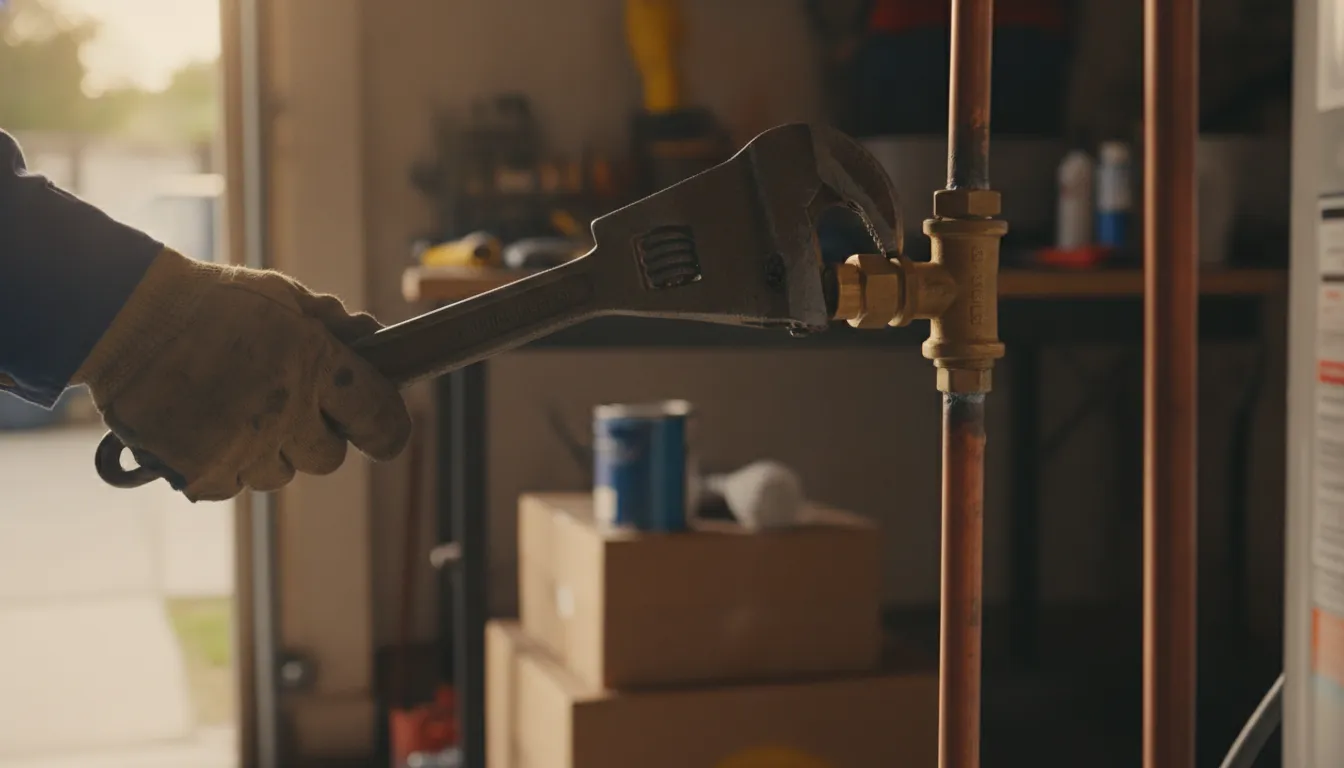
The layers of calcium carbonate coat the heating rods in electric tanks. This buildup makes the unit work harder and stay on longer. The scale reduces efficiency and can clog the inner parts of the tank. Homeowners often do not see this damage until the unit fails or stops heating well.
As the scale gets thicker, the heat from the rods must pass through the mineral layer first. This extra step wastes energy and can cause the parts to burn out early. Over time, the scale may also settle at the bottom of the tank. This makes it hard for the burner to warm the water through the thick sludge.
Rising Energy Costs for Homeowners
When your heater is less efficient, your monthly bills go up. Studies show that mineral scaling in water heaters can raise your heating costs. The tank must use more fuel or power to reach the same heat level. Families in the Inland Empire often see these costs rise as their older pipes struggle with local minerals.
Many homes in San Bernardino and Riverside were built in the 1980s and 1990s. These systems have faced years of mineral buildup. As these parts age, the cost to heat water climbs even higher. Fixing these issues early helps keep your home running at a fair price.
By keeping your system clean, you save money on your gas or power bill. Regular care helps you avoid the high cost of a new tank. If you need a checkup, we offer expert plumbing services in the Inland Empire to help your system run well. A quick flush can often fix small issues before they become big leaks.
Shorter Appliance Life Cycles
Scale does more than waste power; it also kills your tools faster. The high heat trapped by the scale can cause the tank metal to weaken or crack. This leads to leaks that can flood your home or ruin your floors. Most water heaters will not last as long if they have to fight heavy mineral buildup every day.
Water heaters are a big part of your home’s value. Protecting them from scale is the best way to keep your home safe. Homes built in the 1980s and 1990s are at the most risk. These systems are now entering a time when they need more care. Use the chart below to see how water type affects your home over time.
| Water Type | Energy Efficiency | Tank Lifespan | Monthly Cost |
|---|---|---|---|
| Soft Water | High | 10 to 15 Years. | Low |
| Hard Water | Low | 6 to 10 Years. | High |
How to Clean Hard Water Buildup and Limescale
Hard water is a common issue for many homes in the Inland Empire. This type of water has high levels of calcium and magnesium. These minerals can leave white spots on your sinks and showers. Over time, the minerals form a hard crust called scale. This buildup can cause hard water damage to plumbing by clogging pipes. It also makes your water heater work much harder to stay warm.
Use white vinegar for light scale
You can often fix minor buildup with simple items from your kitchen. White vinegar is a safe and cheap choice. The acid in vinegar helps to dissolve mineral bits on your fixtures. To clean a showerhead, fill a small bag with vinegar. Tie it around the head so the metal is fully covered. Let it sit for two hours before you scrub the area with a soft brush.
For faucets, soak a cloth in vinegar and wrap it around the base. This works well for the crusty white rings that form near the spout. If the scale is very thick, you may need to repeat the soak. Keep in mind that vinegar is only for surface cleaning. It cannot reach the scale that builds up deep inside your main water lines.
Test your water at home
It is helpful to know how hard your water is before you try to fix it. You can buy a simple test kit at most home stores. These kits use a small strip to show the mineral levels in your water. If your test shows high levels, you might want to look at a water softener. A softener stops the minerals from sticking to your pipes in the first place. This is the best way to prevent future repair bills.
Know when to call for help
Sometimes, the damage is too deep for home fixes. If your water pressure is low in every room, you likely have scale inside your pipes. This type of blockage can lead to leaks or even burst pipes. Experts can use a sewer camera inspection to see the damage inside your lines. They have the right tools to clear out hard scale without hurting your plumbing system.
Can Hard Water Buildup in Pipes Cause Permanent Damage?
Hard water contains high amounts of minerals like calcium and magnesium. When this water flows through your home, it leaves behind small bits of rock. These bits are called mineral scale or lime scale. While a small amount of scale might just look bad, it does not stay that way. Over time, these layers stack on top of each other and get hard.
From soft scale to rock-hard buildup
Mineral scale starts as a light film on your shower head or sink. But inside your pipes, it can turn into a thick crust. When you heat hard water, it creates solid chunks of calcium carbonate. This often happens inside your water heater or the hot water lines in your walls. This scale can lower water flow and pressure by making the path for water much smaller.
As the scale layers grow, they turn into a solid rock that is hard to remove. Experts call this rock-like calcification. This is not just a simple clog that you can wash away. It is a slow change that can ruin your plumbing system from the inside out.
Damage to copper and iron pipes
Hard water damage to plumbing can lead to major leaks and broken pipes. In copper pipes, the scale can trap water against the metal and cause it to wear thin. In older iron or galvanized pipes, the minerals bond with the rust. This makes a thick wall of gunk that stops water from moving at all.
When the buildup gets too thick, the damage is often permanent. Cleaning the scale out can sometimes crack a pipe that has become weak. In these cases, you may need a full repipe of your home. If you are finding internal plumbing damage early, you might save your system. But once the pipes are mostly closed, you must replace them to get your water pressure back.
Inland Empire water risks
The Inland Empire area has water with a high mineral count. Many homes in Riverside and San Bernardino were built in the 1980s and 1990s. These homes are now at an age where mineral buildup is a big risk. Aging pipes in these houses may already have thick layers of scale that hurt the system.
If you have old pipes, you should look for signs of low pressure or white crust on your taps. Catching the problem now can prevent a huge repair bill later. Our team gives expert plumbing services in the Inland Empire to help you find and fix these issues before they ruin your home.
Don’t let hard water scale ruin your plumbing system. Schedule a hard water inspection and system flush with Diamond House Plumbing today to restore your water pressure and protect your home.
Frequently Asked Questions
Can hard water buildup in pipes cause damage?
Yes, hard water can lead to serious plumbing issues over time. As minerals like calcium and magnesium settle inside your pipes, they form a hard crust called scale. This buildup narrows the path for water, which puts extra stress on your whole system. As stated by the Virginia Cooperative Extension, too much scaling can lower both water flow and pressure. If you do not fix it, this damage may soon lead to leaks or burst pipes.
How can I clean hard water buildup from pipes?
You can use mild acids to break down light mineral deposits in your sinks and tools. For example, the USGS notes that the acid in vinegar helps dissolve mineral bits by giving them a charge. This works well for showerheads or faucets. However, scale deep inside your main lines is much harder to reach. If your pipes have thick buildup, you might need an expert plumber to flush the system or install a water softener to stop future damage.
How much does hard water clog up pipes?
Hard water can clog pipes enough to stop the flow of water almost all the way. This happens slowly as mineral layers grow thicker each year. In the Inland Empire, many homes built in the 1980s and 1990s are now at a point where this buildup causes real trouble. As stated by Diamond House Plumbing, these older homes are more prone to plumbing failures from scale. Regular checks can help you find these clogs before they cause a major flood in your home.
What is the plumber’s trick to remove limescale?
Plumbers often use a mix of tools and safe cleaners to clear away tough limescale. One common way involves using strong liquids that break apart the hard calcium bonds. For very thick clogs, a plumber might use high-pressure water to blast the scale away. This clears the pipes without causing damage to the metal. Dealing with scale early helps you avoid high repair costs. It also keeps your tools, like your heater and dishwasher, working well for many years.
Protect your home plumbing from hard water scale today
Hard water scale grows inside your pipes and taps every single day. This buildup slows the flow of water and forces your machines to work much harder. Without quick action, you risk sudden leaks or even a full pipe break that can flood your house. Fixing these mineral issues today helps you avoid the high cost of emergency plumbing help later. Waiting too long allows minerals to harden and break your water heater and other costly machines. Taking quick action now makes sure your home plumbing stays in great shape for many years.
Ready to schedule a comprehensive diagnostic hard water inspection? Contact our expert team today to schedule a comprehensive diagnostic hard water inspection and ensure your plumbing system is protected from mineral damage.

Leave a Reply