
Waiting for a sewage backup to schedule maintenance is a costly mistake for Riverside homeowners. Regular septic service prevents system failures that can lead to expensive lawn repairs and interior plumbing damage. Keeping a strict schedule is the only way to protect your property and peace of mind.
Schedule your septic tank pumping service today , Diamond House Plumbing has decades of experience maintaining septic systems across Riverside County.
The best septic tank pumping frequency depends on your tank size, water use, and the number of people in your home. Most pros say that home systems should be pumped every three to five years to make sure they work right. According to the Environmental Protection Agency, these regular cleanings remove the layers of waste that would otherwise clog your yard pipes. If you have a large family or use a garbage disposal, you should pump your tank every one to two years. Regular care protects your pipes from deep damage and helps you avoid the high cost of a whole new system.
While the general rules give you a starting point, every Riverside property has different needs. You must look at your own home habits to find the best plan for your system. The first step is understanding how your household size affects your septic tank pumping schedule.
Septic Tank Pumping Frequency: How Does Household Size Affect Your Septic Tank Pumping Schedule?
The number of people living in your home is the main factor that determines your septic tank pumping frequency. Every person in your house adds to the amount of waste and water that flows into the system. As the number of people goes up, the tank fills with solids much faster. This makes more frequent service visits necessary to avoid system failure or backups. For a more detailed breakdown, see our guide on how often to pump a septic tank in the Inland Empire.
General pumping rules for different families
Most experts suggest a range of three to five years for the average home. But a large family in Riverside will need service much more often than a single person. According to the Environmental Protection Agency, the total volume of solids and wastewater are key factors. Small homes with one or two people usually only need to pump every four to five years. For a group of three or four, the time drops to every three or four years.
Large homes with five or six people often need service every two or three years. If you have seven or more people, you should check your tank every year or two. This is common in many Riverside County homes where families share space. These local households produce more waste and use more water every day. When more people use the same system, the sludge layer grows quickly and takes up more space in the tank.
Impact of daily water use patterns
Daily habits also change how fast your tank fills. The average person can use about 70 gallons of water inside the home each day. This includes taking showers, washing dishes, and doing laundry. A family of four can put 280 gallons of water into the tank every single day. This constant flow pushes solids into the tank and gives them less time to settle. If your house is full, your system works much harder to treat the waste.
Extra water use can also lead to issues in the drain field. High water flow can stir up solids and push them out of the tank before they break down. This can clog the soil and cause a big mess in your yard. Large families should be mindful of how often they run heavy loads. Spreading out laundry days can help the system keep up with the demand. This simple step can keep your septic system running well for longer periods.
What about homes with guests or rental units?
Short-term guests and rental units can put a sudden strain on your septic system. If you host many people for the holidays, your water use will spike. This can cause the tank level to rise and move solids toward the outlet. If you run a short-term rental, you may not know how much water your guests use. They might take long showers or run many loads of laundry. This extra use means you must schedule service more often than a typical home.
Frequent guests also mean more non-waste items might end up in the tank. People who do not live with a septic system may flush things they should not. This adds to the solid waste and can lead to clogs. You should keep a close eye on your system if you host people often. Getting an inspection after a busy season is a smart move. This helps you find out if the tank is full before a problem starts. Planning for these peaks keeps your home safe and clean.
Tank Capacity and Water Usage: Calculating Your Ideal Frequency
The size of your septic tank is a main factor in how often you need service. Most home tanks hold between 1,000 and 1,500 gallons, but sizes can range from 750 to over 2,000 gallons. A larger tank gives you more space for waste to settle. This can mean more time between pumping visits. For example, a 1,000-gallon tank may need service every two and a half years. A 2,000-gallon tank could last five years before it is full.
How to find your tank size
You can find your tank size by checking the records for your home. These permits or design plans are usually held by the local health department (EPA.gov). If you do not have these papers, look for access risers in your yard. These often look like black or green discs about 10 feet from your home. You can also ask a plumber to measure the tank during a septic system maintenance check.
The impact of daily water usage
Water usage plays a huge role in how fast your tank fills up. The average person in a home uses about 70 gallons of water every day (EPA.gov). This water flows into the tank. It can push waste out into the drain field if the tank is too full. High-efficiency toilets and washing machines can help reduce this load. But even one leaky toilet can add 200 gallons of water per day to your system. This extra water can cause your septic system to fail early, so you should fix leaks fast.
Wastewater and solids production
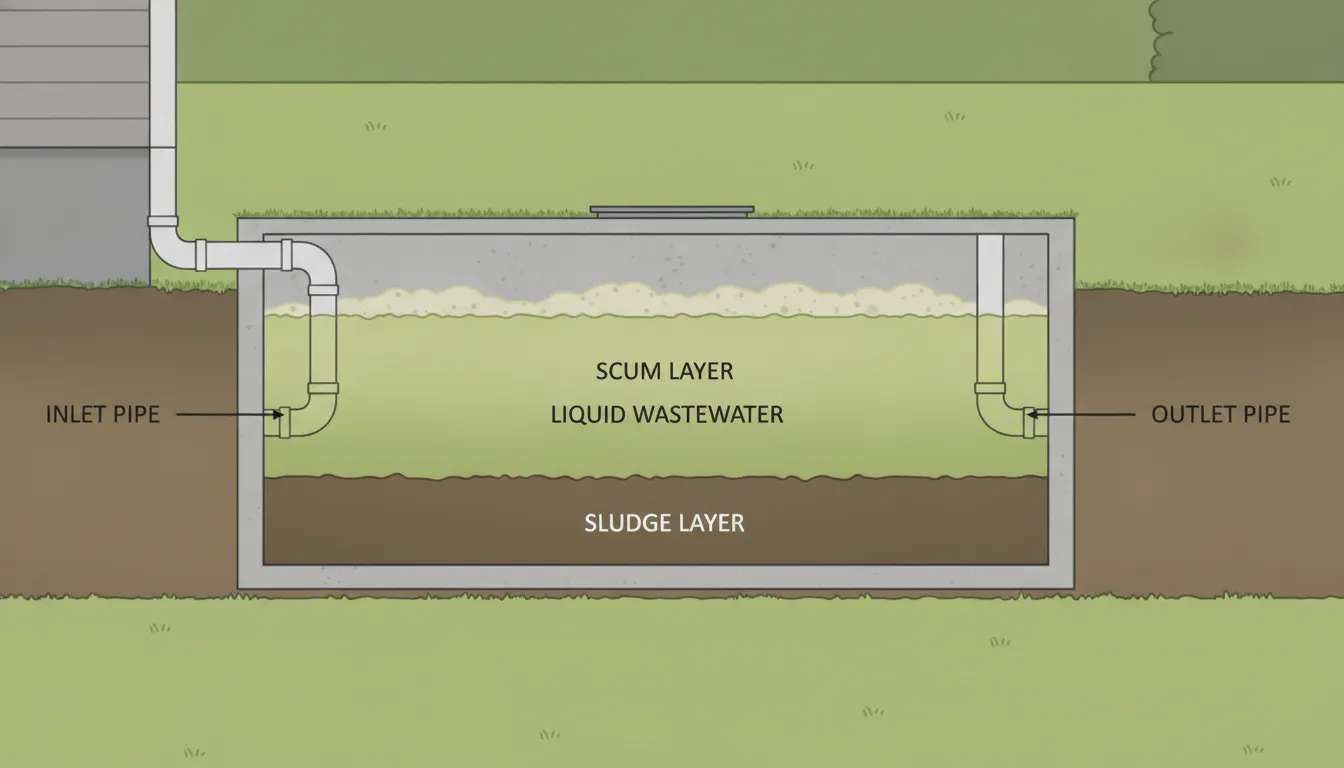
What you put down your drains is just as important as how much water you use. Using a garbage disposal can increase how often you need to pump by 30% to 50% because it adds more solids to the tank. To keep your system healthy, you should limit the use of these units. Heavy use of solids will build up the sludge layer faster. You will need to pump the tank when the sludge is within 12 inches of the outlet pipe to keep your system working well.
| Tank Size (Gallons) | Household Size | Estimated Pumping Frequency |
|---|---|---|
| 1,000 | 2 People | 4.0-5.0 Years |
| 1,000 | 4 People | 2.0-2.5 Years |
| 1,500 | 2 People | 6.0-7.0 Years |
| 1,500 | 4 People | 3.5-4.0 Years |
| 2,000 | 2 People | 8.0-9.0 Years |
| 2,000 | 4 People | 4.5-5.0 Years |
How Do Local Factors in Riverside County Affect Septic Maintenance?
Your home in Riverside County plays a big role in your septic tank pumping frequency. Basic rules give you a place to start, but local things like soil and weather change how your tank works. The team at Diamond House Plumbing knows these local needs. We know how they affect your home and your pipes. If you are dealing with ongoing septic issues, learn more about septic drain field failure signs to catch problems early.
Soil types and high drying rates
The Inland Empire has many types of soil. Some areas have sandy soil that drains water very fast. In other parts of Riverside County, you may find thick clay. Clay holds onto water and can slow down your system. This change in soil affects how your drain field handles liquid waste.
The hot, dry air in the desert also plays a part. In places like Palm Springs, the dry air helps move liquid out of the soil. This is called evaporation. But this process can also leave behind minerals in your system. If you do not watch for these signs, you may face the consequences of infrequent septic pumping like slow drains or bad smells.
Older homes and seasonal use
Many homes in Riverside and San Bernardino are old. They often still use the first septic systems put in the ground. These older tanks may be smaller than what new rules need. Small tanks fill up fast and need care to stop backups. Our team knows how to check these old setups for signs of wear. For a better understanding of your tank components, read about what a septic tank baffle does and when it fails.
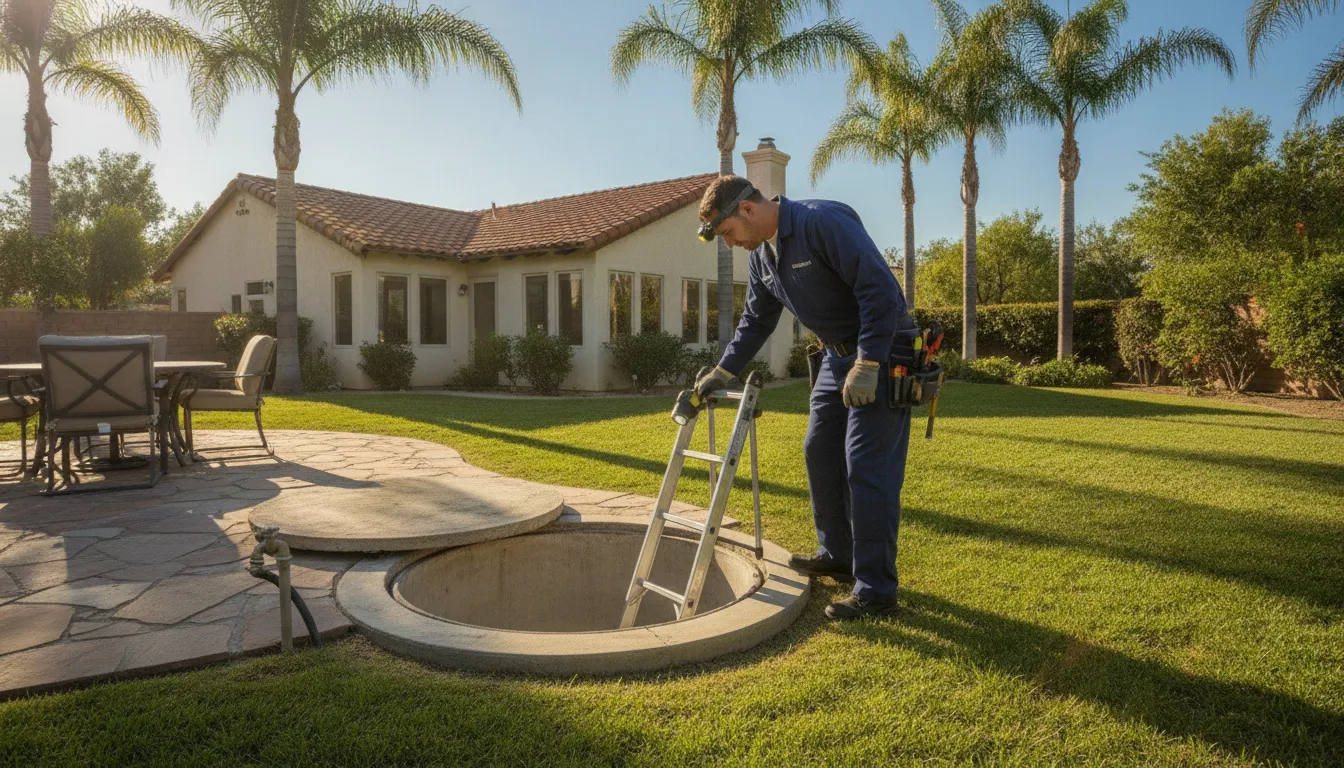
Seasonal use is another big factor in desert towns. Many homes in the Palm Springs area are only used for part of the year. The tank does not fill as fast when the home is empty, but the system still needs care. A tank that sits for months may need a check before you have guests. This keeps the system safe and ready to use.
Local health rules and permits
Riverside and San Bernardino counties have strict rules to keep water safe. These local standards make sure that septic waste does not harm the soil. Following these rules keeps your system legal. It also keeps your family and your neighbors safe from health risks.
You can find the plan for your system by checking local files. Most local health or environmental departments hold the permits and drawings for your home. These papers show where your tank is and how big it is. Diamond House Plumbing uses this local info to help you pick the best care plan for your yard.
Signs Your Septic Tank Is Full and Needs Pumping
Waiting for a backup can lead to a big mess and high costs. Knowing the early warning signs helps you keep a good septic tank pumping frequency. When a tank gets full, it cannot separate waste well. This forces sludge toward your yard or back into your home drains.
Common plumbing issues at home
Problems often start inside your home. A full tank leaves no room for new water. Sinks and tubs may drain slowly. This is not a simple clog; it shows the system has hit its limit.
- Slow draining fixtures: Sinks, tubs, and toilets may drain slowly. This happens because the tank is full and cannot take in more water quickly.
- Gurgling sounds in pipes: You may hear gurgling from your drains or toilets. These sounds happen when air bubbles try to pass through a full system.
- Foul odors near the tank: A full tank can release sewage smells. If you smell rotten eggs near your yard, gases are likely escaping because the tank is full.
- Standing water or soggy ground: Look for puddles or mud over your drainfield. When the tank is full, extra liquid may rise to the top of the soil.
- Lush green grass: If the grass over your tank looks very green, it could be a sign. The waste acts like plant food, which means the tank may be leaking.
Technical signs of a full tank
Experts use tools to check the waste level in your tank. They look at scum and sludge layers. As stated by the EPA, you should pump if the scum layer is within six inches of the outlet. This stops waste from harming the soil.
They also measure the sludge at the tank bottom. You need a pump out if the top sludge layer is within 12 inches of the outlet. You should also pump if waste takes up more than 25 percent of the tank. These rules help you avoid system failure.
Risks of a full system
Ignoring these signs puts your home at risk. When a tank stays full, waste can enter the drainfield. This can clog the soil and ruin your pipes. Fixing a failed drainfield is very costly. Early detection can help you avoid the costs discussed in our guide to septic tank repair costs in Southern California.
What Happens When You Skip Septic Tank Pumping
Waiting too long to pump your septic tank starts a bad chain of events. When you use your system, waste sinks to the bottom of the tank to form sludge. Over time, this layer grows thick. If you do not remove it, the sludge takes up space meant for liquid. This forces solid waste out of the tank and into your drainfield pipes.
The Danger of a Clogged Drainfield
A drainfield works by letting liquid soak into the soil. When solid waste enters these pipes, it creates a thick clog. This blockage stops the soil from cleaning the water. If the pipes stay clogged, the sludge and scum can destroy the system. This failure often leads to messy backups in your home or soggy spots in your yard.
Fixing a ruined drainfield is not a simple task. In many cases, you cannot just clean the pipes. You may need to replace the entire field. This work is a big cost that can range from three thousand to fifteen thousand dollars. Following a septic system maintenance schedule helps you avoid these big bills.
Health and Environmental Risks
A failing septic system does more than hurt your money. It can also harm the land and water around your home. When a system breaks down, waste can leak into the ground. This waste can reach groundwater or nearby wells. This poses a real health risk to your family and neighbors in Riverside County. Neglected systems often cause several problems:
- Slow drains in sinks and showers.
- Foul odors around the tank or yard.
- Standing water over the drainfield.
- Backups in toilets or basement drains.
Dirty water can also flow into local streams or ponds. This leads to algae growth and harms local fish. Regular care keeps these toxins out of the water. Choosing to skip service puts the local land at risk. The results of rare septic pumping often show up as these signs before the system fails.
Protecting Your Long-Term Home Value
Your septic system is one of the most vital parts of your home. It needs regular care to work well for a long time. Expert help keeps waste from building up in your pipes. Steady care extends the life of every part of your system. It is much better to pay for a pump-out now than to buy a new system later.
Think of pumping as an oil change for your house. It is a small chore that prevents a huge breakdown. Regular checks find small issues before they get worse. Most homeowners find that the cost of service is low compared to the price of a full failure. Staying on track with your service ensures your system stays safe and works well for years.
Contact Diamond House Plumbing today to schedule your septic tank pumping service and avoid costly emergency repairs later.
Frequently Asked Questions
Can you pump a septic tank too often?
Pumping your septic tank too many times can be a waste of money and may harm your system. Every time you pump the tank, you remove the good bacteria that breaks down waste. According to the EPA, the average home only needs service every three to five years. Unless you have a problem or a very small tank, staying with this normal plan is best for your pipes and your bank account.
How do you find your septic tank in the yard?
You can find your septic tank by looking for lids, which look like black or green discs in the grass. As shown by the EPA, these lids are most often about ten feet away from your home. You can also follow the main pipe that leaves your house. If you still cannot find it, a pro can use a metal rod or a small tool to find the tank without digging up your whole yard.
Do electric septic systems need more frequent service?
Systems with electric parts or pumps need more care than a standard tank. The EPA says that these systems should be checked once a year. Parts like float switches can fail if they get dirty or old. Regular checks make sure that the pump is moving waste to the yard correctly. While the tank may not need pumping every year, a pro must check that all the moving parts work well to prevent a big backup.
How much does a leaking toilet affect my septic system?
A single leaking toilet can put a big strain on your septic tank. As shown by the EPA, a running toilet can add as much as 200 gallons of water to your system every day. This extra flow can stir up solids and push them into the yard. This causes clogs and may lead to a total system failure. Fixing leaks fast helps keep your water use low and ensures that your tank stays on a normal pumping plan.
How can I find my property’s septic system records?
You can get copies of your septic plans and service history from your local health office. The EPA notes that these offices often keep the first papers and drawings for every property. These records show the exact spot of the tank and the yard pipes. Keeping your own service logs also helps pros track how fast your system fills up over time. This makes it easier to plan your next visit for a pump out.
Ready to Schedule Your Septic Tank Pumping Service?
Skipping your septic tank pumping leads to heavy sludge buildup that can ruin your drain field and force raw waste to back up into your home. A full system failure often costs many thousands of dollars to fix and might leave your home without working sinks or toilets for many days. By setting up service now, you ensure your yard stays clean and you avoid the stress of a sudden and very costly plumbing problem.
Are you ready to schedule your expert septic tank pumping service to protect your home? Book your expert care visit with our team today to ensure your septic system stays clear and works well for many years to come.

Leave a Reply