
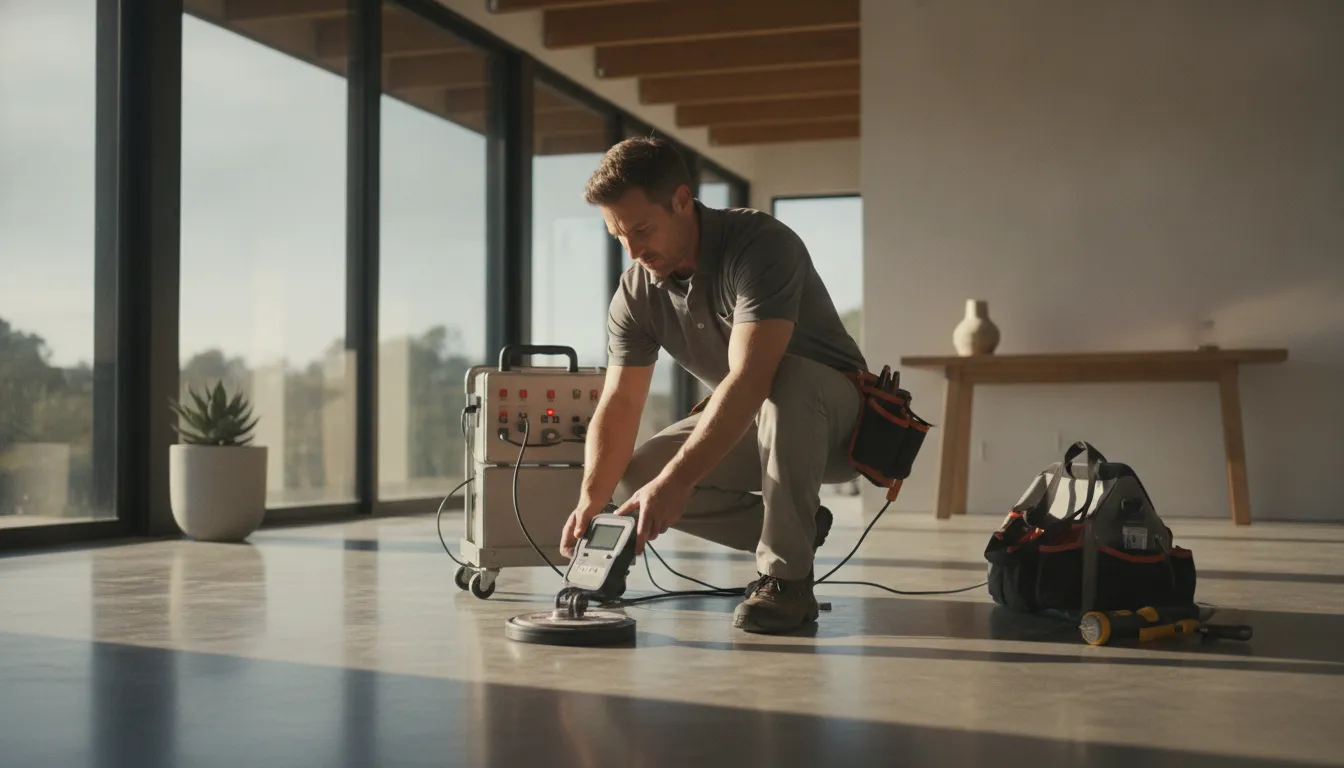
A leak beneath a concrete slab can stay hidden while water moves through the soil and affects the home above it. Because supply lines are out of sight, the first clues may be subtle: a warm patch on the floor. A sudden water bill increase, or the sound of water running when every fixture is off. Prompt attention matters, since water accumulating beneath a slab can contribute to uneven floors, foundation shifts, and other structural damage.
Schedule a professional slab leak inspection with Diamond House Plumbing today , early detection can limit damage and reduce repair costs for your Inland Empire home.
Slab leak repair starts with accurate detection, then matches the repair method to the leak’s location, pipe condition, and the home’s construction. Specialized equipment can help pinpoint the problem before unnecessary excavation begins.
Homeowners in Riverside, San Bernardino, and nearby Inland Empire communities should take unusual moisture, sounds, or changes in water pressure seriously without assuming the worst. Diamond House Plumbing serves homeowners across the region with advanced detection technology and experienced technicians who understand local foundation conditions. The warning signs below can help you decide when a professional assessment is warranted and what to look for first.
Early Warning Signs of a Slab Leak You Shouldn’t Ignore
Slab leaks often develop out of sight, so the first clues may appear as small changes around your home. Catching them early can limit water damage, reduce disruption, and help prevent a minor plumbing problem from becoming a larger repair. Watch for these common indicators:
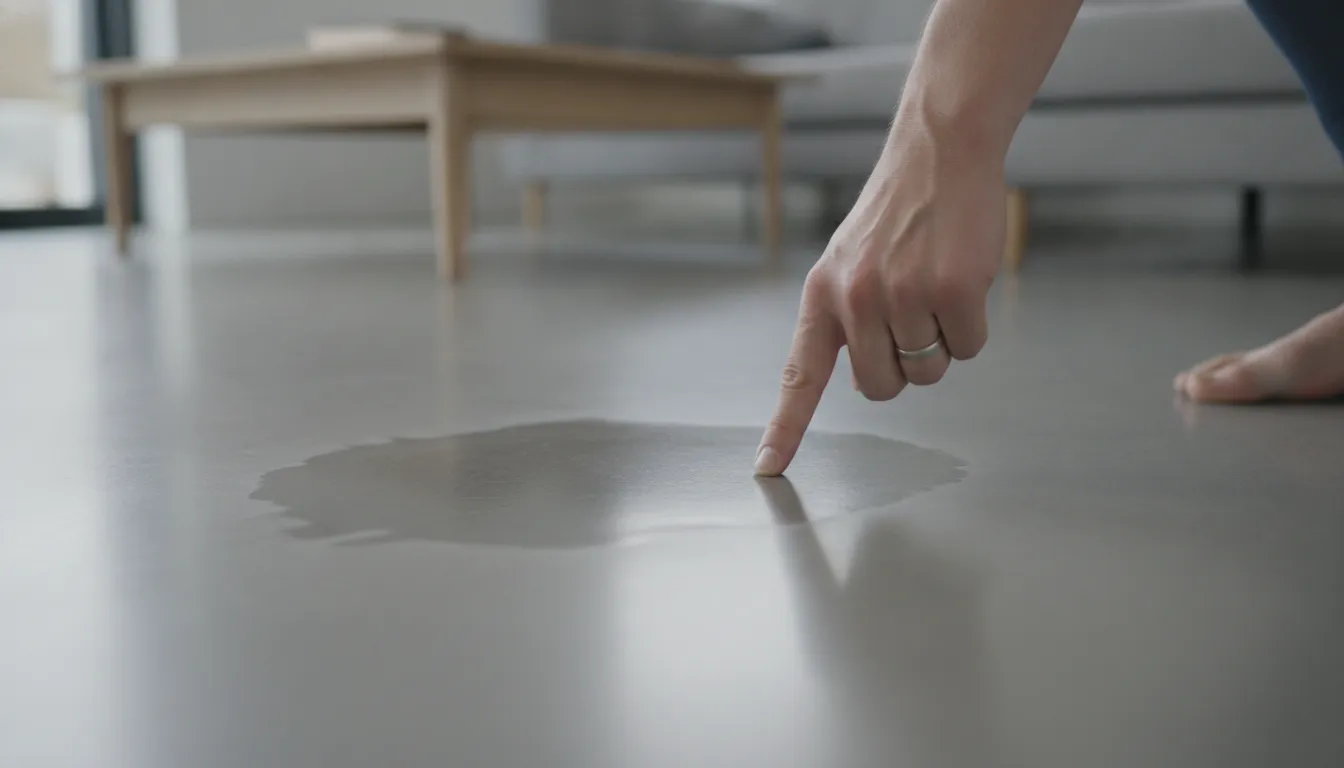
- Warm floors, damp spots, or unusual moisture. A warm area on an otherwise normal floor is one of the clearest warning signs, especially when it stays warm without direct sunlight or another obvious heat source. A persistent warm spot can indicate that a hot water line beneath the concrete slab is leaking. You may also notice damp flooring, water pooling, or a musty area near the suspected leak.
- Water sounds when every fixture is off. Listen for a faint hiss, rush, or trickle when faucets, toilets, washing machines, and other fixtures are not running. That sound can mean water is moving through a compromised line under the slab. Because the plumbing is concealed, even a small leak may continue unnoticed for a long time.
- Higher bills or lower water pressure. An unexplained increase in water usage is another important clue. Compare recent bills with your normal household pattern, and pay attention to changes that cannot be explained by guests, irrigation, or seasonal use. A persistent drop in water pressure throughout the home may indicate that water is escaping from a broken or compromised line beneath the foundation.
- Cracks and changes in floors or walls. New cracks in tile, drywall, or walls do not prove that a slab leak is present. But they should not be dismissed when they appear alongside warm floors, moisture, or plumbing changes. Document when you notice the change, then arrange professional evaluation.
Do not wait for visible flooding before acting. A professional can use appropriate water leak detection methods to identify whether the source is beneath the slab and whether the affected line carries hot or cold water. Prompt slab leak repair helps focus the work, limits unnecessary damage, and can reduce the cost of restoring areas affected by prolonged moisture.
What Causes a Slab Leak in Concrete Foundation Homes?
A slab leak can develop when the plumbing beneath a concrete foundation is stressed, damaged, or weakened over time. In the Inland Empire, where homes across Riverside and San Bernardino County may sit on expansive or clay-heavy soil, seasonal changes in moisture can contribute to soil movement. As soil expands and contracts, it can place pressure on buried water lines and their connections.
Soil movement and foundation shifting
Soil-related movement does not always damage a pipe immediately. Repeated expansion, contraction, or settlement can gradually strain a line until a joint separates or the pipe develops a crack. Water escaping beneath the slab can then weaken the soil below the foundation, creating additional instability. This interaction between plumbing and soil is one reason slab foundations require specialized care.
Installation problems and pipe materials
Improper installation, inadequate bedding, damaged fittings, or poor-quality piping can leave a system more vulnerable from the beginning. The age and material of the plumbing also matter. Copper and older galvanized steel pipes can become more susceptible to corrosion and leakage as they deteriorate. Corrosion, poor installation, and age are recognized causes of slab leaks, and pipe material can influence how likely a line is to fail over time (source).
Water pressure and daily stress
Excessive or fluctuating water pressure can put ongoing stress on pipes, valves, and connections. That stress may be especially problematic in an older system or one already affected by soil movement and corrosion. A shifting foundation can compound the problem by moving plumbing lines or stressing where they pass through the slab.
Because these causes can overlap, identifying the leak is only part of the evaluation. A plumber should also consider the pipe material, home age, foundation conditions, and pressure at the property before recommending a repair. For a deeper look at the contributing factors, read our guide to what causes a slab leak.
How Professionals Detect Slab Leaks Without Unnecessary Damage
Because the plumbing is hidden beneath concrete, locating a slab leak can be complex and time-consuming. A professional inspection uses evidence from several tools rather than relying on guesswork. That precision helps identify the leak before opening the floor, limiting disruption and making the next repair decision more informed.
- Listen for the leak with electronic equipment. Electronic listening devices and acoustic sensors detect the sound and vibration created by pressurized water escaping from a pipe. The technician may compare sound levels at several points across the floor to narrow the search area.
- Map temperature and moisture changes. Infrared thermal imaging can reveal warm areas associated with a leaking hot-water line. Moisture mapping can also help identify where water is accumulating or traveling beneath the surface.
- Confirm the loss with pressure testing. Pressure testing checks whether a plumbing line can hold the expected pressure. If pressure drops while fixtures are closed, the result supports the presence of a leak and helps determine which section of the system needs further investigation.
- Trace the line and inspect the pipe when needed. Depending on the plumbing layout, a technician may use an approved tracer gas, such as helium, to help locate a hard-to-hear leak. Camera inspection may also provide information about the condition and route of accessible lines.
Advanced detection methods can pinpoint the source without a trial-and-error approach that involves breaking concrete in random locations. Diamond House Plumbing uses specialized technology to develop a focused repair plan for homeowners in the Inland Empire. Read more about water leak detection methods or learn about leak detection in Riverside.
Slab Leak Repair Options: Choosing the Right Approach for Your Home
Once the leak has been located, the repair plan should address more than the damaged spot. A plumber will consider whether the line can be reached safely, how much of the system is affected. And whether the existing pipe material is likely to develop another leak. The location of the leak, the age and material of the pipes, and the overall condition of the plumbing system all influence the recommendation. Explore these slab leak repair options with those factors in mind.
| Method | Advantages | Considerations |
|---|---|---|
| Rerouting or repiping | A new line bypasses the damaged section through a more accessible route. This can avoid jackhammering through the slab and may be a practical choice when the existing line is aging or has repeated problems. | The new route may require access through walls, ceilings, cabinets, or exterior areas. |
| Direct slab access | The plumber opens the concrete near the confirmed leak, repairs or replaces the damaged section, and restores the access area. This limits the repair to a specific pipe location. | Breaking through the slab creates dust, noise, concrete removal, and restoration work. Flooring may also need to be opened and repaired afterward. |
| Trenchless epoxy lining | In suitable cases, a lining creates a new interior barrier inside the existing pipe without traditional excavation. It can reduce disruption and preserve more finished surfaces. | Not appropriate for every pipe, leak, or level of damage. The pipe must be assessed carefully. |
Why the least disruptive method is not always the best choice
Rerouting can offer a durable solution when a buried line is difficult to access or the plumbing has reached the end of its service life. Direct repair may make more sense when detection identifies one accessible failure and the rest of the system remains sound. A thorough evaluation helps balance immediate cost, disruption, and long-term reliability. The goal is not simply to stop today’s water loss, but to choose a repair that fits the home’s age, pipe material, leak location, and future maintenance needs.
What Factors Influence the Cost of Slab Leak Repair?
There isn’t one standard price for slab leak repair because every home presents a different access and damage challenge. For a general industry reference, This Old House reports an average repair cost of about $2,300. With a range of $630 to $4,400 or more depending on the extent of the damage. Angi reports a similar range of $650 to $4,400, with the repair method and complexity affecting the final total (source). These figures are not a quote for work at your home, but they illustrate why an inspection is important.
Leak location and accessibility
A leak beneath an open area may be easier to reach than one below a kitchen, bathroom, built-in cabinet, or other finished space. The depth of the line, slab thickness, and whether the plumbing runs near the foundation perimeter can also affect labor and equipment needs.
Repair method and pipe condition
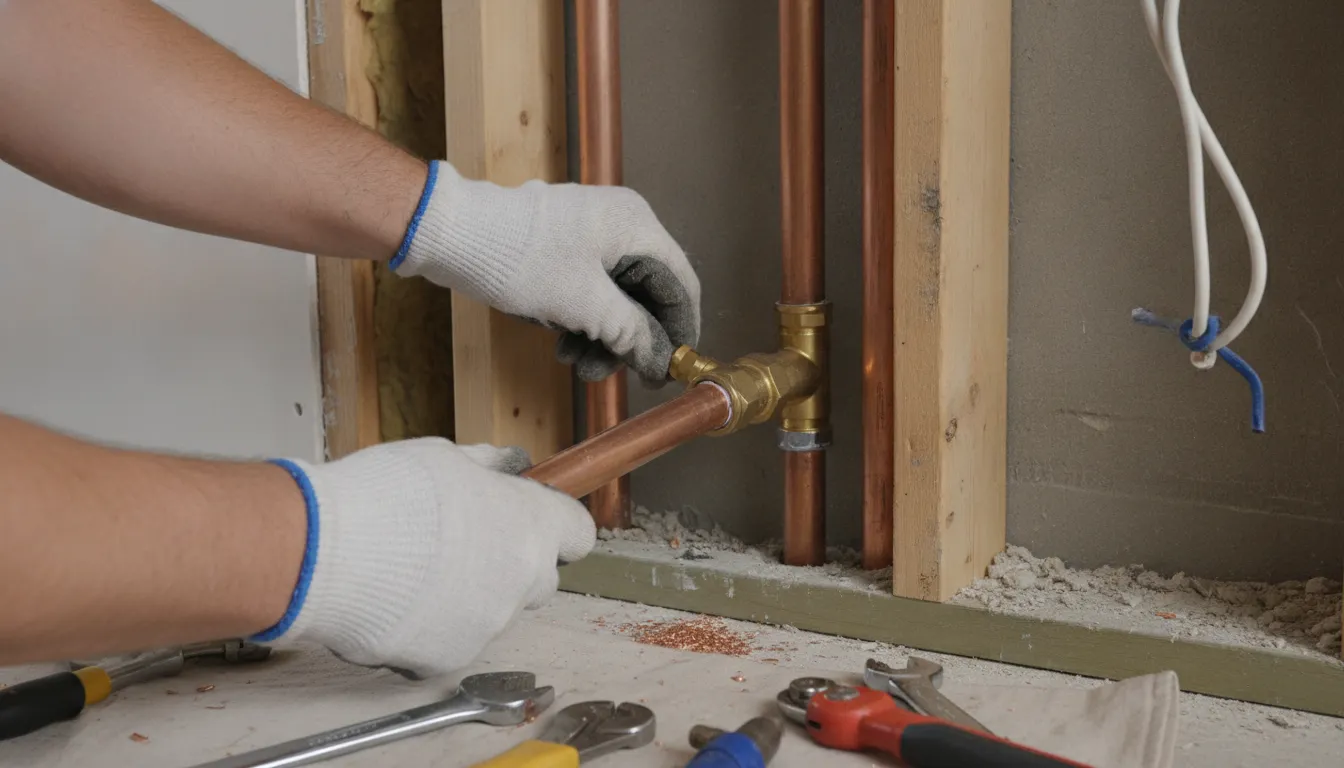
Once the leak is located, the plumber must determine whether to expose and repair the damaged section, reroute the line, or use another suitable method. The best choice depends on the pipe material, age, overall condition, and location of the failure.
Water damage and finish restoration
The plumbing repair is only part of the potential expense. If water has saturated flooring, baseboards, drywall, cabinets, or insulation, drying and restoration may be needed. Angi estimates that significant water damage can add approximately $450 to $15,000 in restoration costs (source). Early detection can help limit the time water is escaping and reduce the chance of extensive structural or restoration work. For a deeper overview of industry pricing considerations, review our guide to the cost to fix a slab leak.
Contact Diamond House Plumbing to schedule your slab leak inspection today , our technicians use advanced detection equipment to locate leaks quickly and recommend the most effective repair for your home.
Does Homeowners Insurance Cover Slab Leak Damage?
Homeowners insurance policies vary, and the coverage question around slab leaks often depends on the cause and the timing of the damage. In general, a standard policy may cover sudden and accidental water damage caused by a burst pipe, such as wet flooring or damaged drywall. However, many policies exclude damage from gradual leaks, wear and tear, poor maintenance, or earth movement. The leak itself is typically treated as a maintenance issue, and only resulting water damage may be claimable.
The deciding factor is usually whether the leak was sudden and visible or slow and hidden. If a pipe corrodes over many years and finally fails, an insurer may classify the resulting water damage as a maintenance issue rather than an insurable event. If you suspect a slab leak, contact your insurance agent early and ask about your specific policy language. Most importantly, shut off the water supply and arrange a professional inspection while you confirm the details of your coverage.
Frequently Asked Questions
Should I turn off the water if I suspect a slab leak?
Yes. If you hear water running while every fixture is off, notice a sudden pressure drop. Or see unexplained damp or warm flooring, shut off the home’s main water supply if it is safe to do so. This can limit additional water loss while a plumber confirms the source. Avoid electrical areas that may be wet, and arrange professional detection rather than guessing where the line is located.
Can a slab leak be repaired without digging up the entire floor?
Often, yes. A plumber may use acoustic sensors, moisture mapping, pressure testing, or other specialized methods to pinpoint the leak before opening the slab. Depending on the pipe condition and location, options can include rerouting the line through a more accessible area or using a less disruptive repair method. The appropriate approach requires an inspection of the leak and the surrounding plumbing.
How long does slab leak repair take?
The timeline depends on how quickly the leak can be located, the repair method, access to the plumbing, and whether flooring or water-damaged materials need attention. A clearly identified, accessible leak may require less work than a damaged line beneath finished flooring or a system with multiple failing sections. Your plumber should explain the expected access, repair, and restoration steps after detection.
Can a slab leak cause foundation problems?
It can. Water collecting beneath a concrete slab may weaken the soil and contribute to foundation movement, uneven floors, or cracks in walls and tile. Early detection helps reduce the chance of extensive structural and restoration work. If you notice doors or windows that suddenly stick along with leak symptoms, have the plumbing evaluated promptly and ask whether a structural inspection is also appropriate.
Schedule Professional Slab Leak Help
If you have noticed signs of a slab leak, an accurate inspection can help clarify the problem and the repair options for your home. Diamond House Plumbing provides expert slab leak detection and repair throughout Riverside, San Bernardino, and the entire Inland Empire. Contact the team online to schedule your inspection. You can share what you have observed, ask questions, and take the next step toward addressing the leak with informed guidance.

Leave a Reply