
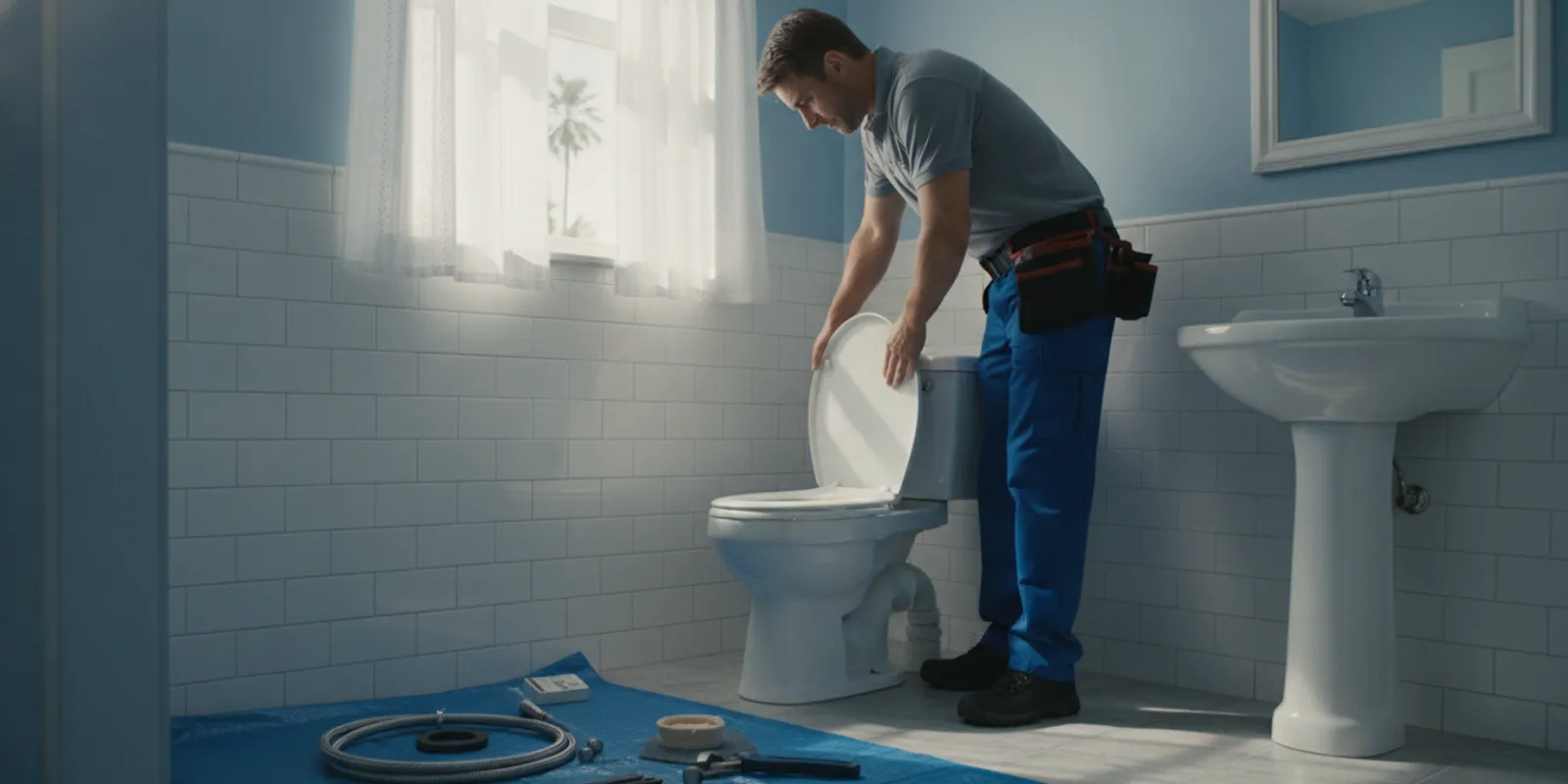
Toilet replacement cost depends on more than the price of the fixture. The existing toilet’s condition, the fit of the new model, the shutoff valve and drain connection, and any needed repairs can all affect the work. For homeowners in Riverside and San Bernardino County, the clearest first step is to identify what is being replaced and ask what the installation estimate includes.
Request help with toilet replacement
What makes toilet replacement cost vary?
There is no single price that applies to every bathroom. An estimate depends on the scope of work at the property, not simply on the toilet model. A straightforward swap may involve removing an existing fixture and installing a compatible replacement. Additional work can be needed if the toilet does not fit the existing rough-in, a connection is damaged, or the floor or drain area needs attention.
Before comparing proposals, ask whether they cover the same items. A quote for installation labor alone is not directly comparable to one that includes the fixture, removal, disposal, new connection parts, and testing. The toilet installation service guide can help you understand the installation questions to raise.
| Cost factor | What to clarify | Why it matters |
|---|---|---|
| Toilet selection | Is the fixture included, and what model or specifications are assumed? | Fixture type, features, and fit affect the materials and scope. |
| Removal and disposal | Does the estimate include taking out and disposing of the old toilet? | These tasks may be listed separately from installation. |
| Fit and connections | Are the existing drain location, flange, and shutoff connection compatible? | Unexpected condition or fit issues can require additional work. |
| Floor or drain repairs | How will any damage or needed repair be identified and approved? | Work beyond a basic replacement changes the project scope. |
| Testing and cleanup | Will the installed toilet be checked for leaks and proper operation? | Confirm what completion and cleanup include. |
Which parts of the job can change the estimate?
The fixture and its fit
Toilets come in different shapes, heights, flush designs, and dimensions. The replacement must suit the space and connect to the existing plumbing. If you have selected a model, share its specifications before work is scheduled. If you have not, ask which measurements or features need to be considered before choosing one. For background on water-efficient product labels, consult the EPA WaterSense program; verify that the specific model and label meet your needs.
The condition beneath the toilet
Once the old fixture is removed, the installer can assess the visible connection area. A worn or damaged flange, compromised fasteners, or signs of moisture near the base may call for work beyond setting a new toilet. Do not assume that a new fixture will resolve a leak or floor problem without checking its cause.
Shutoff valve and supply connection
A shutoff valve that does not operate correctly or a supply connection that is damaged may need attention during replacement. Ask whether the estimate assumes these parts can be reused, and how the plumber will discuss an added repair if inspection shows it is needed.
Access and removal
Room to work, the toilet’s condition, and the route for removing it can affect the labor involved. A fixture that is cracked, unusually heavy, or difficult to disconnect may take more time to remove safely. Clarify whether removal and disposal are included rather than inferring this from the word “installation.”
When is replacement worth considering?
Replacement may be appropriate when a toilet has recurring leaks, cracks, persistent performance problems, or repeated repairs that no longer make sense for the fixture. A leak at the base needs assessment: the source may involve a seal or connection, or another issue near the floor. A repair may be possible, so ask for a diagnosis and a comparison of repair and replacement scope before deciding.
Repeated clogs can also have causes beyond the toilet, including a drain problem. If several fixtures are affected or symptoms return after clearing, discuss the larger plumbing system rather than treating a new toilet as a guaranteed fix. Diamond House Plumbing offers plumbing repair information to help owners prepare for a service conversation.
How can you compare toilet replacement estimates?
Ask each provider to describe the same project in writing. A useful estimate should make the assumptions visible and distinguish routine installation from possible extra work. A low total is not meaningful if important items are excluded, while a higher estimate may cover a broader scope. Compare details before making a decision.
- Identify the fixture. Confirm whether you supply the toilet or the estimate includes it, and record the model if known.
- Confirm included work. Ask about removal, disposal, connection materials, installation, testing, and cleanup.
- Ask about exclusions. Find out whether valve, flange, drain, or floor repairs are excluded from the base scope.
- Agree on change approval. Ask how additional findings will be explained and approved before extra work proceeds.
- Compare the same assumptions. Review the fixture, labor, parts, and contingencies side by side rather than comparing totals alone.
For broader context about what a plumbing visit may involve, see the plumbing services overview. If the concern appears to involve a drain rather than the fixture, review drain and sewer service information and explain the symptoms when arranging an assessment.
What should you prepare before installation?
Make a short note of the toilet’s symptoms and when they occur. Mention any leak, rocking, crack, repeated clog, or recent repair. If you have a preferred replacement, have its product details ready. Clear the area around the toilet and identify the shutoff valve, but do not force a valve that is stuck or leaking.
In a home or business, consider access and timing. A second bathroom may be available in a residence; a commercial property may need to coordinate restroom access for occupants. Tell the plumber about scheduling constraints in advance so the visit can be planned around the property’s needs.
What should happen during and after installation?
Ask the provider to walk through the expected sequence before work begins. In a routine replacement, the old fixture is disconnected and removed, the exposed area is checked, and the replacement is set and connected. The exact steps depend on the fixture and site conditions. If inspection reveals damage or a mismatch, pause to discuss the finding, options, and any revised scope before authorizing added work.
Once the new toilet is installed, ask what checks are included. The installer should explain how operation and visible connections are assessed and what signs to watch for after the visit. You can also ask how to report a concern if you notice water at the base, an unstable fixture, or an unexpected change in flushing. Clear handoff information makes it easier to distinguish routine settling or use questions from a condition that needs follow-up.
Keep a copy of the estimate and note the fixture model, work completed, and any parts replaced. This record can help if the toilet needs service later or if another person manages the property. For a rental, office, or other shared property, tell the responsible contact when the restroom is available again and share any operating instructions provided by the installer.
What questions help clarify the total project?
Ask questions that turn a broad estimate into a defined scope. The goal is not to predict every hidden condition before work starts; it is to understand the assumptions and the process for handling discoveries. These questions are useful whether you are replacing one residential toilet or coordinating work at a business.
- Is the quoted amount for labor only, or does it include a specified fixture?
- Who is responsible for obtaining the toilet, and how will compatibility be confirmed?
- Are removal, disposal, basic connection materials, testing, and cleanup included?
- Does the estimate assume the existing shutoff valve, supply line, and flange are serviceable?
- What conditions would change the scope, and will I receive an explanation and approval request first?
- Is any flooring or finish work outside the plumbing estimate?
- What access, water shutoff, or restroom scheduling should I arrange?
Written answers make proposals easier to compare. If one estimate includes removal and disposal while another does not, account for that difference before judging the totals. Similarly, a proposal that assumes a usable flange is not necessarily describing the same work as one that anticipates replacing damaged parts. Request clarification rather than relying on assumptions based on a brief label such as “toilet install.”
How can local property needs affect planning?
In Riverside and San Bernardino County, properties range from single-family homes to commercial facilities, so the practical details of a replacement can differ. A home may have another restroom available, while a business may need to keep a restroom accessible to staff or customers. Explain any access limits, tenant schedules, or operating hours when arranging an assessment.
For older homes, do not infer the condition of concealed plumbing from the age of the building alone. The visible condition and inspection findings are more useful for defining a particular job. If other plumbing symptoms are present, such as drains backing up in several areas, mention them; they may point to a concern beyond the toilet fixture. Diamond House Plumbing’s residential plumbing information offers a relevant starting point for discussing broader home plumbing needs.
Commercial property managers can identify who may approve extra work, who will provide access, and how occupants should be notified. Those simple arrangements can prevent delays if the job scope changes after the old fixture is removed. The company information page provides background on Diamond House Plumbing, while the contact page is the direct route for discussing a specific project.
How can you plan for fixture selection?
When choosing a replacement, begin with the constraints of the room rather than features alone. Confirm the available space, the location of the existing drain, and whether the door, nearby vanity, or other fixtures limit the bowl shape or projection. Keep the product specification sheet so the installer can check whether the model is a reasonable match before delivery. A mismatch discovered on installation day can create delays or require a different fixture.
Consider how the toilet will be used. A household may prioritize a familiar height or a design that is easy for different family members to use. A commercial restroom may need a durable, standard fixture that suits frequent use and the space available. Flush mechanism, seat height, bowl shape, and cleaning access are separate considerations; weigh them against fit and maintenance needs instead of assuming the most feature-rich model is best.
If you are purchasing the fixture separately, check what parts come in the box and whether the seat or supply connection is included. Ask the installer which additional components are appropriate for the existing connection. Save the receipt and model number, and avoid opening or modifying parts before compatibility is confirmed if that could affect a return. The aim is to have the correct fixture and a clearly agreed installation scope ready together.
How should you handle an unexpected finding?
Some conditions are only visible after the old toilet is lifted. Before work starts, ask the provider to explain how they will handle a damaged flange, soft flooring, corrosion, or a shutoff valve that will not close. A sound process includes describing what was found, explaining the options that fit the finding, and providing any changed cost or schedule for approval before extra work goes ahead.
Ask for a clear distinction between work needed to complete the replacement and optional improvements. For example, repairing a damaged connection may be necessary for a sound installation, while choosing a different toilet model is a separate preference. If the discovery suggests a broader leak or drain problem, ask whether the immediate replacement should pause while that issue is assessed. This keeps the decision tied to the actual condition rather than a vague contingency.
Document the decision in writing, even if the conversation happens on site. A brief note of the finding, agreed work, and any revised estimate helps everyone keep the same expectations. If the project is for a rental or commercial property, confirm that the person authorizing the added work has approval to do so.
Frequently asked questions
Does a replacement estimate always include the toilet?
No. Some estimates cover installation only, while others include a specified fixture. Ask which model, parts, removal, and disposal are included.
Can a plumber confirm the final scope before removing the old toilet?
The visible conditions can be discussed in advance, but the flange and connection area may not be fully assessable until the fixture is removed. Ask how additional findings will be documented and approved.
Should I replace a toilet that leaks at the base?
Not automatically. A leak needs diagnosis because the cause may be a seal, connection, fixture, or another condition near the floor. Have the source assessed before choosing repair or replacement.
Does a new toilet solve recurring clogs?
It may not. Clogs can result from the toilet or from a drain issue. Share whether other fixtures are affected and how often the problem returns so the cause can be evaluated.
Can I compare an installation-only quote with a full-service quote?
Yes, but first identify the differences. Compare fixture costs, removal, disposal, connection parts, testing, cleanup, and any repair assumptions. A shared scope makes the totals more informative.
Talk with a plumber about your replacement options
A clear estimate should explain the fixture, installation work, and any exclusions so you can decide based on the needs of your bathroom and plumbing system.

Leave a Reply