
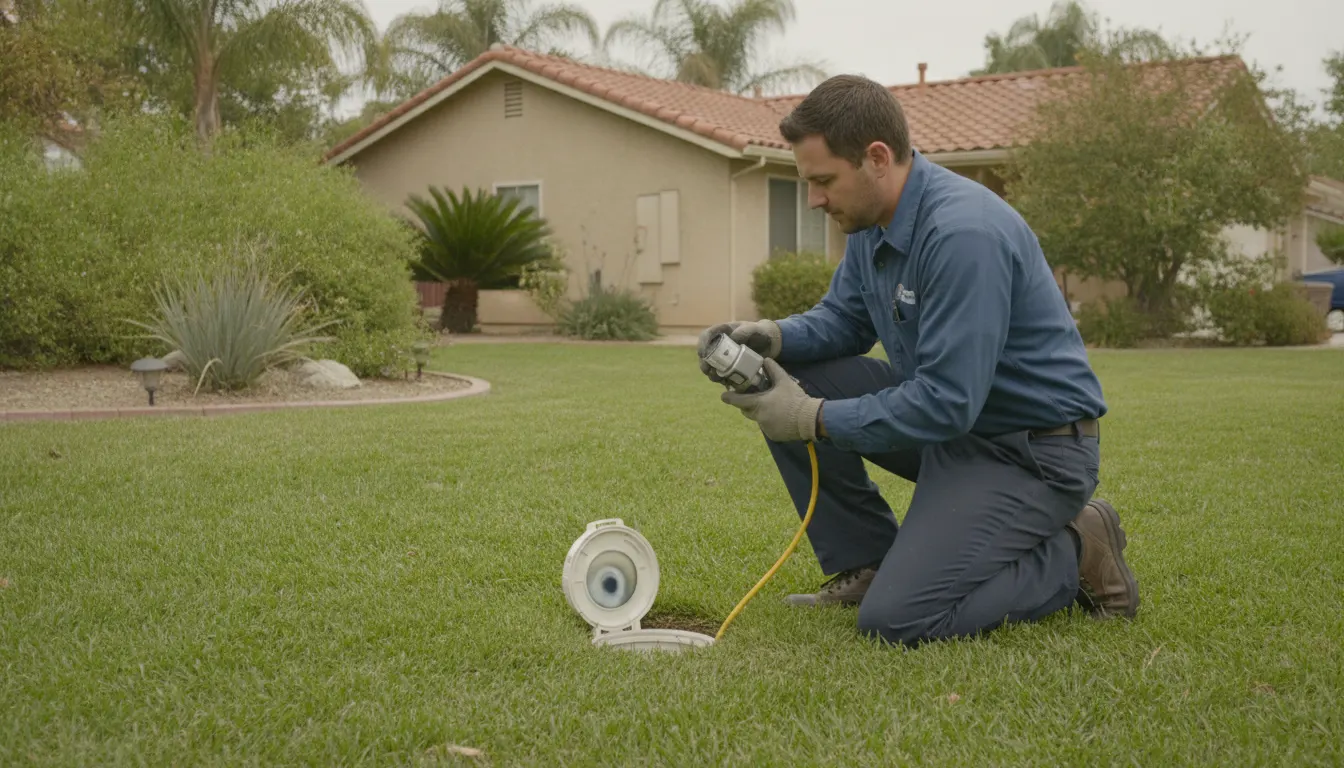
When a drain keeps slowing down or a sewer backup returns, many property owners ask, “How much does a sewer camera inspection cost?” The honest answer is that there is no single fee that fits every property. The quote depends on access to the line, the length and condition of the pipe, the equipment and labor required, and whether the camera can complete the inspection without additional preparation.
Diamond House Plumbing uses a consultation-based approach rather than presenting an unexplained number. A useful quote should tell you what the inspection includes, how the technician will access the sewer line, whether the recording or findings will be reviewed with you, and what conditions could change the scope. This guide explains how to evaluate that quote without confusing an inspection with the cost of repairing or replacing the sewer line.
What is included in a sewer camera inspection quote?
A sewer camera inspection quote should describe the diagnostic work needed to view the inside of the line and report the findings. It is not the same as a repair estimate. The inspection may confirm that a line is open and intact, or it may identify roots, cracks, separated joints, corrosion, a belly, or a collapse that needs a separate recommendation.
A typical quote may address these parts of the visit:
- Travel and technician time for the scheduled evaluation
- Access to an existing sewer cleanout or another appropriate entry point
- Camera equipment, cable length, and the portion of the line to be inspected
- Video review, measurements, or location information when available
- Basic explanation of the observed condition and possible next steps
The exact scope varies by property. A residential inspection through a clearly accessible cleanout is a different job from an inspection that requires locating an entry point, working around a blockage, or evaluating a long commercial line. Asking for the scope in writing makes it easier to compare quotes on the same basis.
Which factors affect sewer camera inspection cost?
Sewer camera inspection cost is shaped more by site conditions than by the phrase “camera inspection” alone. Diamond House Plumbing evaluates the access point, the line layout, the symptoms, and the requested coverage before recommending the appropriate diagnostic scope.
Access to the sewer line
Existing access is often the first question. A cleanout that is visible, safe to reach, and large enough for the equipment can make the inspection more straightforward. If the cleanout is buried, damaged, obstructed, or missing, the technician may need to discuss another access route or additional work before the camera can enter the line. That preparation is part of why two properties can receive different quotes for a service with the same name.
Riverside property owners should also understand that access and future sewer work can involve property-line details. The City of Riverside sewer installation requirements describe property-line cleanouts and identify the property owner’s maintenance responsibility. That document concerns sewer installation requirements, not a universal inspection fee, but it shows why the location and condition of access points matter when planning sewer work.
Pipe length, layout, and property type
The camera must travel through the portion of the line that needs evaluation. A short, direct residential run may require a different amount of setup and review than a longer line with several transitions, branches, or access points. Commercial properties can also have more extensive layouts, higher usage, or operational constraints that affect scheduling and scope.
For a property in Riverside, San Bernardino, or another Inland Empire community, tell the plumber whether the line serves a home, rental property, business, or multi-unit building. Share any available information about the cleanout location, previous repairs, additions, or recurring trouble spots. These details help the technician plan the visit and avoid treating every line as if it has the same configuration.
Blockages and the condition of the line
A camera cannot always pass through a fully obstructed or collapsed section. Heavy roots, grease, sludge, standing water, or broken pipe can limit the view. In those cases, the provider may recommend cleaning or another preparatory step before attempting a complete inspection. That work should be explained separately so you know which part of the quote covers diagnosis and which part covers access or line preparation.
Findings can also change the next conversation. A camera may show a localized issue that calls for a focused repair, or it may reveal a longer section of damaged sewer lateral. The camera inspection itself does not determine the final repair price. It gives the property owner better information before deciding what work, if any, should follow.
Inspection technology and reporting needs
Most residential questions can be answered with a push-camera inspection through a suitable access point. Some situations call for more detailed locating, longer coverage, or documentation for a property transaction, insurance discussion, facility record, or repair plan. Ask what type of recording, still images, measurements, or written notes are included in the quoted scope.
A clear report should distinguish what the technician saw from what the technician recommends. For example, a recording may show root intrusion, while a separate recommendation may address cleaning, repair, or replacement. Keeping those steps separate helps you make a decision based on evidence rather than on a vague label such as “bad sewer line.”
How can you compare sewer camera inspection quotes?
The best quote comparison is not simply the lowest number. Compare the access plan, the length of line included, the deliverables, and the conditions that could add work. A quote that looks different may cover a different diagnostic scope.
Use this checklist when speaking with a plumbing company:
- Which access point will the technician use?
- How much of the sewer line is included in the inspection?
- What happens if roots, debris, standing water, or a collapse prevents the camera from passing?
- Will the video or images be available for the property owner to review?
- Does the quote include locating or mapping a problem area, or is that separate?
- Are cleaning, access repairs, toilet removal, or other preparation excluded?
- Will the technician explain the difference between an observed defect and a repair recommendation?
- Does the company serve the property’s city and the relevant residential or commercial setting?
These questions are especially useful when a property has an older sewer lateral, a history of recurring backups, or landscaping and hardscape that make excavation disruptive. A camera inspection can narrow the problem location, but the quote should make clear whether it is intended as a diagnostic visit only or as part of a larger service plan.
When should a property owner schedule a sewer camera inspection?
A sewer camera inspection is most useful when symptoms suggest a main line or lateral problem, when a property owner needs to understand an existing condition, or when a contractor needs visual information before recommending work. It is not necessary to wait for wastewater to back up into the building before asking about a diagnostic inspection.
Recurring clogs or multiple slow drains
One slow fixture may have a local obstruction. Several slow fixtures, recurring backups, or gurgling across the property can point to a larger drainage or sewer issue. A camera helps separate a fixture-level problem from an issue farther downstream.
Unusual odors, wet areas, or unexplained changes
Sewer odors, damp ground, sinkholes, or unusually green patches can have several possible causes. A camera inspection may help determine whether the buried sewer line is contributing, but the finding should be interpreted with the property’s drainage, soil, and plumbing layout in mind.
Buying, selling, or planning work on a property
Property owners and buyers may want better information about an older sewer line before committing to a transaction or a remodel. The inspection does not replace a full home inspection, local requirements, or a repair quote. It is a focused look inside the sewer line that can help identify questions for the next stage.
What happens during the inspection?
A sewer camera inspection typically begins with a review of the symptoms, property layout, and available access. The technician then positions the camera at the selected entry point and advances it through the line while viewing the feed. The goal is to document the condition of the pipe and the location of any visible concern.
- Discuss the symptoms. Explain the timing, frequency, and location of slow drains, clogs, odors, or backups.
- Confirm access. The technician identifies the cleanout or other entry point and checks whether it is safe and usable.
- Run the camera. The camera travels through the pipe while the technician watches for changes in the pipe wall, flow, joints, roots, and obstructions.
- Document findings. The technician notes visible problems and may identify the distance to a concern from the access point.
- Review next steps. Diamond House Plumbing can explain what the inspection showed and what questions should be answered before repair, cleaning, or replacement work is considered.
Camera inspection is diagnostic, not destructive. It can reduce guesswork, but it cannot make a damaged pipe sound or guarantee that every hidden condition will be visible. The quality of the result depends on access, visibility, camera travel, and the condition of the line.
What should you do after a sewer camera inspection?
Start with the recorded findings and ask the provider to identify the location, type, and apparent extent of each concern. Then ask whether the recommended response is maintenance, a focused repair, a sewer lateral repair, or a broader replacement evaluation. Diamond House Plumbing provides residential and commercial plumbing services, including sewer line repair and sewer lateral work, so the next step can be matched to the observed condition rather than chosen from symptoms alone.
If the inspection identifies work near a property line, public right of way, or city connection, confirm which permits, inspections, or utility responsibilities apply to that project. The local authority, property conditions, and final scope all matter. A camera video is valuable evidence, but it is not a substitute for a site-specific plan.
For related plumbing guidance and service updates, visit the Diamond House Plumbing blog. You can also learn more about the company and its approach on the Diamond House Plumbing About Us page before scheduling an evaluation.
Frequently asked questions
Is there one standard price for a sewer camera inspection?
No. The quote depends on access, line length, property type, visibility, equipment, and whether cleaning or access preparation is needed. Diamond House Plumbing evaluates the property and explains the intended scope rather than presenting one universal fee.
Does a sewer camera inspection include sewer repair?
Usually, the inspection is a diagnostic service separate from repair. It may show what is happening inside the line, while repair or replacement requires a separate scope and estimate based on the findings.
Can a sewer camera find the exact location of a problem?
The technician may be able to estimate the distance from the access point and use locating equipment when that service is included and the conditions allow it. Ask whether locating or mapping is part of the quote.
What if the camera cannot get past a blockage?
The provider should explain why the camera cannot pass and whether cleaning or another preparation step could improve visibility. Ask for that work to be listed separately from the inspection so the scope stays clear.
Is a sewer camera inspection useful for an older Inland Empire home?
It can be useful when an older home has recurring clogs, multiple slow drains, unusual odors, prior sewer work, or symptoms that suggest a buried line issue. The inspection gives the property owner more information before planning a repair.
How should I prepare for the appointment?
Share the symptoms, dates of recent backups, known cleanout locations, prior repairs, and any available plumbing records. Clear safe access to the cleanout and ask in advance whether the technician needs any additional access inside the property.

Leave a Reply