
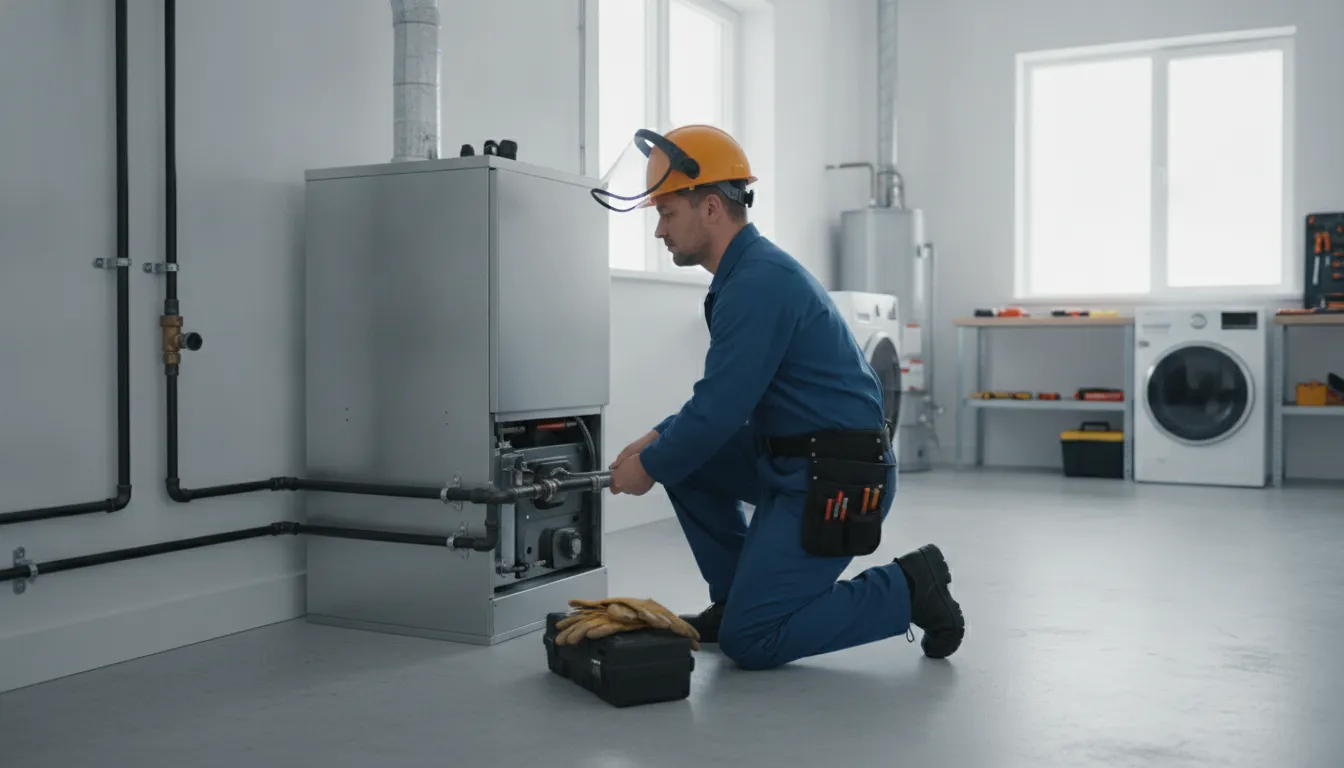
Adding a gas appliance, outdoor kitchen, pool heater, or generator can improve how your home works, but the piping behind that upgrade deserves careful planning. In Riverside and San Bernardino County, the work must account for local requirements, approved materials, safe routing, and inspection.
Gas line installation should be handled by a licensed professional who can design the route, select code-compliant materials, secure required permits, and test the completed system for leaks. Proper installation matters because incorrectly installed lines can create serious risks, including gas leaks and fires.
For homeowners, the right starting point is understanding whether a new line, extension, or repair is actually needed and what the project will involve. That decision depends on the appliance, the existing utility layout, and the conditions at your property. The sections below explain the common reasons to plan this work and the safety considerations that should guide it.
When Do You Need a Gas Line Installation?
Homeowners often need a new gas line when a new appliance or outdoor feature requires fuel at a location that is not currently served. The work may involve extending an existing system, replacing an undersized line, or planning a new route from the gas meter. In Riverside and San Bernardino County, the right approach depends on the property layout, appliance requirements, available capacity, and applicable California codes.
Adding or replacing gas appliances
A kitchen remodel may include a gas range or cooktop, while a laundry upgrade may call for a gas dryer connection. Homeowners may also need a dedicated line when replacing an electric water heater with a gas model, or when installing a new furnace. These appliances should receive the correct gas volume and pressure for reliable operation. A professional can evaluate the existing system before the appliance is connected, rather than assuming an available stub-out is adequate.
Creating an outdoor cooking or recreation area
An outdoor kitchen, built-in grill, or fire feature can require a properly routed line from the home or meter. Pool and spa heaters are another common reason for a gas line project. Because these appliances can have substantial fuel demands, the installer must account for the total load on the property, not just the distance to the new equipment. Trenching, access, shutoff locations, and protection from physical damage also affect the installation plan.
Installing a generator
A whole-house generator typically needs a dependable gas connection sized for its operating requirements. During an outage, an undersized or poorly planned line can prevent the generator from performing as intended. The same planning applies when a furnace or other major gas appliance is replaced with a newer model that has different specifications.
As a broad reference, one industry source places the national average cost of gas line installation at about $523. But that figure is not a quote for Inland Empire work. Actual California costs vary with permits, trenching, pipe length, materials, access, appliance load, and required corrections. A site assessment provides a more useful estimate. For background on the company’s approach to complex home services, review Diamond House Plumbing’s professional overview.
Black Iron vs. CSST: Choosing the Right Gas Line Material
Material selection affects how a gas line is routed, supported, connected, and inspected. Black iron pipe and corrugated stainless steel tubing (CSST) can both be appropriate, but neither is automatically the best choice for every property. The layout, appliance demands, installation conditions, and applicable California requirements should guide the decision.
| Property | Black iron pipe | CSST |
|---|---|---|
| Material and design | Traditional rigid steel pipe assembled with threaded fittings and joints. | Flexible corrugated stainless steel tubing used with approved fittings and termination points. |
| Cost | Pricing reflects pipe, threaded fittings, supports, labor, and the difficulty of routing a rigid system. A national average cited by one plumbing source is approximately $523 for gas line installation, but local project costs vary significantly. | Material and labor costs depend on the length, fittings, access, and required protection. Its routing flexibility may reduce labor in some layouts, but it does not guarantee a lower project cost. |
| Durability | Rigid and durable when correctly sized, supported, protected from damage, and maintained against corrosion. | Durable when installed within its listed applications and protected from puncture, abrasion, excessive heat, and other site-specific hazards. |
| Flexibility | Requires careful measurement and directional changes through threaded fittings. It works well where a strong, fixed route is practical. | Can navigate around framing and obstacles with fewer directional joints, which may simplify certain installations and appliance connections. |
| Code requirements | Must be sized, supported, joined, protected, pressure-tested, and inspected according to the applicable California and local building requirements. | Must be an approved product for the application and installed according to its listing, manufacturer instructions, California requirements, and local code. |
| Bonding requirements | Required grounding and bonding details depend on the complete gas and electrical system and the adopted code requirements. | Proper bonding is essential. Without the required bonding, an electrical event can damage the tubing and create an arcing hazard. |
Why bonding matters with CSST
CSST is not simply a flexible substitute for every section of black iron. The tubing system must be bonded correctly so electrical energy has a suitable path and does not arc through the tubing. The bonding method, connection point, and installation details should be confirmed by a qualified professional and verified during inspection.
Choosing based on the installation
For either material, gas line installation is a complex task requiring professional licensing and strict adherence to California building codes. The right choice depends on the route, pipe sizing, appliance locations, structural access, exposure risks, and local inspection requirements. A licensed plumber can evaluate those conditions, explain the tradeoffs clearly, and install the selected system with the required testing and documentation.
Permits and Building Codes for Gas Line Installation in the Inland Empire
In Riverside and San Bernardino County, gas line installation is governed by California safety standards and local building department requirements. A permit is generally required when a new gas line is installed, rerouted, extended, or connected to an appliance. The exact application process can vary by jurisdiction, property type, project scope, and whether the work is residential or commercial.
Why licensing and permits matter
Gas piping is not an ordinary home repair. California treats this work as a complex task that requires professional licensing and strict adherence to applicable building codes. Unlicensed gas line work is not a lawful substitute for a permitted installation. And a property owner may face failed inspections, correction orders, insurance complications, or safety hazards if required approvals are skipped.
A licensed professional can evaluate the existing system, confirm that the planned work is suitable for the structure. Select code-compliant materials, and prepare the documentation required by the local building department. Depending on the project, the review may involve pipe sizing, appliance demand, shutoff locations, venting, clearances, pressure testing, and connection details. The installation should not be covered or placed into service until required inspections have been completed.
Allow time for review and inspection
Homeowners should plan for more than the time spent placing pipe. The typical gas line installation process takes approximately four to six weeks when paperwork, permitting, scheduling, and the physical installation are considered. Actual timing can vary with plan-review requirements, inspection availability, site conditions, and corrections requested by the building department. This timeline is a planning estimate, not a guaranteed completion date.
Before work begins, ask the contractor which agency will issue the permit and who will schedule the inspection. Keep permit records and inspection results with your property documents. A thorough plumbing system inspections approach can also help identify related pipe or connection concerns before they complicate the project.
Requirements vary across the Inland Empire
Riverside and San Bernardino County include multiple cities and local jurisdictions, so requirements are not necessarily identical from one address to the next. A qualified contractor should verify the rules with the building department serving the property, obtain the necessary permit, coordinate inspections, and address any correction before final approval. That process protects the property, supports safe operation, and creates a clear record that the gas line installation was completed according to applicable code.
Why Professional Gas Line Installation Is the Only Safe Choice
Gas piping is not a routine home improvement project. It affects fuel delivery, combustion, ventilation, and the safety of everyone in the building. In California, gas line installation requires professional licensing and careful compliance with local building codes. A qualified plumber can evaluate the route, select approved materials, complete required testing, and identify hazards that may not be visible after the work is covered.
Underground lines require more than caution
Before any trenching or excavation begins, the work area must be approached as if utilities may be present. Gas lines are commonly marked with yellow paint, flags, or stakes. Call 811 before digging so underground utility lines can be located and marked. The National Institute for Occupational Safety and Health also advises that a ruptured gas line requires immediate evacuation. Followed by notification of the fire department and gas utility company. These are emergency procedures, not steps to improvise while continuing a project. Review the NIOSH gas-line safety guidance for the full response protocol.
A gas leak may not announce itself
Many people expect the odor of natural gas or propane to provide an unmistakable warning. However, odorant can fade, so smell alone is not a dependable detection method. A professional installation reduces the risk of leaks by using the right fittings, connection methods, clearances, and pressure tests. Improperly installed gas lines can lead to leaks and fires, while faulty fuel-burning equipment or ventilation problems can contribute to carbon monoxide exposure. Carbon monoxide poisoning causes an average of about 400 deaths annually, according to the safety information cited in this research. Learn more about carbon monoxide risks associated with gas systems.
Shortcuts create long-term liability
Some online guides present gas line work as a way to reduce project costs. That advice cannot account for the conditions inside your walls, the requirements of your local jurisdiction, or whether an installation will pass inspection. A mistake can create an immediate hazard, damage appliances, complicate insurance claims, and require the entire line to be opened and corrected. Licensed work provides a documented, code-conscious approach and a professional point of accountability.
The same standard applies to every buried or concealed utility line. When you need professional plumbing expertise, choose a team that treats safety, verification, and long-term reliability as part of the installation, not as optional extras.
What to Expect During a Professional Gas Line Installation
A professional installation follows a planned sequence so the work is safe, code-compliant, and ready for inspection. Your plumber should explain each stage, identify decisions that affect the project, and keep the work area orderly from the first visit through final connection.
- Initial consultation and site visit. The plumber reviews the appliance or equipment you want to serve, evaluates the existing gas system, and traces the proposed route. The site visit helps identify access points, distances, soil or structural conditions, and whether other utilities may affect the installation. You should receive a clear scope of work and an explanation of the expected next steps.
- Permit application and paperwork. Gas line work in California requires professional licensing and strict adherence to local building codes. The installer prepares the required permit information and coordinates the paperwork with the applicable city or county authority. Waiting for approvals is part of the project, not an unexpected delay.
- Material selection. Based on the route, location, local requirements, and appliance connection, the plumber selects an appropriate piping system. Common options include rigid black iron pipe and flexible corrugated stainless steel tubing, often called CSST. The selected materials and fittings must be suitable for the installation and installed according to applicable requirements.
- Pipe installation and connection. The crew installs the approved route, secures the piping, and makes the connections to the existing system. Work may include carefully accessing walls, floors, crawl spaces, or exterior areas. A professional installation is designed to protect the pipe and maintain appropriate clearances around the appliance and other building components.
- Pressure testing and leak inspection. Before the line is placed into service, the installer tests it for pressure integrity and inspects the fittings and connections for leaks. Any issue must be corrected before the system proceeds to the next stage. This inspection is a critical safety check, not just a final formality.
- Final appliance connection. Once the line passes testing, the plumber connects the approved appliance or equipment, verifies operation, and checks that the connection is functioning as intended. The crew should also explain any relevant shutoff location and leave the area clean.
- City or county inspection and sign-off. The permitting authority completes its inspection, and the project is closed out after the work receives approval. From paperwork and permits through installation, the overall process typically takes about four to six weeks, although the exact schedule depends on project scope and inspection availability. For related plumbing system inspections, a professional evaluation can help identify additional concerns before work begins.
Frequently Asked Questions
How much does gas line installation cost?
The total depends on the distance, access, material, appliance connection, permitting, and site conditions. One published national estimate places the average around $523, but that figure is only a broad reference and may not reflect work in Riverside or San Bernardino County. A licensed plumber should inspect the property and provide a project-specific estimate.
How long does a gas line installation take?
Many projects take about four to six weeks when paperwork, permits, scheduling, installation, and inspection are included. The physical work may take less time, but the overall timeline depends on local requirements, project complexity, and inspection availability. Your contractor should explain the expected sequence before work begins.
Do I need a permit to install a gas line?
Gas line work commonly requires permits and must comply with applicable California and local building codes. Requirements can vary by jurisdiction and project scope, so confirm them with the permitting authority or a licensed plumbing professional before work starts. Proper permitting also helps ensure the installation is inspected and documented correctly.
What should I do if I suspect a gas line was damaged?
Leave the area immediately and keep people away. Do not operate switches, use flames, or attempt to repair the line. Contact the fire department and the gas utility company from a safe location. Do not rely on smell alone, because the odorant added to natural gas or propane can fade. (CDC/NIOSH: https://www.cdc.gov/niosh/docs/2021-106/pdfs/2021-106revised012022.pdf)
Ready to Schedule Your Gas Line Installation Consultation?
Professional planning helps ensure your gas line installation is approached with safety, permits, and local requirements in mind. Schedule your consultation with Diamond House Plumbing to discuss your project and determine the appropriate next steps for your home. Contact us today to get started.

Leave a Reply