
Houses built between 1945 and 1970 often hide a fragile sewer line made of packed paper. This material is now reaching the end of its life and putting local homeowners at risk.
Schedule a sewer camera inspection to see whether an aging Orangeburg sewer pipe is losing its shape before a backup damages your home.
Orangeburg sewer pipe is a black fiber line made of wood pulp and coal tar that was very common in many older Inland Empire homes. This material is basically a fragile tube of packed paper that lacks the strength to resist heavy soil or roots after fifty years of use. Most of these pipes are now flattening or dissolving in the soil which often causes slow drains, lush lawn spots, and eventual sewer backups. Finding these issues early is the best way to choose between simple trenchless repairs or a full pipe replacement for your home plumbing system. According to Nordic Home Inspection, these lines are now well beyond their planned use and are very prone to rot.
You must know how these old lines work before you can spot the warning signs in your yard. We explain the history and common problems in our section on What is Orangeburg sewer pipe? The path begins with a closer look at these facts.
What is Orangeburg sewer pipe?
Orangeburg sewer pipe is a brand of pipe made from wood pulp and coal tar. Experts call this type of pipe fiber pipe. Many homes built in the mid-1900s used this stuff for their sewer lines. While it worked for a time, these pipes are now failing for many people.
What it is made of
This pipe is made from layers of wood pulp that have been pressed together. These layers are soaked in coal tar to keep water out. From 1946 to 1970, makers often added asbestos or other minerals to the mix for more strength. You can find more about this stuff in this info sheet on fiber pipe.
The final product is a black pipe that looks like a thick cardboard tube. Because it is made of pulp, it is quite light. But as it gets old, the layers can start to peel or soft spots can form. This makes the pipe very weak. It can even cave in under the weight of the dirt above it.
A history of use
Orangeburg pipe was a top choice for sewer systems from the 1940s to the 1970s. It became very well known during the housing boom that followed World War II. At that time, steel and iron were hard to find because of the war. Builders needed a practical, readily available way to run sewer lines for new homes.
The use of this pipe came to an end in the early 1970s. This was when PVC pipe became the new way to build. The main maker of Orangeburg pipe closed its doors for good in 1974. Most pipes from that era have now reached or passed their expected life of 50 years.
Why your local home may have it
Many older homes in Riverside and San Bernardino County still have these pipes today. If your home was built between 1945 and 1970, there is a good chance your sewer system uses Orangeburg pipe. This is mostly true for homes that have not had a full sewer line update in recent years.
Because these pipes are reaching the end of their life, it is wise to check their state. If you notice slow drains or clogs, you might need an expert sewer check to find the cause. Catching a weak pipe early can help you avoid a messy and costly backup in your home.
Which Inland Empire properties may have Orangeburg pipe?
Many homes in the Inland Empire were built in the middle of the last hundred years. During this time, builders often used an **Orangeburg sewer pipe** for new home systems. This pipe type was a common choice during the building boom after the war. If your home in Riverside or San Bernardino County was built between 1945 and 1970, it might have these pipes. The housing boom led many builders to use this style of pipe on local streets. This type of pipe is made from layers of wood pulp and coal tar. It was popular because it was light and easy to move.
Homes built in the post-war era
Houses built from the late 1940s through the 1960s are the most likely to have these lines. During these years, the need for new homes grew very fast. Steel was hard to get because of the war, so crews used fiber pipe instead. Builders liked it because it did not cost much to buy or set up. While it was easy to install, it does not last as long as modern PVC. Most pros say that any home built right after the war is likely to have this type of pipes. These lines were meant to last about 50 years, so many are failing now.
Common spots in Riverside and San Bernardino
In our area, many old streets still use these first sewer lines. This includes home areas in Riverside, Redlands, and San Bernardino. Since the pipe was used for about thirty years, many local lots have it in the ground. These pipes are black and can get soft as they age. They are prone to root growth and collapse over time. Trees like to send roots into the soft pipe to get to the water. This can cause slow drains or even a full sewer backup in your house. Once the pipe loses its shape, it can no longer move waste away from your home.
How to check your home records
It is hard to know what is under your lawn without help. You can start by looking at the age of your home in local records. If your house was built before 1970, the builder may have used fiber pipe. The making of Orangeburg pipe followed old rules until the mid-1970s. These rules made sure the pipes had the right amount of tar. Once PVC became the new choice, the use of fiber pipe ended. You can also look for signs like slow drains or lush spots of grass in the yard. These often show that a pipe is starting to break down. If you see these signs, you may need a pro to look at your lines.
How long does Orangeburg pipe last?
Most Orangeburg sewer pipe systems have a life span of about 30 to 50 years. While some pipes might last a bit longer, many lines are now well past their intended use. These pipes were popular from the 1940s to the 1970s because they were light and easy to install. But they were never meant to last as long as modern tools like PVC. If your home was built during the housing boom after World War II, your sewer lines might be near the end of their life.
The risk of pipe failure
The main issue with Orangeburg pipe is its material. It is made from layers of wood pulp held together by coal tar. Over time, these layers can pull apart or soften due to water flow. This process often leads to a full system failure. Many of these bituminous fiber piping systems now need a full change. They have become too fragile to work. You may notice slow drains or foul smells when the pipe starts to break down.
Common causes of collapse
There are several ways these lines fail as they age. Since the walls are made of soft wood fibers, they can flatten under the weight of the soil above them. This change in shape often causes the pipe to blister or peel on the inside. Tree roots are another big threat. Roots can push through the soft walls and cause a blockage. When roots get inside, they quickly grow and lead to a collapsed sewer line that needs a pro fix.
Signs you need a check
It is hard to know the state of your pipes without a close look. Since these pipes are buried deep, you need expert tools to find problems. A pro team can use cameras to see if the line is still round or if it has started to fail. This step is vital for people in Riverside and San Bernardino County who live in older homes. Finding a problem early can help you avoid the high cost of a sudden sewer backup or a full yard dig.
Orangeburg sewer pipe warning signs
It can be hard to tell if you have an Orangeburg sewer pipe problem just by looking. Since these pipes stay buried deep underground, most homeowners only notice something is wrong when their drains stop working. If your home was built between 1940 and 1970, you should watch for a few key clues that your main line is failing. Finding these signs early can stop a major backup.
Common home plumbing issues
When an Orangeburg sewer pipe starts to fail, it often shows signs inside the house first. You might notice that your sinks or tubs take a long time to empty. This happens because the pipe walls can flatten or collapse over time. These changes slow down the flow of waste and water through your main line. As city building experts say, drain problems are often from a block or a pipe failure. When this happens, the system may run very slowly or even back up into your home. You should look out for these clear issues:
- Slow drains that do not get better with a plunger.
- Often having clogs in your toilets, tubs, or sinks.
- Foul odors coming from your yard or floor drains.
- Lush, green patches of grass in one area of your lawn.
- Water backing up into your shower when you run the sink.
Main line vs local clogs
It is key to know if your problem is in one pipe or the whole system. A local clog usually only affects one sink or toilet in the house. If you have a clog in just the kitchen sink, it is likely a small issue you can fix with ease. But if many parts of your home are backing up at once, the problem is often in the main sewer line. Orangeburg pipes are made of wood pulp and coal tar, which makes them soft and weak as they age. Over time, tree roots can push through the pipe walls to reach the water inside. This is called root infiltration, and it is a major cause of total pipe failure. If you see water coming up in several drains, your main sewer line likely needs a check.
When to call a plumber
If you think your pipes are failing, you should not wait to get help from an expert. A small backup can quickly turn into a messy flood that ruins your floors. A skilled plumber can use a special camera to look inside your sewer line. This is the best way to see the state of your pipes without digging up your whole yard. The camera shows if the pipe is oval-shaped, which is a common sign of a failing Orangeburg line. An expert pro check is needed to find out if your pipes are failing or just blocked. If your Orangeburg pipes are flat or broken, a plumber can help you choose the best way to fix them. You might need to replace the line or use trenchless tools to restore the flow. Acting fast can save you from big repair bills and home damage later.
What does a sewer camera inspection reveal?
A sewer camera inspection can identify Orangeburg pipe, show oval or flattened sections, locate root intrusion, and measure where a collapse or blockage begins. The recorded view helps a homeowner compare targeted repair with full replacement based on visible pipe condition rather than guesswork.
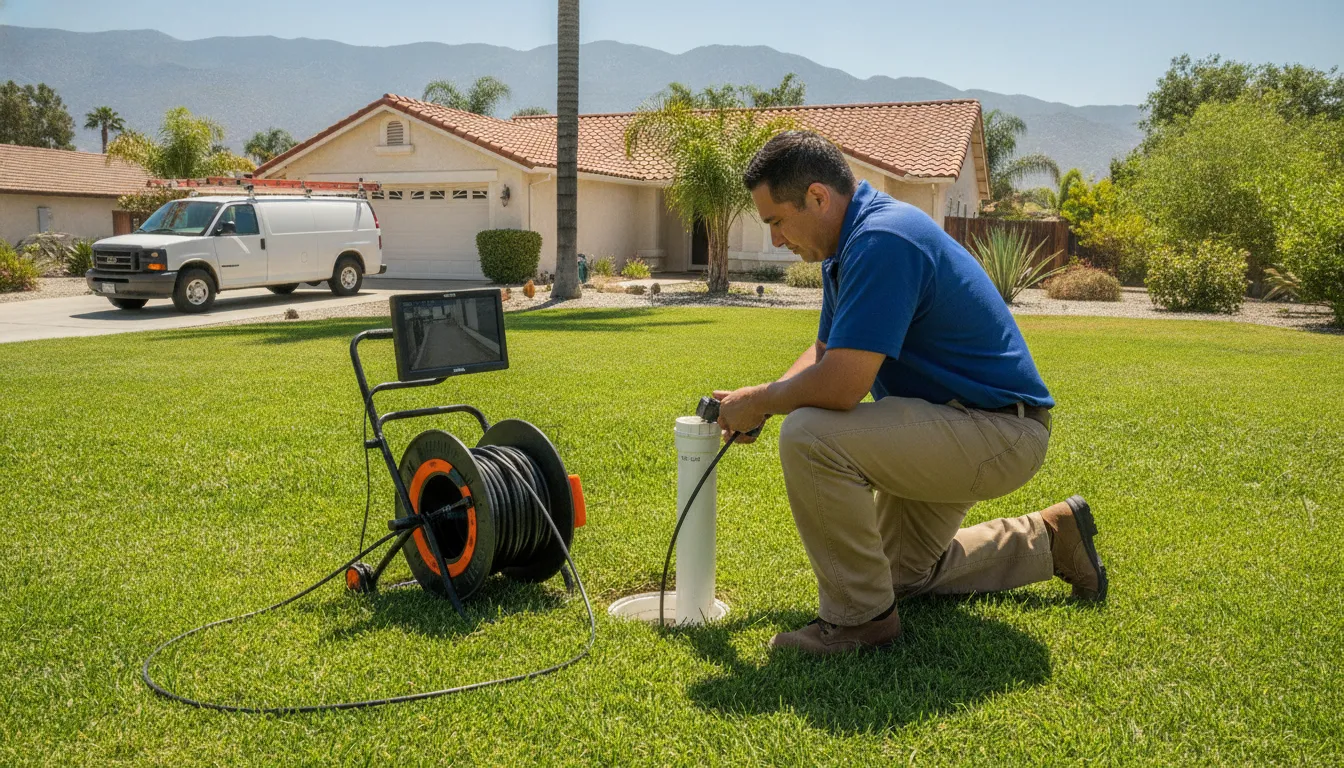
A sewer camera inspection is the best way to find out what is happening inside your pipes. This tool uses a small camera on a long cable to show real video of the line. It helps pros find issues like a block, break, or old pipe material. If you have slow drains or backups, follow this sewer camera inspection guide to understand the process and find the root cause before you spend money on big repairs.
Common sewer pipe issues
The camera show many common problems that slow down your system. It can find clogs from grease or flushable wipes that get stuck in the line. More serious finds include tree roots that grow through pipe joints or cracks. The video also shows if the line has bellies, which are low spots where water and waste sit and cause smells.
For homes built between 1940 and 1970, the camera can find Orangeburg sewer pipe. This pipe is made of wood pulp and coal tar, which makes it very soft and weak as it gets old. The camera will show if these pipes are losing their shape or if they have failed completely over time. Finding these issues early helps you plan for a fix before the pipe falls in on itself.
How the inspection works
- Access the line: The tech finds a cleanout or a roof vent to enter the system.
- Insert the camera: A waterproof camera goes into the pipe to record the full run.
- Check the material: The pro looks for signs of fragile fiber pipe or old clay.
- Map the damage: If a break is found, the pro uses a sensor to find the exact spot in your yard.
- Review findings: You see the video and learn if you need a quick clean or a new line.
Why video evidence matters
Seeing the damage for yourself takes the guesswork out of plumbing. Video proof shows exactly where a leak or break is, so you do not have to dig up your whole yard. It also shows if the pipe is in good enough shape for a trenchless fix. This proof helps you make a smart choice about your home and can save you a lot of time and money on your next project.
Orangeburg pipe repair and replacement options
Orangeburg pipe may qualify for a localized repair or trenchless method only when enough of the original line remains structurally sound. A fully flattened, blistered, or collapsed line usually needs complete replacement. Camera findings, access, depth, and damage length determine the practical option.
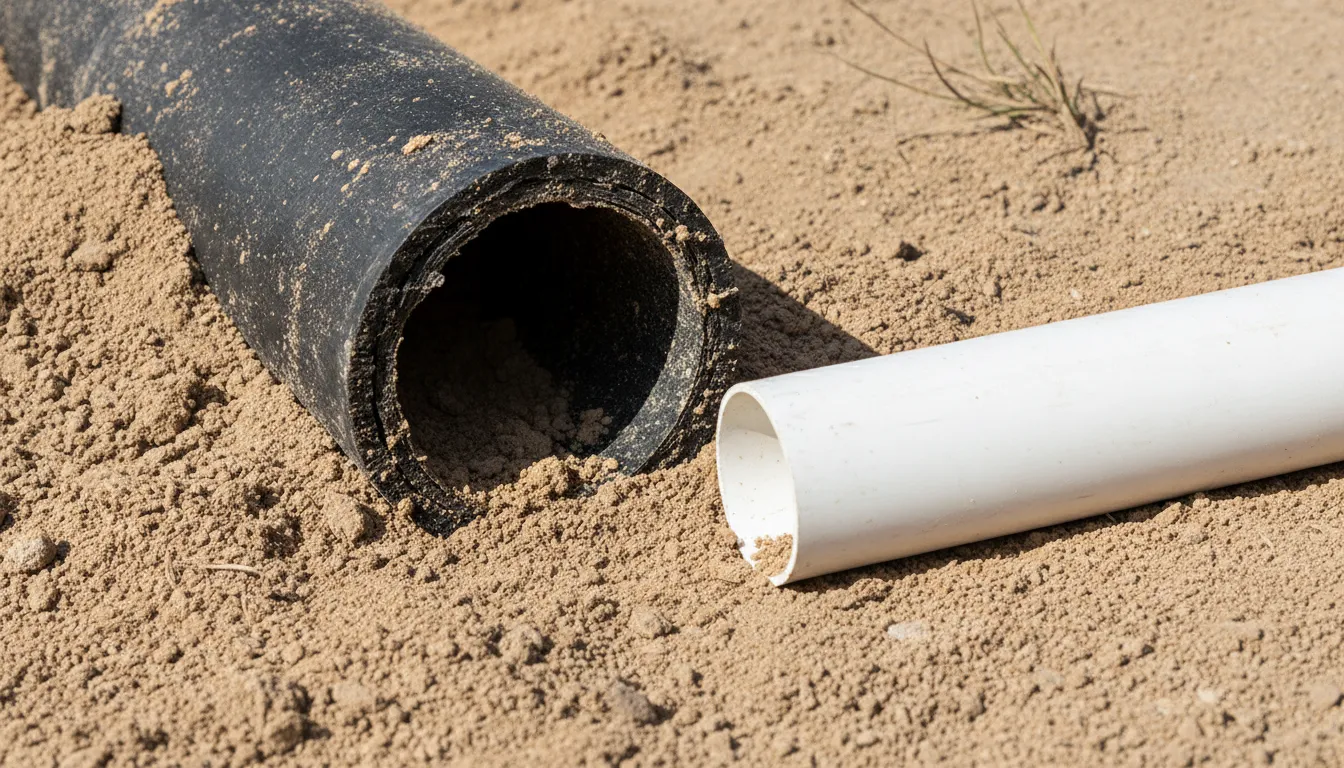
Choosing the best way to fix an Orangeburg sewer pipe depends on some key factors. You must look at the age of the line, how much it has failed, and where it sits on your land. These pipes use layers of wood pulp and tar that tend to get soft and flat as they get old. A pro can help you decide if you can save the line or if you need a new one. Compare sewer repair services vs replacement to learn which choice may fit your home.
Spot repair for local issues
A spot repair is a quick way to fix one small break in the line. If a tree root poked a hole in one joint, the rest of the pipe might still be round. A plumber can dig a small hole to fix just that part. This costs less than a full job at first. But you should know that the rest of the pipe is still made of the same old material. Many bituminous fiber piping systems fail in many spots over time. Fixing one hole may not stop a new leak from starting a few feet away next year.
Trenchless sewer pipe options
Trenchless methods are often the best choice for people who want to keep their yard safe. One common way is called pipe lining. A pro pulls a felt tube soaked in a special resin through the old Orangeburg sewer pipe. Once the resin gets hard, it forms a new, tough wall inside the old line. Another way is pipe bursting. This pulls a new PVC pipe through the old one and breaks the old pipe apart as it goes. These paths work well if the pipe has not fully collapsed yet. They save you from having to dig up gardens or paths.
Complete pipe replacement
If your Orangeburg sewer pipe has flat spots or has fully caved in, you likely need a full replacement. This means a crew will dig a trench to take out the old line and put in new PVC. While this takes more work and can mess up your lawn, it fixes the root of the problem. PVC has been the main choice for sewer lines since the 1970s because it lasts a long time. For homes in Riverside or San Bernardino County, a full update gives you peace of mind. It ensures your waste moves safely away from your home without any new clogs or leaks.
| Repair Method | Best Use Case | Yard Impact | Typical Cost | Lifespan |
|---|---|---|---|---|
| Spot Repair | One small leak | Low to Medium | Lower | Short term |
| Pipe Lining | Structural cracks | Very Low | Medium | 50+ years |
| Pipe Bursting | Severe damage | Low | Medium to High | 50+ years |
| Full Trenching | Total collapse | High | Varies by depth | 50+ years |
The path you take also depends on how hard it is to get to the pipe. If the line is deep or runs under a big structure like a garage, trenchless tools can save a lot of money. A plumber will use a camera to check the inside of the pipe first. This shows if the walls are still round or if they have turned into an oval shape. If the pipe is too flat, lining will not work. A full check helps you avoid spending money on a fix that will not last. It is better to do the job right the first time than to pay for more repairs later.
What should you do if you suspect Orangeburg pipe?
If you think your home has Orangeburg sewer pipe, you must act fast. This stuff is weak and fails as it gets old. Many people try to fix the signs of a bad line. They might snake the drain or use drain cleaners to clear roots. But these steps only hide the real problem for a short time. You should not waste money on quick fixes that do not solve the main issue. Instead, you need a plan to find the truth about your pipes.
Get a camera check
The first step is to see what is going on inside your sewer line. A skilled team can use a special camera to look at the pipe. This tool moves through the line and sends back a live view. It helps find cracks, roots, or spots where the pipe has lost its shape. Since Orangeburg pipe is made of wood pulp and coal tar, it can flatten or break over time. A camera test is the best way to know if your line is still safe to use.
An expert can tell the gap between a simple clog and a deep failure. They look for the black, layered look of the old fiber pipe. These checks are vital for homes built between the 1940s and 1970s. You should be careful when you buy a house from this era. New owners should check the sewer line to avoid big costs later. A clear view lets you see the damage for yourself.
Note your plumbing signs
While you wait for a pro, keep track of any issues you see. Common signs of failure include slow drains and foul smells. You might also notice lush green spots on your lawn or water backing up into your sink. Writing these down helps the plumber find the trouble spots. You should also note how often you need to clear the line. Frequent clogs often mean the pipe walls are starting to sag or break.
Correct records are helpful when you plan for a long-term fix. They show how fast the pipe is getting worse. Many systems made of bituminous fiber need to be replaced because of many failures. Having a list of signs helps you explain the need for work to others. It also makes sure you do not miss any small details during the real check.
Look at your repair choices
Once you know you have Orangeburg sewer pipe, you must choose how to fix it. You might not have to dig a huge trench in your yard. Some homes can use trenchless pipe repair. This method can fix the line without moving a lot of dirt. But if the pipe has now collapsed, you may need a full dig. A pro will help you choose which path is right for your house and budget.
New pipes are an expert job that needs a skilled team. You should ask for a full quote that covers all the work. Modern pipes like PVC are now the norm because they last much longer. Choosing a high-grade type now will protect your home for years. Do not wait for a full backup to start looking at your choices. Knowing your options early gives you more time to make a smart choice.
Contact Diamond House Plumbing to review your camera findings and compare the right sewer repair or replacement path before the line fails completely.
Frequently Asked Questions
Does Orangeburg pipe contain asbestos?
Yes, many Orangeburg pipes made from 1946 to 1970 contain asbestos or other mineral fibers to add strength. According to Inspectapedia, these pipes are black and made of fragile layers of wood pulp. While the asbestos is locked inside the coal tar, these lines need careful handling during any removal. Local home owners should always have a pro check their sewer lines if they think they have this old material in their yard.
Can Orangeburg sewer pipes be fixed without digging?
Yes, some Orangeburg pipes can be fixed with trenchless tools that do not need you to dig up your whole lawn. These methods allow a pro to line the old pipe with a new coating or pull a new line through the old one. However, this only works if the pipe has not fully collapsed or lost its round shape. A professional check is needed to see if your sewer line is a good fit for these repair choices.
Is Orangeburg pipe actually orange?
No, Orangeburg pipe is not orange. The name comes from the town of Orangeburg, New York, where the main factory was once located. In reality, the pipe is black because it is soaked in coal tar to help it resist water. Over time, these pipes can become very soft and weak when they sit in wet soil for years. Many people find that their old fiber pipes look more like wet cardboard than a strong plumbing line.
What is the best way to replace an old Orangeburg sewer line?
The best way to replace an old Orangeburg line is usually with modern PVC pipe. PVC is much stronger than wood pulp and resists root growth and soil weight much better. According to the APWA, the use of fiber pipe ended when PVC became the new standard in the 1970s. Most experts suggest a full change of the line to prevent more failures. A skilled team can help you pick the best new pipe for your home.
Ready to check your old Orangeburg sewer pipes?
Waiting to check old Orangeburg pipes in your yard can lead to a messy break that costs more than a simple and quick check today. By taking a look at your sewer line now, you can stop a major backup before it starts and save yourself from a big plumbing cost. Acting fast means you pick the best path for your home and keep your yard safe from any big leaks or messy sewer pipe breaks.
Ready to schedule a sewer camera inspection? Contact Diamond House Plumbing today to book your pipe check. This step keeps your home safe from any future leaks or messy sewer backups and gives you peace of mind.

Leave a Reply