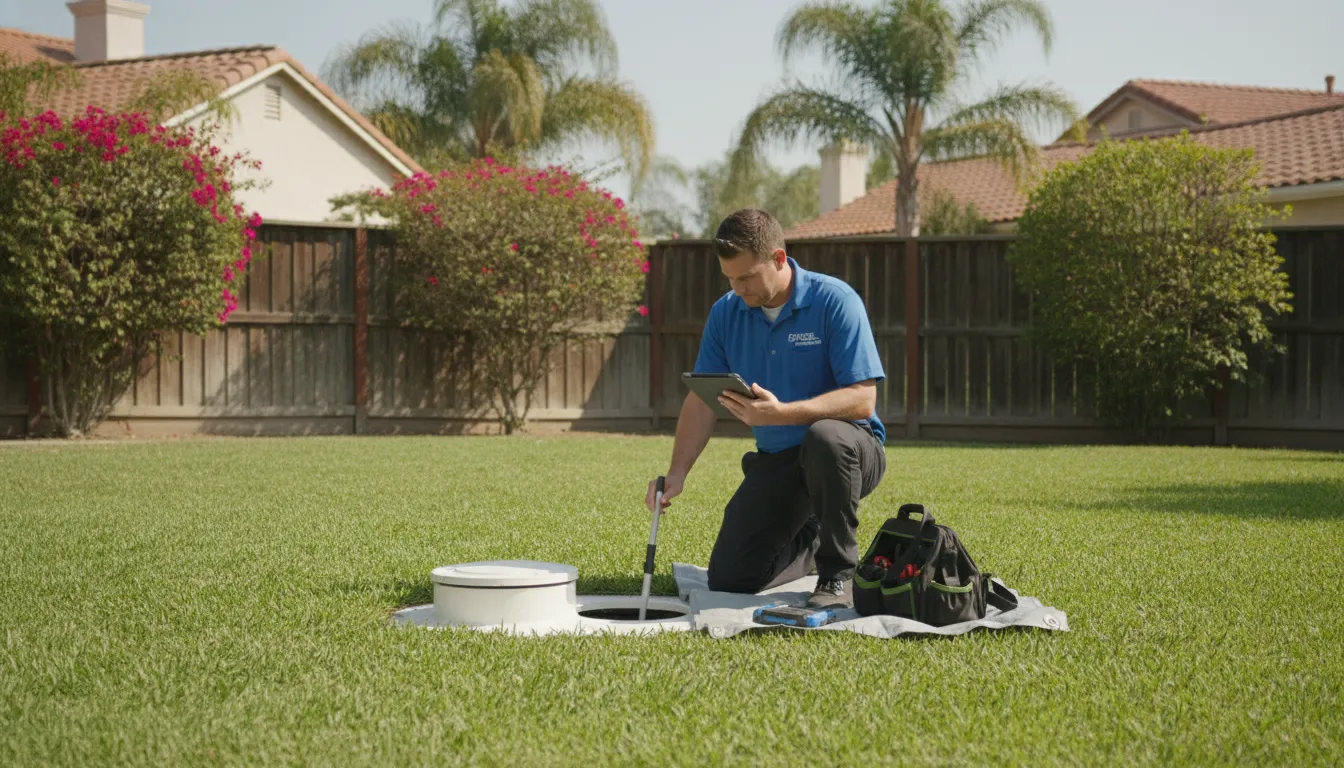
Running a household septic system without regular care is a quiet gamble that eventually ends in a very expensive, messy backup. If you own property in the Inland Empire, you need a smart plan to keep your wastewater treatment working smoothly.
Proper septic system maintenance Riverside County requires a combination of regular inspections, routine pumping, and smart daily habits to protect your drainfield. Homeowners should have their septic systems inspected by a licensed professional at least once every three years, according to the United States Environmental Protection Agency. In addition to inspections, most standard household tanks need pumping every three to five years to remove accumulated solids. Neglecting these essential tasks can lead to total system failure, soil contamination, and violations of Riverside County environmental health codes that require detailed service records during property transfers.
Protect your home and investment today , schedule your professional septic inspection with Diamond House Plumbing and keep your system running safely all year.
Protecting your home and investment from these issues is simpler than it seems when you understand the basic rules of care. Taking action now helps you avoid expensive system failures and keeps your yard safe. Let us explore why regular septic maintenance matters for Riverside County homeowners and see what steps you must take to maintain a healthy system.
Septic System Maintenance Riverside County: Why Regular Septic Maintenance Matters for Riverside County Homeowners
Every home needs a safe way to handle waste. For many properties in the Inland Empire, a private septic system is the only option. But out of sight often means out of mind. Ignoring your system until it backs up can lead to major health risks and massive repair bills.
Protect Your Health and Water
An overlooked tank does more than cause bad smells. If you do not keep up with regular care, you risk your family’s health. Improperly maintained septic systems can leak raw sewage into the ground. This waste can reach and contaminate local drinking water sources. It also pollutes nearby soil and harms local wildlife. Proactive septic system maintenance is the best way to keep your household safe and protect the local environment.
Save Thousands in Avoidable Costs
Some property owners skip septic service to save money. But this choice backfires when the system fails. A standard tank pumping job costs about $300 to $500. On the other side, an emergency drainfield replacement can cost between $5,000 and $15,000. Neglect turns a small, simple task into a huge financial blow. Regular checkups find minor issues early before they ruin your yard and your budget.
Meet Local Property Rules
Riverside County has strict laws to keep the local water supply clean. When you sell or transfer a property, you must show that your system works. Riverside County requires septic inspections and clear maintenance records for property transfers. If you do not have these papers, you could face costly delays or fines. Keeping good records ensures you are always ready for county checks.
How Often Should You Inspect and Pump Your Septic System?
Regular septic tank pumping schedules are vital to keep your home running smoothly. For most homeowners, understanding the exact timeline helps prevent major sewage issues and protects your yard. Let us look at how often your system needs professional care to stay in top shape.
The Standard Pumping and Inspection Timelines
According to guidelines from the U.S. Environmental Protection Agency, the average household septic system needs an inspection at least every three years. These visits ensure the tank, pipes, and soil absorption area work as they should. However, some systems need more frequent checks. If your home has an alternative septic system with electrical float switches, pumps, or other mechanical parts, you should schedule an inspection once a year.
While inspections check the overall health of your setup, actual pumping has a different timeline. Most household septic tanks require pumping every three to five years. This service removes built-up solids before they can flow into your soil absorption field and clog the system. Keeping up with these services is the foundation of smart types of residential septic systems upkeep.
Four Key Factors that Affect Your Schedule
Not every home can stick to the exact same calendar. Several key details change how fast your tank fills up with solid waste. First, your household size plays a major role, as more people mean more waste. Second, the total volume of wastewater your home creates each day affects the system. Third, the amount of solids in your wastewater, such as food waste from disposals, speeds up solid buildup. Finally, your septic tank size determines how much waste it can hold before it needs service.
The Technical Rule for Pumping Your Tank
When a professional inspects your tank, they do not just guess if it is full. They measure the waste layers inside. Your tank needs pumping if the bottom of the scum layer is within six inches of the outlet pipe. It also needs service if the top of the sludge layer is within 12 inches of that same outlet. If the total depth of sludge and scum takes up more than one-fourth of the liquid depth, a pump-out is required. Monitoring these exact levels prevents sudden blockages and keeps your system working safely.
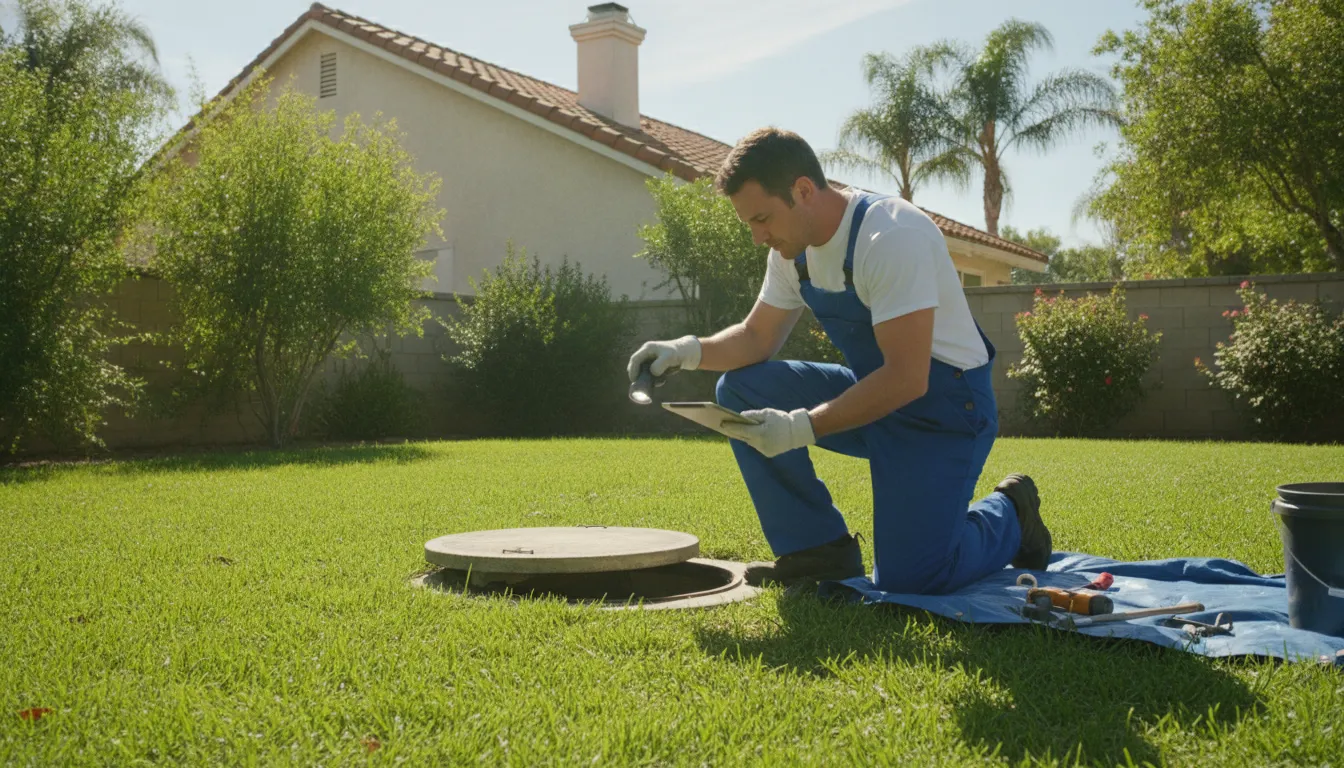
Proactive care is especially important for septic system maintenance Riverside County residents rely on to protect their local soil. Checking your tank regularly keeps your household waste in its place and avoids sudden repair bills.
Seasonal Septic Care Tips for Southern California Homeowners
Southern California weather brings unique challenges for your home waste system. The region is known for dry heat, but sudden winter storms can put heavy stress on your underground pipes. Following a clear plan for septic system maintenance Riverside County helps keep your system running smoothly through every season.
Understand Your Local Climate
In Riverside County, the weather shifts between long dry stretches and short periods of heavy rain. These rapid shifts directly affect how your soil absorbs water. Managing your system through these changes prevents major issues before they start.
Four Steps for Year-Round Septic Health
- Prepare for the heavy rain season: Heavy winter rains can saturate your drainfield soil. To prevent wastewater from backing up into your home, you must direct all rain runoff away from your septic area. Check that gutters and downspouts guide water far from your drainfield.
- Conserve water during hot, dry periods: Our warm summers put high demand on local water systems. Using less water is an excellent way to protect your septic tank. According to the U.S. Environmental Protection Agency, efficient water use improves how your septic system works and lowers the risk of failure.
- Monitor your yard after winter storms: Keep a close eye on your lawn after a big storm. If you notice soggy spots or pooling water over your drainfield, your soil may be overloaded. Saturated soil cannot clean wastewater properly, which can lead to system failures.
- Adjust your pumping schedule before the wet season: Do not wait for winter storms to schedule your tank service. Having a professional pump your tank in the fall ensures it has plenty of space for winter water loads. Regular service keeps your system safe when the weather changes.
What Not to Flush: Protecting Your Septic System from Daily Damage
Every item you wash down your drains or flush down your toilets has a direct impact on your system. To keep your home running smoothly, you must know what can safely enter your plumbing. For professional help keeping your tank clear, you can schedule septic services with a local expert.
The Danger of Everyday Items
Many household products are sold as safe for plumbing, but they can destroy a septic tank. According to the rules for septic care, you should only flush human waste and toilet paper. Items like wipes, feminine hygiene products, and paper towels do not break down in water. They gather in your pipes and tank, causing massive clogs that lead to sewage backups.
Cooking grease and harsh chemicals are also highly destructive. Grease cools and hardens inside your system, which blocks wastewater from reaching the soil. Strong cleaners and bleach kill the healthy bacteria your tank needs to break down solid waste. Excessive use of a garbage disposal also floods the tank with solid food waste, which fills the system much faster.
Leaky Fixtures and Tank Additives
A single plumbing issue can silently overload your entire system. For example, a leaky or running toilet can send as much as 200 gallons of water per day into your system, according to the Environmental Protection Agency. This constant flood of water does not give solids enough time to settle, which can ruin your drainfield.
Many homeowners try to use store-bought chemicals to avoid professional care. However, the EPA warns that septic systems do not require additives to function properly. These products do not replace the need for regular pumping. Relying on them can lead to major damage and expensive repairs down the road.
Quick Reference: What Belongs in Your Septic System
| Flush or Pour Safely | Damages Your System |
|---|---|
| Human waste | Baby wipes and cleaning wipes |
| Toilet paper | Feminine hygiene products |
| Biodegradable soap | Cooking grease and oil |
| Standard laundry detergent | Paper towels and napkins |
| Septic-safe household cleaners | Bleach and harsh chemicals |
| Water from sinks and showers | Dental floss and cat litter |
How Water Conservation Helps Your Septic System Perform Better
Using less water is a simple way to keep your septic system working well. Every gallon of water that goes down your drains must pass through your septic tank and into the soil. By lowering your water use, you give your system more time to break down solids. This easy step protects your system and helps you avoid major problems.
Why Water Use Matters
Your septic tank needs time to separate solids from liquid. High water volume pushes wastewater out of the tank before solids can settle to the bottom. Efficient water use improves septic system operation and reduces the risk of system malfunction. Several major factors influence how often you need to pump your system, including your overall household size, total wastewater volume, and tank capacity.
Four steps to Save Water Daily
- Fix leaks fast: Check your home for running toilets and dripping faucets. A single leaky toilet can send up to 200 gallons of water per day into your septic tank, which can quickly overload the system.
- Space out your laundry: Washing all your clothes on one day can flood your septic tank with water. Spread your laundry loads throughout the week to give your system time to process the waste.
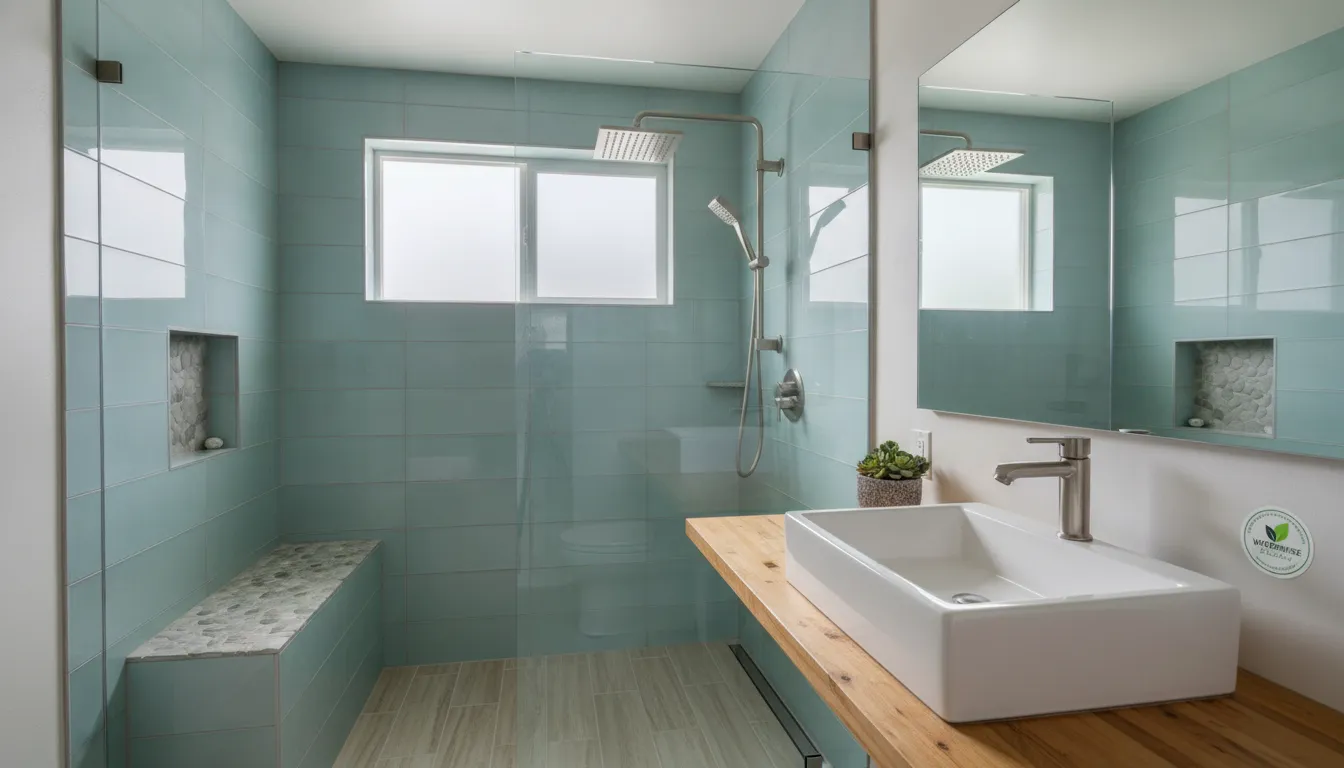
- Install low-flow fixtures: Replace old showerheads and toilets with high-efficiency models. These fixtures use much less water and keep excess water from filling your tank. If you need to upgrade your setup, learning about professional septic system installation options can help you plan your budget.
- Take shorter showers: Reducing your shower time by just a few minutes saves dozens of gallons of water. This simple habit keeps your drainfield from getting too wet.
Landscaping and Drainfield Protection Tips for Riverside Properties
The drainfield is a vital part of your home wastewater setup. Keeping this area safe is a key step in septic system maintenance Riverside County homeowners must take. Proper care prevents costly repairs and keeps your system running well for years. Simple landscaping choices can protect your pipes and soil from major damage.
Plant Only Shallow Grasses
The soil over your absorption field needs to breathe to treat wastewater. You should only plant shallow-rooted grass over this area. Grass prevents soil erosion but does not have deep roots that can clog your lines. According to guidelines from the U.S. Environmental Protection Agency, other plants can block soil air flow or damage pipes under the ground.
Keep Trees and Shrubs Far Away
Deep roots are a major threat to your septic lines. They search for moisture and can grow inside your underground pipes. This root infiltration blocks the flow of water and can crack your system. You must keep all trees and shrubs at least 20 feet away from the edge of your drainfield. If you plant them closer, you risk pipe breaks that require major repairs.
Avoid Heavy Vehicles and Soil Packing
Your absorption field relies on loose, porous soil to filter out waste. Heavy weight ruins this natural filter. You must never drive or park cars, trucks, or heavy equipment on your tank or drainfield. The heavy weight crushes plastic and clay pipes. It also packs the soil tight, which stops water from draining. For long-term septic system maintenance, keep all heavy traffic off this delicate zone.
Watch for Signs of Drainfield Trouble
You can often spot system issues by looking at your lawn. Watch for wet, soggy patches or bright green grass over your lines, even in dry weather. Bad odors or slow drains inside your home also point to drainfield failure. If you notice these warning signs, you should get a professional inspection right away to check your system.
Riverside County Septic Regulations Every Homeowner Should Know
Operating a septic system in the Inland Empire means following local rules to protect public health and the environment. The Riverside County Department of Environmental Health oversees these systems under local guidelines. Homeowners must understand their responsibilities under these rules to avoid fines and ensure their systems remain compliant during property sales.
County Permits and Construction Rules
You cannot install, repair, or modify a system without approval from local authorities. Riverside County requires an Onsite Wastewater Treatment System construction permit before any physical work begins on your property. This process ensures the system design fits your soil type and protects local water resources. To get started, homeowners can submit an application or ask questions by contacting the county department at DEHOWTS@rivco.org or calling 951-955-8980.
Property Transfers and Maintenance Records
If you plan to sell or buy a home with a septic setup, local rules directly impact the sale process. Riverside County septic regulations require specific inspection reports and system records when a property changes hands. A professional inspector must verify the system is in good working order before the transfer is finalized. Keeping detailed service receipts makes this step simple and proves you have prioritized regular septic system maintenance Riverside County rules expect.
Local Environmental Safety Standards
Local laws exist because poorly managed systems can pollute local groundwater and create severe health risks. The Environmental Protection Agency notes that neglected systems can ruin drinking water sources and harm local wildlife habitats. Homeowners can review official safety standards and guidelines on the Riverside County Department of Environmental Health website portal to stay compliant. Following these guidelines keeps your system running safely and protects the community water supply.
Frequently Asked Questions
How often should you pump a septic tank in Riverside County?
Most home septic tanks need to be pumped every three to five years. According to the EPA, the exact timing depends on your household size, how much wastewater you create, and the size of your tank. Regular pumping stops solids from reaching your drainfield and causing major damage.
Does Riverside County require septic system inspections?
Yes. Riverside County has rules for septic systems, and property owners must keep records. According to Diamond House Plumbing, the county requires septic inspection and maintenance records when you transfer or sell a property. Regular service checks help you stay in line with these local laws.
Do septic system additives replace regular pumping?
No. You should not use additives instead of pumping out your tank. The EPA states that septic systems do not need chemical or biological additives to work well. These products cannot break down solid waste enough to stop your tank from filling up over time.
What are the signs that a septic tank needs to be pumped?
You need to pump your tank if waste layers get too deep. The EPA recommends pumping when the bottom of the scum layer is within six inches of the outlet, or when the sludge layer is within twelve inches. Slow drains and wet spots on your lawn are also warning signs.
Schedule Your Septic Service in Riverside County Today
Delaying regular septic system care can lead to slow drains, sewage backups, and costly yard damage. By taking action today, you protect your drainfield and keep your home system operating safely for years to come. Our experienced local crew provides dependable septic tank pumping and complete system inspections that meet all county guidelines.
Ready to protect your property? Contact Diamond House Plumbing or call 800-674-9440 to schedule your professional septic system inspection today.
Leave a Reply