
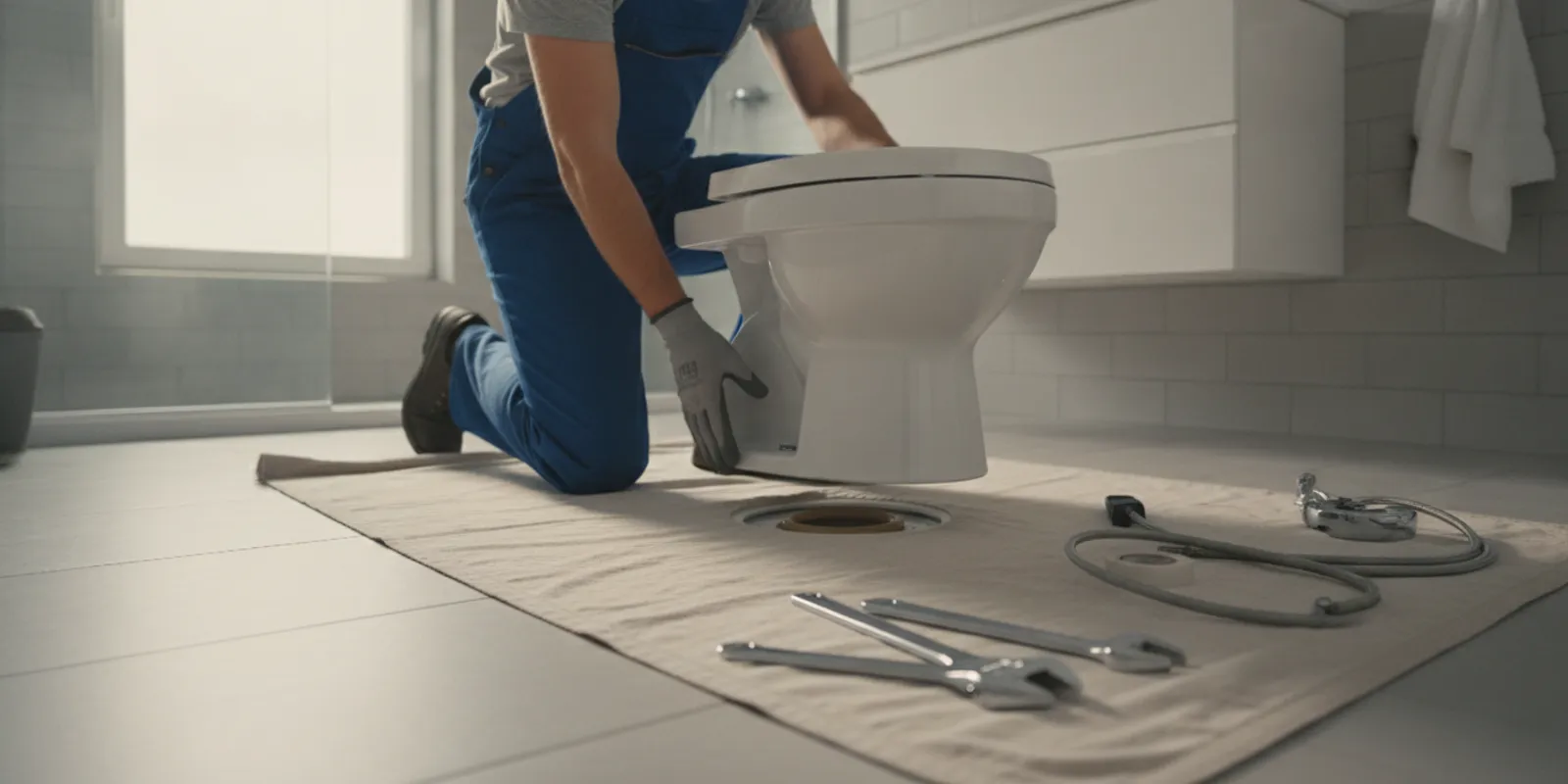
Toilet installation cost depends on more than the fixture itself. The toilet model, removal needs, condition of the flange and floor, access to the bathroom, and any plumbing changes all affect the work. Before booking, ask what a quote includes and how additional findings will be handled. These questions help homeowners compare proposals and plan a professional toilet installation without relying on an oversimplified price.
Request an installation estimate
Why can toilet installation cost vary?
Two bathrooms can need very different amounts of work, even when each is getting a floor-mounted toilet in the same general category. One project may involve removing an existing fixture and setting a compatible replacement. Another may require attention to a damaged flange, a shutoff valve that will not close, or a floor that has been affected by a long-term leak. A quote is useful when it describes the known work and makes clear which conditions cannot be confirmed until the old toilet is removed.
Several scope factors can change the job:
- Fixture choice: A two-piece toilet, one-piece model, comfort-height design, or specialty configuration may differ in purchase cost, weight, dimensions, and handling.
- Who supplies the product: Confirm whether the proposal includes the toilet, seat, and related components, or whether you are purchasing them separately.
- Removal and disposal: Ask whether disconnecting, removing, and hauling away the existing fixture are included.
- Existing conditions: A damaged mounting flange, deteriorated flooring, unreliable shutoff, leak, or connection issue may call for work beyond the replacement itself.
- Access and handling: Stairs, a narrow doorway, a confined bathroom, or obstacles around the fixture can affect how materials are moved and work is completed.
- Layout changes: Replacing a toilet in its current location is different from moving it or altering the drain connection.
These are factors to discuss, not a prediction that a particular repair will be needed. Ask the installer to distinguish the expected installation from possible additional work. That makes it easier to compare proposals without treating an unknown condition as a confirmed charge.
What should a toilet installation quote include?
A useful quote identifies the planned work in enough detail for you to understand the proposal. It should name the fixture or state who will provide it, describe removal and installation, and clarify which parts and materials are included. If repairs to concealed or damaged components are outside the stated scope, ask how the installer will explain and price those findings before continuing.
Review the proposal line by line. Start by checking that it refers to the toilet you actually plan to install. Then confirm whether the seat, connector, seal, fasteners, shutoff valve, supply line, disposal, and cleanup are included, excluded, or conditional. A short conversation can resolve a vague phrase such as “standard installation” before it becomes a misunderstanding.
- Identify the fixture. Record the make or model, bowl shape, height, rough-in requirement, and included seat. If you have not chosen a model, ask what measurements and compatibility details to check before buying.
- Define removal. Confirm whether the current toilet will be disconnected, taken out, and hauled away, or whether disposal is your responsibility.
- List installation materials. Ask which seal, fasteners, connector, and supply components are included. Do not assume every small part is covered by one general line.
- Discuss the shutoff. Find out whether the existing valve and supply line will be checked, and whether replacement is included, optional, or treated as additional work.
- Clarify the flange and floor. Ask how the mounting point and surrounding area will be assessed, and what authorization is needed if damage is found.
- Understand completion checks. Ask what checks are part of finishing the work, such as confirming stability and checking for leaks while the toilet is operating.
- Request a change process. If conditions differ from what was visible before removal, ask how the contractor will document the finding, explain options, and obtain approval.
For a broader view of plumbing issues that can affect a home project, see the company’s plumbing repair guide. For a service discussion about the fixture itself, review the professional toilet installation page.
How do fixture choices affect the project?
The purchase price of a toilet and the labor to install it are related but distinct parts of the total project. A homeowner may buy the fixture separately or ask the contractor to include one in the proposal. Either way, compare the exact models and package contents. Two quotes cannot be compared fairly if one includes a toilet and seat while the other covers labor only.
Check the rough-in measurement, the distance from the finished wall to the center of the floor drain connection, using the measurement method recommended for the fixture. Do not measure from the baseboard if it projects beyond the finished wall. Also consider bowl shape and available room. An elongated bowl projects farther into the room than a round-front design, which can matter where a door swings close to the toilet or a vanity narrows the aisle. Height and seat requirements can affect comfort and fit as well.
Before ordering, compare the product dimensions with the bathroom and confirm that its outlet arrangement and connection can work with the existing plumbing. A toilet that does not match the current rough-in may need a different selection or a wider project scope. If the desired model calls for moving the drain or supply location, establish that distinction before materials are purchased. Ask who is responsible if a customer-supplied fixture arrives damaged, is missing a part, or proves incompatible; the answer depends on the agreement, so put the expectation in writing.
Water use may also be a selection factor. The U.S. Environmental Protection Agency provides general water-efficiency information on its official website. Check product specifications and current program details when comparing fixtures. A water-saving feature does not, by itself, confirm that a toilet fits the bathroom or matches the existing plumbing.
What conditions can add work after removal?
The area beneath an old toilet is not fully visible until the fixture is taken out. A proposal can describe the expected replacement, but some concealed conditions cannot be confirmed beforehand. A clear approval process matters because it gives you a chance to understand the finding and decide whether to proceed with additional work.
- Flange damage: The flange anchors the toilet to the drain connection. If it is broken, loose, or at an unsuitable height, it may need to be addressed so the fixture can be secured correctly.
- Floor damage: A leak can affect flooring around the base. Setting a replacement toilet does not automatically include rebuilding or replacing a damaged floor.
- Shutoff or supply concerns: A valve that does not operate reliably or a worn connector may need attention. Ask whether that work is included or separately authorized.
- Drain or connection problems: If a toilet was not the only cause of a drainage symptom, a separate diagnosis may be appropriate instead of assuming the new fixture will resolve it.
- Unexpected fit issue: Once the old unit is removed, the installer may find that a selected replacement does not align with the existing connection as expected. Ask how compatibility will be addressed before proceeding.
Do not treat a possible repair as confirmed until the condition is inspected. Ask the contractor to explain what was found, show the affected area when practical, describe the available options, and provide a revised scope for approval before additional work begins. If a toilet concern appears to be part of a larger drain issue, the company’s drain and sewer services page describes its related service area.
How can you compare installation proposals?
Compare the work each proposal covers, not just the total. A lower total may exclude removal, materials, disposal, or repairs that another proposal includes. A higher total may reflect a different fixture package or broader scope. Ask each provider to describe the same requested work so the comparison is meaningful; do not infer that different totals cover identical tasks.
| Quote item | What to check | Why it matters |
|---|---|---|
| Fixture | Exact model, seat, and who supplies it | Confirms the product and avoids comparing different packages |
| Removal | Disconnecting, taking out, and disposal | Shows whether the old toilet is part of the work |
| Installation materials | Seal, fasteners, supply line, and related parts | Clarifies which components are included or separate |
| Existing conditions | How flange, floor, and shutoff findings will be addressed | Separates known scope from possible additional work |
| Testing and completion | Stability, leak checks, cleanup, and handoff | Sets expectations for the completed installation |
| Scope changes | How findings are explained and approved | Helps avoid confusion if concealed damage appears |
For example, imagine Proposal A includes removal and disposal but excludes a new supply line, while Proposal B includes both but does not include the toilet. Neither proposal is automatically the better match. Write down the missing items, ask for clarification, and compare the total scope you would actually authorize. If one provider includes a new shutoff and another does not, ask whether the existing valve was inspected and why the proposals differ.
Also ask whether the stated amount applies to the defined scope or can change if additional conditions are discovered. Request exclusions in writing. If an issue is found, a clear sequence is: pause the extra work, explain the condition, present the proposed correction and its effect on scope, and get your authorization. This gives you a practical decision point instead of a surprise after the fact.
What should you prepare before the appointment?
A few details can help the installer understand the project and identify questions before arriving. Share the toilet’s location, whether it is a replacement or a new installation, and any history of leaks, rocking, recurring clogs, or water around the base. If you selected a fixture, provide its model information and any measurements you have taken. Mention whether the bathroom is on an upper floor or involves stairs and narrow access.
- Clear a safe path to the bathroom and move loose items away from the toilet.
- Tell the installer about stairs, parking restrictions, building rules, or entry limits that could affect access.
- Point out the shutoff valve and mention if it has leaked or failed to close in the past.
- Keep the fixture packaging and instructions available if you supplied the toilet.
- Ask who handles disposal and whether the bathroom should be prepared in a particular way.
- Make a short list of symptoms and when they occur. For example, note whether water appears only after flushing or whether the base stays damp.
That last detail helps keep the conversation precise without diagnosing the cause yourself. A damp floor might have more than one explanation, and a recurring clog may involve a separate drain concern. Describe what you observe rather than deciding which component has failed. For other home plumbing issues, the company’s residential plumbing services information offers context for the broader service category.
Which questions should you ask before booking?
Use direct questions to get a specific answer rather than a general assurance. You can keep the discussion focused by asking about the product, the work, and how decisions will be made if conditions change.
- Does the quote include the toilet, or am I supplying it?
- Which model and configuration does the installation cover?
- Is removal and disposal of my current toilet included?
- Which installation materials and supply components are included?
- Will you assess the flange, shutoff, and visible floor condition?
- If damage appears after removal, will you explain it and provide a revised scope for approval?
- What checks are included before the installation is considered complete?
- Are there access or preparation steps I should take before the visit?
For a useful answer, make sure the details match your fixture and bathroom. If one point matters to your decision, ask to have it added to the written scope. Keep a copy of the model information and proposal together so you can verify what was agreed upon when work is complete.
Frequently asked questions
Is toilet installation cost the same for every replacement?
No. The fixture, access, removal needs, and condition of the existing connection can change the work. A quote based on the actual fixture and bathroom is more useful than a general figure that leaves those details out.
Should I buy the toilet before requesting a quote?
You can discuss the project before choosing a model. If you have a fixture in mind, share its specifications so compatibility and scope can be discussed. Confirm required measurements and what the package includes before purchasing.
Does a standard installation include floor repair?
Not necessarily. Replacing a toilet and repairing damaged flooring are separate scopes unless the proposal expressly includes both. Ask how concealed damage will be documented and handled if it is found.
What if the flange is damaged?
The installer should explain what was observed and what work may be needed to secure the toilet appropriately. Ask for the added scope and its effect on the proposal before authorizing the work.
How can I request an estimate?
Share whether the job is a replacement or new installation, the fixture details if known, and any symptoms or access concerns. The contact page is the starting point for discussing the specific work.
Request a quote for your toilet installation
Before you book, make sure the fixture, removal, included materials, inspection expectations, and process for approving additional work are clear in writing. A well-defined scope makes it easier to understand the proposal and prepare for the installation.

Leave a Reply